


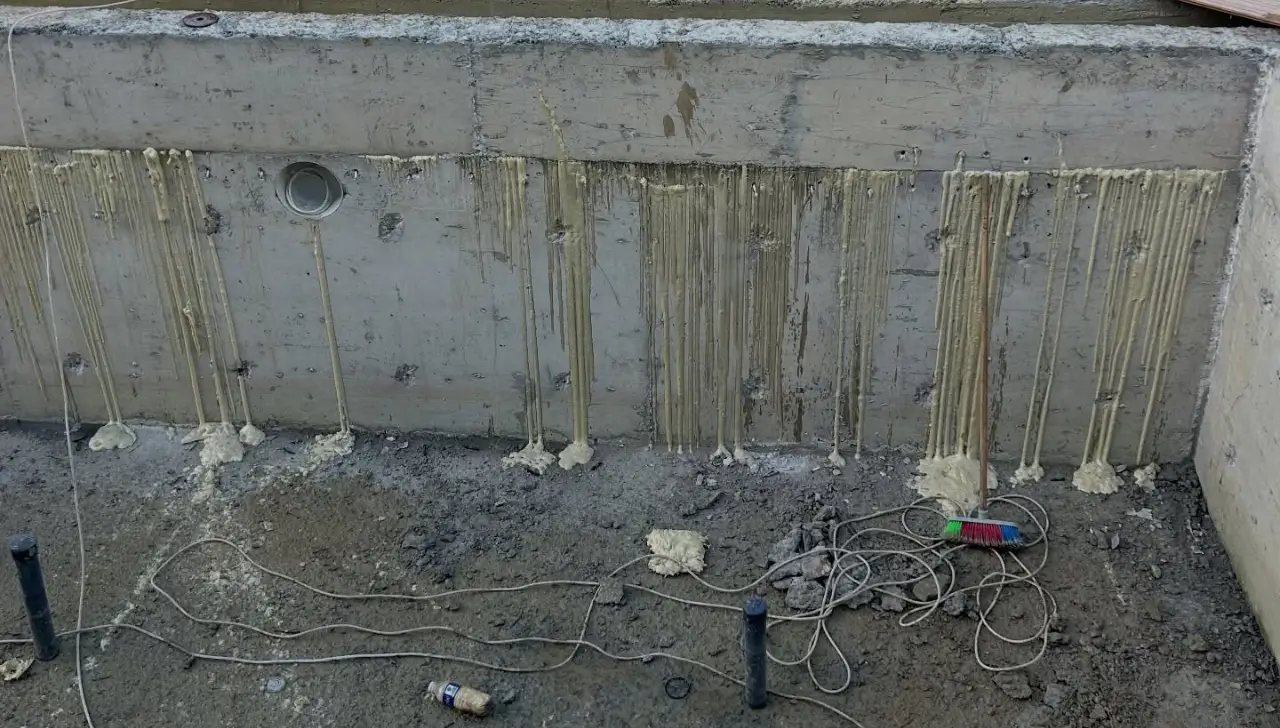
Modern inşaat teknolojileri, öncelikli hedef olarak yapıların ömrünü uzatmayı ve güvenliğini sağlamayı amaçlamaktadır. Suyun yapılara olan aşındırıcı ve yıkıcı etkisi, özellikle yeraltı suyu seviyelerinin yüksek olduğu veya yoğun yağış alan bölgelerde büyük bir sorun teşkil etmektedir. Bu noktada, su sızıntılarını negatif taraftan (suyun geldiği yönün tersinden) durdurabilen, çatlakları kalıcı olarak kapatabilen ve betonarme yapıları güçlendirebilen en etkili izolasyon yöntemlerinden biri olarak poliüretan enjeksiyon sistemi devreye girer. Yüksek basınçlı makineler yardımıyla sıvı halde betona pompalanan bu özel reçine, suyla temas ettiği anda kimyasal bir reaksiyona girerek saniyeler içinde hacminin birçok katına genişler ve esnek, su geçirmez bir köpük oluşturur.
Poliüretan enjeksiyonu sadece geçici bir yama değil, suyun geçtiği kılcal damarlara kadar nüfuz eden yapısal bir tedavi yöntemidir. Aktif su akışının olduğu, geleneksel su yalıtım uygulamalarının yetersiz kaldığı zorlu durumlarda bile kesin sonuçlar vermesi, bu teknolojiyi inşaat ve restorasyon sektöründe vazgeçilmez kılmıştır. Kırma veya yıkım gerektirmemesi, yüksek uygulama hızı ve önemli zaman tasarrufu sağlaması nedeniyle mühendislik projelerinde sıklıkla tercih edilmektedir. Aşağıda, bu yenilikçi ve yüksek performanslı su yalıtım sisteminin en yoğun ve kritik olarak kullanıldığı alanları ayrıntılı olarak inceleyeceğiz.
1. Metro ve Karayolu Tünelleri
Metro ve otoyol tünelleri gibi yer altı ulaşım ağları, inşa edildikleri derinlik nedeniyle sürekli olarak yeraltı suyundan kaynaklanan yoğun hidrostatik basınca maruz kalmaktadır. Bu yapılardaki en ufak bir su kaçağı, yalnızca betonarme yapıların ömrünü kısaltmakla kalmaz, aynı zamanda içerideki elektromekanik sistemlere zarar vererek ciddi güvenlik riskleri de oluşturur. Özellikle aktif trafik akışının olduğu bu alanlarda, sızıntıların hızlı ve kalıcı olarak giderilmesi hayati önem taşımaktadır.
Poliüretan enjeksiyon sistemi, tünel inşaatı ve sonrasındaki bakım süreçlerinde en güvenilir kurtarıcılardan biridir. Tünel segmentleri arasındaki derzlerden, soğuk derzlerden veya zamanla oluşan yapısal çatlaklardan sızan basınçlı su, yüksek basınçlı poliüretan reçine enjeksiyonu sayesinde saniyeler içinde durdurulur. Reçine, su ile reaksiyona girerek tünel çevresindeki tüm boşlukları esnek bir şekilde doldurur ve su girişine karşı mutlak bir bariyer oluşturur.
Tünellerde bu uygulamanın en büyük avantajı, onarım işlemlerinin trafiği veya metro hizmetlerini uzun süre aksatmadan gerçekleştirilebilmesidir. Dışarıdan müdahalenin mümkün olmadığı derin tünel yapılarında, içeriden (negatif taraftan) uygulanabilen poliüretan enjeksiyonu, betondaki donatıları korozyona karşı koruyarak tünelin hizmet ömrünü on yıllarca uzatır.
Create a permanent and high-tech shield against water leaks in your tunnels, dams, parking lots, and reinforced concrete structures with DF PUR INJECTION 2K polyurethane injection waterproofing. This dual-component formula, which rapidly expands and foams the moment it contacts water, completely fills even the thinnest cracks under high pressure, definitively stopping water at its source. Do not leave the durability and safety of your structures to chance with its solvent-free structure, superior adhesive strength, and long-lasting performance.
2. Elevator Pits
Located at the lowest level of buildings, elevator pits are the primary target of groundwater due to their structural nature. Mistakes made in foundation waterproofing or deformations that occur over time cause these deep voids to fill with water. Polyurethane injection is the most ideal method for solving this specific problem for the following reasons:
- Protection of Mechanical Parts: Water leaking into the elevator pit directly damages the elevator's motor, steel cables, rails, and electronic sensors. Polyurethane injection cuts off the water instantly, preventing these expensive systems from rusting and malfunctioning.
- No Need for Breaking or Demolition: In the narrow and difficult-to-work areas of the pit, instead of excavating from the outside or completely breaking the inside, the application is carried out through small holes (via packers) opened only at the leakage points. This saves labor and costs.
- Effectiveness in Active Water Flow: In elevator pits, active water spurting is usually seen rather than slow water seepage. Polyurethane foam captures this pressurized water in seconds, expands, and clogs the hole, providing isolation.
- Permanent Isolation: The resulting flexible polyurethane barrier adapts to micro-movements that may occur during the settling of the building or tremors, ensuring that the insulation continues to function without cracking in the coming years.
3. Underground Parking Lots and Shelters
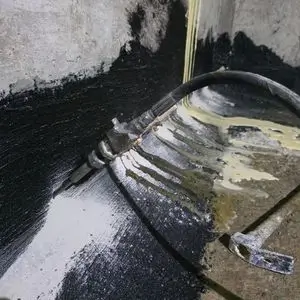
As a necessity of modern urbanization, the underground parking lots and shelters of multi-story buildings are large areas remaining under the ground. These spaces are under the threat of environmental surface waters and rising groundwater levels, especially during rainy seasons. Damage to external membrane waterproofing or application errors leads to humidity, water efflorescence, and pooling on walls and floors over time.
Since the safety of vehicles in underground parking lots and the need for shelters to be dry environments ready for use at any moment are critical, polyurethane injection application has a critical role in these areas. Water coming from cold joints at wall and floor joints or cracks in load-bearing curtain walls is permanently sealed by injecting polyurethane resin. Polyurethane penetrates into the concrete and completely breaks the bond between the external water source and the interior.
The fact that there is no need to completely close the parking lot to use during the application is a great convenience. Only the sections with leaks are repaired with point interventions. Thus, both a clean and dry appearance is obtained aesthetically, and bad odors caused by humidity, mold formation, and the rusting and rotting of iron reinforcement within the reinforced concrete are prevented.
4. Curtain Concrete Cracks
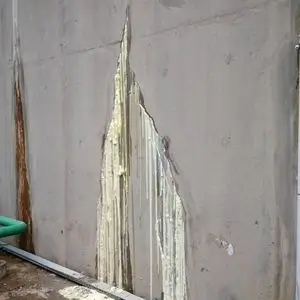
Curtain concrete walls are the main load-bearing systems of underground structures and basements. However, it is inevitable that structural cracks occur in these walls due to the shrinkage of concrete during drying, ground settling, or seismic movements such as earthquakes. A comparison of traditional methods used to stop water leaking from these cracks with the polyurethane injection system clearly shows why this technology is preferred:
| Comparison Criterion | Traditional Methods (Plaster, Coating) | Polyurethane Injection System |
| Intervention Direction | Usually requires deep excavation from the outside (positive side). | Practically applied from the inside (negative side). |
| Water Flow Status | Requires the surface to be completely dry, cannot be applied in active water. | Gives immediate results even in active, pressurized water spurting. |
| Penetration Depth | Stays only on the surface, cannot fill the inner structure of the crack. | Advances and fills to the deepest capillary voids of the crack. |
| Flexibility and Permanence | Cracks again during building movements and leaks water again. | Adapts smoothly to building movements thanks to its high flexibility. |
| Process Time and Cost | Requires excavation, demolition, and a very long labor time. | Applied in minutes, eliminates demolition and casting costs. |
Repairing cracks in curtain concrete with polyurethane injection, in addition to waterproofing, partially supports the structural integrity of the concrete, preventing corrosion at its root.
5. Dams and HPP Projects
Dams and Hydroelectric Power Plants (HPP) are mega-structures that hold massive water masses and resist tremendous hydrostatic pressure. Structural or capillary cracks may form in these massive reinforced concrete bodies over time due to thermal stresses, seismic movements, or the abrasive power of water. Water leaking from the dam body causes both a serious amount of water loss and, over time, can endanger the structural safety of the dam by enlarging the crack along with the speed of the water.
In such massive projects, ordinary insulation materials cannot hold up against high water pressure. Polyurethane injection is one of the rare and strongest technologies capable of stopping high-pressure and high-flow water leaks in dams. By driving special packers into the cracks and injecting with very high-bar pumps, the polyurethane resin overcomes the pressure of tons of water, advances towards the source of the water, and reacts to form a flexible, durable plug.
Polyurethane injection is also actively used in water conveyance tunnels, surge tanks, and foundation waterproofing of power plant buildings in HPP projects. Moreover, since this process can be performed without the need to drain the dam's water or stop the facility's energy production, it offers an invaluable advantage in terms of economy and operational efficiency of the facility.
6. Water Tanks and Treatment Plants
Huge water tanks that meet the drinking water needs of cities and treatment plants where wastewater is cleaned before mixing with nature are structures where sealing is the most critical and sensitive. Cracks occurring in reinforced concrete pools in these facilities can lead to both the waste of clean water and serious environmental disasters by causing dirty water to mix with groundwater sources.
The polyurethane injection system offers the following specific and reliable solutions in the insulation of water tanks and treatment plants:
- Suitability for Drinking Water (Non-toxicity): Some specially formulated polyurethane resins have certification for suitability for contact with drinking water. The foam that completes its reaction does not release any toxic chemicals into the water and does not spoil the natural taste and odor of the water.
- High Chemical Resistance: Treatment plants contain corrosive waters with acidic, basic, or intense chemicals. After hardening, the polyurethane material shows high resistance to chemicals and does not melt, disintegrate, or deteriorate.
- Possibility of External Intervention: It may not always be possible to drain a tank containing tons of liters of water for repair. Polyurethane injection allows the leak to be cut off without draining the water inside and taking the facility out of service by performing it from the outer surface of the tank towards the crack.
Polyurethane injection applied in these areas is a permanent and modern engineering solution that protects public health and the environment, ensuring the uninterrupted operation of the facilities.