


Walls, the cornerstone of our living spaces, are the most important structural elements protecting us from the negative effects of the outside world. However, over time, various problems can arise on our walls due to environmental factors, structural design flaws, the use of low-quality materials, or harsh climate conditions. At the forefront of these problems are humidity, dampness, sweating, paint peeling, and mold formation that ruins aesthetics. Creating a healthy, warm, and peaceful home environment is only possible by getting to the root of such problems and taking permanent measures. Beyond ruining visual and aesthetic beauty, these dampness problems, which invite allergies and respiratory diseases by seriously reducing indoor air quality, are structural threats that should never be ignored. For conscious homeowners searching for an "effective solution for walls," accurately identifying the root source of the problem is the first and most critical step.
It is of great importance to apply long-term and definitive innovative methods against moisture, decay, and damage occurring on walls instead of daily, superficial solutions. Scraping off peeling paint or wiping away mold with chemicals unfortunately does nothing more than mask the problem for a short time, and the problem reappears in the first winter month. To ensure real and lasting relief, a broad and integrated approach must be adopted, ranging from exterior insulation to interior plumbing inspection, from choosing the right type of paint to indoor air conditioning. In this comprehensive guide, we will examine in detail the most fundamental methods that will protect your home's walls for years, extend the life of the structure, and increase your quality of life. Here are 5 effective professional solutions that will solve the problems in your walls from the root and let your home breathe a sigh of relief.
1. Say Goodbye to Moisture with Waterproofing
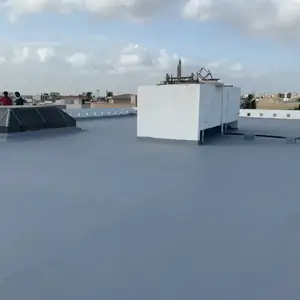
The biggest and most damaging source of moisture problems on walls is usually water from the outside leaking into structural elements. Heavy rain, melting snow, or groundwater rising from the foundation easily leak inside through unprotected surfaces and advance to the inner parts of buildings via capillary paths. Waterproofing (insulation) cuts off these dangerous leaks completely, allowing your building to be covered with an invisible, waterproof shield. Correctly applied and quality-supported waterproofing not only prevents the decay of the building's iron reinforcement but also definitively ends the heavy smell of dampness indoors.
Especially basement floors remaining underground, ground floor facades in contact with the garden, and north-facing walls exposed to constant wind and rain are areas that require extra care in terms of waterproofing. Unless a continuous waterproofing barrier extending from the foundation to the roof is created, water will always find a weak crack to move through. On exterior facades, the resistance of walls to water can be maximized by using water-repellent silicone plasters, bitumen-based flexible membranes, or high-tech polyurethane coatings. This way, your walls remain bone-dry even in the most severe rainy seasons.
In cases where external intervention is physically difficult or impossible (e.g., in adjacent buildings), waterproofing materials applied from the interior (negative side) offer a very effective alternative. Special cement-based crystallized waterproofing mortars react chemically with the moisture inside the wall, filling the microscopic capillary voids in the concrete and stopping the water's progress inward. Whichever method is chosen, ensuring that waterproofing is performed by teams of experts in the field is the most fundamental key to saying goodbye to moisture forever.
Dryfix waterproofing materials, thanks to their high-tech polymer formulas, create an impenetrable shield against water on all types of surfaces, protecting your home from the corrosive effects of moisture and mold. With these flexible and long-lasting solutions that have a wide range of use from terraces to bathrooms, you can always be at peace and your home can always be dry, even in the harshest weather conditions.
2. Prevent Sweating with Thermal Insulation
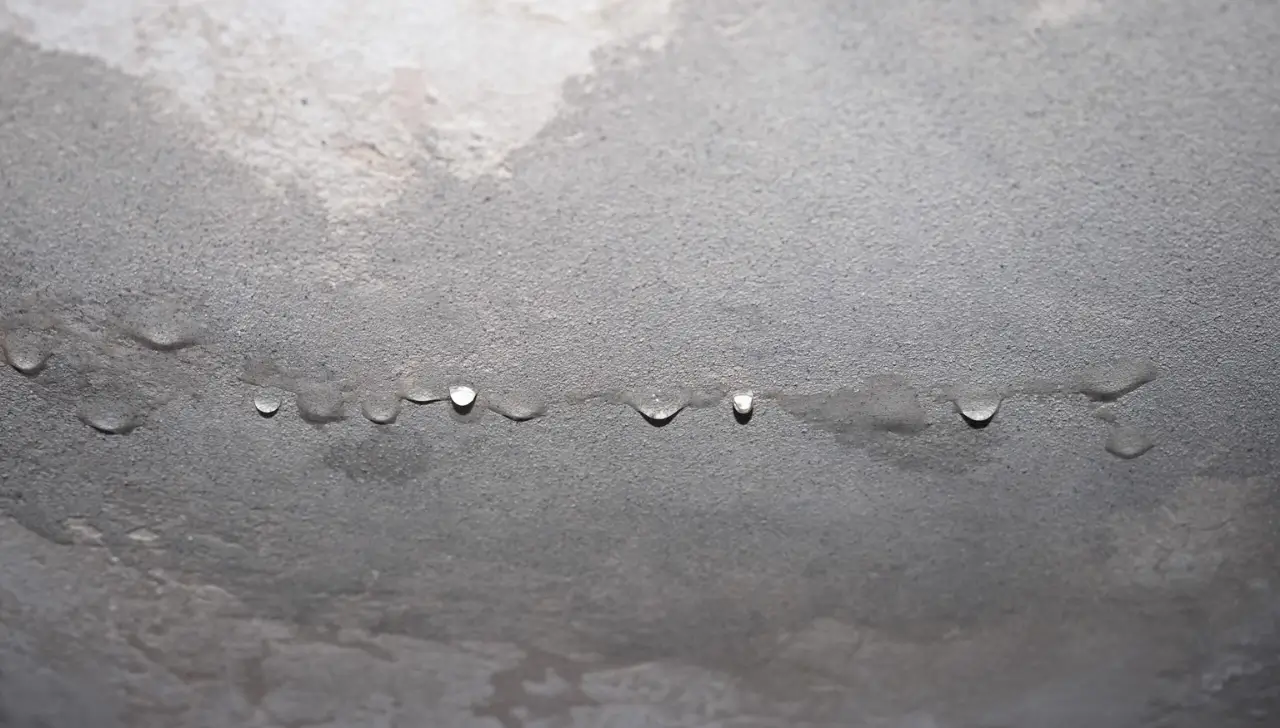
Another major problem frequently encountered in homes, which is often confused with water leakage from the outside and subjected to incorrect interventions, is condensation, known colloquially as "sweating." When we heat our homes in winter, the warm and high-humidity air indoors hits the outer wall surfaces or windows that are ice-cold due to the effect of the freezing cold outside. As soon as the warm air comes into contact with this cold surface, it suddenly cools down, and the water vapor inside turns into liquid, forming dense water droplets on the walls. This physical reaction occurs on the same principle as the water accumulating on a cold bottle taken out of the refrigerator. The only and most permanent way to prevent condensation and the resulting black mold staining is to have the building professionally thermally insulated (cladding).
Thermal insulation prevents freezing cold outside air from passing through the wall and cooling the inner surface by creating a physical barrier. Walls covered from the outside with high-standard, thick insulation boards such as EPS, XPS, or non-combustible rock wool manage to remain at almost the same level as the indoor temperature. Thus, when the warm air in the room hits the wall, there is no sudden temperature difference (thermal bridge), and the phenomenon of sweating becomes physically impossible. Furthermore, thermal insulation does not only prevent sweating on walls and protect paint; it also provides very serious energy savings of up to 50% on your natural gas bills in winter and air conditioning bills in summer. This method, which protects both the structural health of your building and contributes directly to your family budget, is an indispensable investment for long-lasting and healthy walls.
3. Balance Indoor Air with Dehumidifiers
Even if there is no water leakage from the outside or a lack of facade insulation in buildings, our daily life activities alone cause the production of a huge amount of water vapor inside the house. Cooking, taking hot baths, drying laundry inside, ironing, and even just breathing rapidly increase the humidity level in the environment. In places that remain stuffy during cold winter days or are not sufficiently ventilated by opening windows, this excess moisture hangs in the air and gradually permeates furniture, curtains, and walls. At this point, to pull the relative humidity in the environment to ideal and healthy levels, dehumidifiers, which are a technological and practical solution, come into play. These devices pull the air in the environment into themselves, condense the excess water, and collect it in a reservoir, thereby maintaining the humidity balance of the environment and eliminating the damp floor required for mold spores to breed.
| Relative Humidity (%) | Effects on Human Health | Effects on Walls and Furniture at Home |
| 0% - 30% (Very Low) | Skin dryness, throat and eye irritation, difficulty breathing | Cracking in wooden furniture, parquet separations, dusting |
| 40% - 60% (Ideal) | Comfortable breathing, high sleep quality, freshness | Safest, ideal range for paint, walls, and furniture |
| 65% - 80% (High) | Constant feeling of sweating, asthma trigger, chronic fatigue | Mild dampness on walls, heavy odors on fabrics |
| 80% - 100% (Very High) | Allergic reactions, immune problems, rheumatic pains | Rapid mold and fungus formation, paint peeling, decay |
As clearly seen in the table, maintaining the ideal humidity range indoors is essential both to preserve structural integrity and to ensure the health of family members. By using portable dehumidifiers, especially in winter months, in rooms where laundry is dried, or in bathrooms with poor ventilation windows, you can keep the air constantly fresh, dry, and clean.
4. Use Anti-Mold and Moisture-Resistant Paints
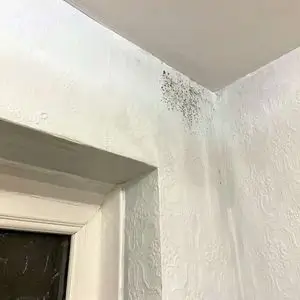
After detecting and solving structural problems and completing the necessary insulation processes, the type of paint you choose as the final layer to be applied to the walls is of great importance for the long-term health of the walls. Classic plastic or standard acrylic interior paints are very susceptible to blistering, cracking, peeling, and hosting harmful fungi (mold) on their surfaces in environments exposed to intense moisture. For this reason, especially in high-risk areas such as bathrooms, kitchens, poorly ventilated basements, and north-facing rooms that do not receive sunlight, special anti-bacterial, anti-mold (containing fungicide), and extra moisture-resistant paints must be preferred. These technological paints prevent microorganisms from attaching to the wall surface and forming colonies thanks to the special chemicals they contain.
We can list the prominent features of moisture-resistant and anti-mold smart paints and the benefits they will provide to your home in detail as follows:
- High Breathability: Thanks to their special micro-porous structure, they allow the moisture trapped inside the wall to evaporate and be expelled while preventing water coming from the outside from getting in.
- Biocidal and Fungicide Protection: Thanks to the active chemical components (biocides) in their formula, they block the reproduction of black spots that trigger asthma, fungi, and bacteria on the wall surface at a cellular level.
- Superior Washability and Wipeability: Thanks to their strong binder structures that are resistant to water and moisture, when they get dirty, their surfaces can be wiped many times with a wet cloth or mild detergent without their colors fading or being damaged.
- Elastic and Crack-Bridging Structure: It prevents the formation of microscopic capillary cracks by flexing with the wall during seasonal temperature changes or when the building settles, and stops water from leaking through these fine cracks.
The most critical point to pay attention to before applying these special paints is to ensure that the surface is completely dry. Additionally, if there are existing molds that have formed previously on the wall surface, these fungi must be cleaned from the root and the surface purified using diluted bleach or special mold-cleaning sprays before the painting process.
Developed with a special polymer formula, the new generation Dryfix NM-S-10 creates an impenetrable, strong protection layer against dampness and moisture on your walls. It can be safely applied to all wet or damp surfaces in interior and exterior spaces, even ceilings, and definitively prevents annoying mold and dampness problems from the root. With this innovative paint designed to protect the air and structural health of your living spaces, you can finally put a definitive and permanent end to the moisture nightmare.
5. Detect and Repair Plumbing and Roof Leaks
Sometimes, the cause of moisture, peeling, and damage on walls is neither rain from the outside nor a lack of ventilation inside; the problem may stem entirely from the structure's own hidden internal dynamics and plumbing faults. A small crack in clean water pipes passing right through the walls or under the screed, a leak in sewage pipes, or a faucet gasket that has loosened over time can leak drop by drop without being noticed for weeks or even months. Similarly, a tile broken during a storm on the roof, a torn insulation membrane, or a rain gutter clogged with autumn leaves causes water to seep into the reinforced concrete structure and leave yellowish, brownish ugly stains at the junction of ceilings and walls on the floors below. In such cases, no matter how high-quality paint you apply to the walls or how much insulation you do from the outside, the same problem will reappear again and again within a few weeks unless you cut off the source of the water inside.
Fortunately, in today's technology, there is no need to break all the walls, remove tiles, or turn the house into a construction site to detect such hidden leaks as in the past. Professional plumbing companies can detect the center of the water leak with millimetric precision without breaking anywhere by using infrared thermal cameras, sensitive acoustic listening devices, endoscopic cameras, and digital moisture meters. If you have a damp stain that you suspect, is constantly growing, or smells bad, you should immediately have a leak detection performed without breaking using technological devices and have the faulty pipe repaired with a point intervention in a small area of just a single tile. On roofs, covering checks should be carried out regularly before winter months arrive, and gutters and channels should be cleaned of accumulated debris. Regular plumbing and roof maintenance is the most definitive, practical, and economical way to eliminate insidious dangers that rot your walls from the inside out and threaten your health.