


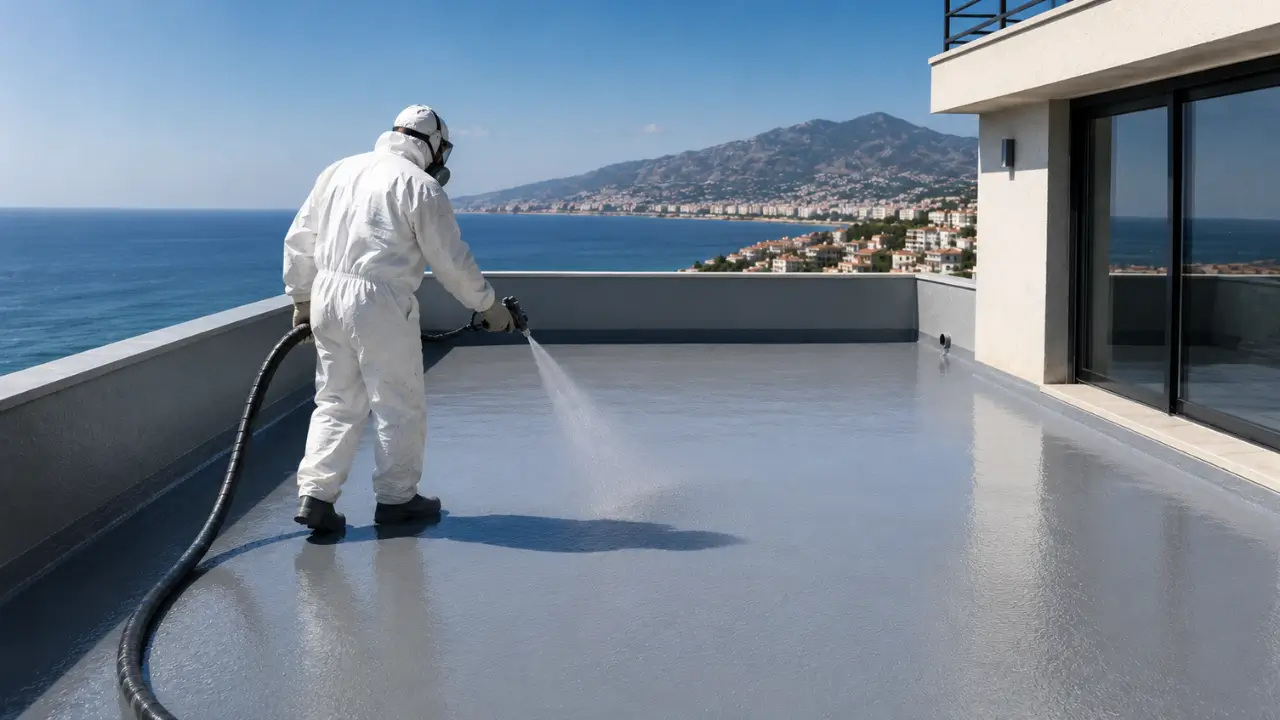
Polyurea coatings have revolutionized the waterproofing industry due to their incredible durability, rapid curing times, and chemical resistance. When applied correctly, these advanced elastomeric membranes provide a seamless, long-lasting barrier that outlasts traditional alternatives by decades. However, achieving this flawless finish requires strict adherence to technical application protocols. Minor oversights during preparation, mixing, or spraying phases can lead to catastrophic coating failures, compromising structural integrity. From blistering to improper curing, these errors are costly to repair. In this comprehensive guide, we explore the most common polyurea application mistakes and provide actionable strategies to avoid them completely.
Inadequate Surface Preparation
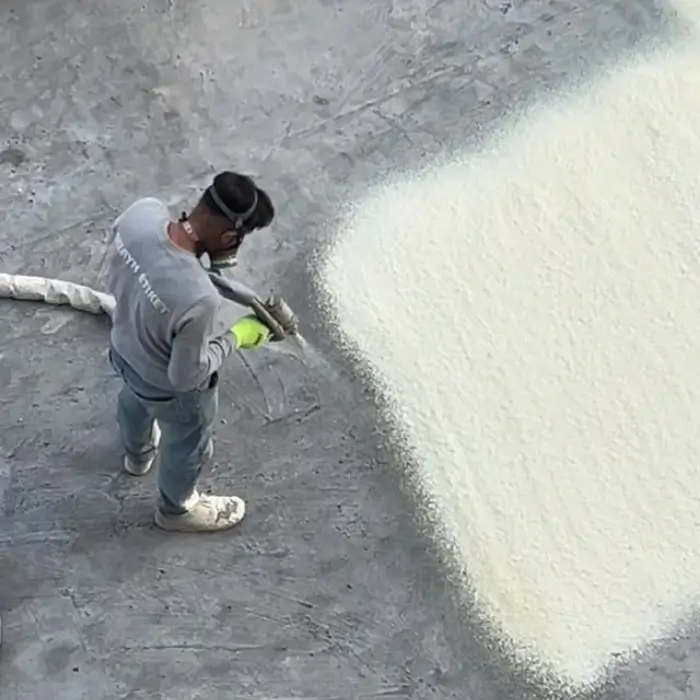
A frequent and detrimental mistake in polyurea application is inadequate surface preparation. Polyurea cures incredibly fast, meaning it lacks the time to penetrate deeply into substrates like slower-curing coatings do. Therefore, it relies entirely on a mechanically profiled and thoroughly clean surface to achieve optimal mechanical adhesion. If the concrete or metal substrate remains contaminated with dust, oil, moisture, or old paint, the polyurea will simply bond to the debris rather than the structural surface. This inevitably leads to severe delamination, bubbling, and massive coating failure shortly after the spray application process is finished.
To avoid this catastrophic failure, contractors must invest adequate time into proper surface profiling. Here are the essential preparation steps required for success:
- Concrete Grinding: Mechanically profile the concrete to open the pores fully.
- Moisture Testing: Ensure substrate moisture remains below acceptable maximum thresholds.
- Thorough Cleaning: Use industrial vacuums to remove all residual dust completely.
- Degreasing: Chemically clean any oil or grease spots entirely before starting. Following these rigorous steps guarantees that the substrate provides the ideal anchor profile, allowing the polyurea membrane to bond permanently and perform its waterproofing duties safely without peeling.
Ignoring Environmental Conditions (Temperature and Humidity)
Environmental factors play a critical role in the chemical reaction of polyurea systems, yet many applicators dangerously ignore temperature and humidity levels. High ambient humidity or elevated moisture in the substrate can react prematurely with the isocyanate component before it properly crosslinks. This unwanted secondary reaction generates carbon dioxide gas, which gets trapped beneath the rapidly curing membrane. The result is a surface plagued by pinholes, blisters, and structural voids that compromise waterproofing integrity. Furthermore, applying the coating in freezing temperatures without adjusting material heaters drastically alters the intended chemical viscosity and material flow.
Preventing environment-induced failures requires constant monitoring and strict control before and during the spraying operation. Applicators must use digital hygrometers and infrared thermometers to track ambient humidity, air temperature, and the exact surface temperature of the substrate. The substrate temperature must always remain at least three degrees above the current dew point to prevent invisible condensation from forming. If humidity levels are excessively high, contractors must employ heavy-duty dehumidifiers or reschedule the application entirely. Adhering to these environmental boundaries ensures the polyurea cures flawlessly, maintaining its robust physical properties and creating a seamless protective barrier.
Incorrect Equipment Calibration and Maintenance
Polyurea is a complex plural-component system requiring highly specialized, high-pressure proportioner machines to process the chemicals correctly. A major mistake inexperienced contractors make is operating this sensitive equipment without proper calibration or routine maintenance. If internal heaters, heated hoses, or pressure gauges malfunction, chemicals will not reach the exact temperature and pressure required for optimal atomization at the spray gun. When the A and B components are sprayed cold or at fluctuating pressures, the resulting membrane suffers from poor mixing. This mechanical failure leads to soft spots, sticky areas, or a fundamentally weakened final coating layer.
Maintaining and calibrating your plural-component spray equipment is non-negotiable for achieving a durable, high-quality polyurea finish. Contractors must meticulously inspect the proportioner machine, clean the spray gun chamber, and replace worn-out O-rings before starting any project. Primary heaters and hose temperatures must be dialed in precisely according to the manufacturer's technical data sheet to ensure materials flow effortlessly. Regular pressure checks should be conducted to confirm both sides dispense equally under high pressure. By prioritizing rigorous equipment maintenance, applicators eliminate mechanical variables, guaranteeing a perfectly reacted and structurally sound protective membrane every single time they spray.
Improper Mixing Ratios of Components A and B
The remarkable properties of polyurea rely entirely on a precise one-to-one volumetric chemical reaction between the isocyanate and the amine resin blend. Improper mixing ratios occur when there is a severe imbalance in the volume of materials being dispensed through the spray gun. This fatal error is often caused by clogged filters, trapped air in material lines, or failing transfer pumps that cannot supply the proportioner fast enough. When the ratio deviates from the perfect balance, the chemical reaction remains incomplete, resulting in a defective membrane that is either brittle, dangerously sticky, or completely uncured.
To prevent off-ratio spraying, applicators must remain hyper-vigilant and continuously monitor their proportioner gauges throughout the entire application process. Pressure differentials between the A and B sides should never exceed acceptable limits, as a sudden pressure drop is the first warning sign of a ratio imbalance. Before spraying on the actual substrate, always perform a test spray onto cardboard to check the curing time, color consistency, and physical tackiness of the sprayed material. If the test patch exhibits a tacky surface or uneven coloring, operations must halt immediately to troubleshoot the pressure lines and correctly adjust the ratio.
Skipping the Primer Application
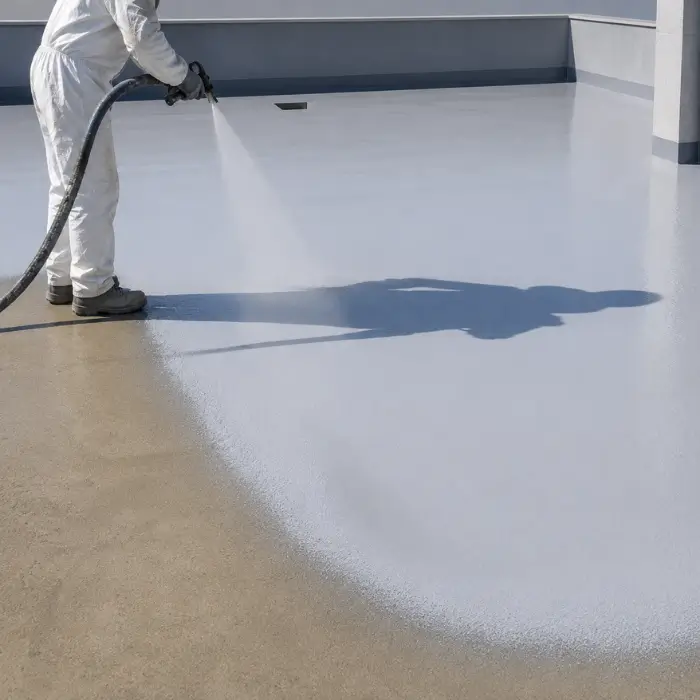
Many applicators attempt to cut costs and save time by completely skipping the primer application, mistakenly believing that polyurea’s rapid cure time guarantees perfect adhesion to any surface. This is a severe misconception that inevitably leads to massive coating failures, especially on porous substrates like concrete or wood. Without a high-quality epoxy or polyurethane primer, trapped air within the concrete pores attempts to escape as the polyurea exotherms and heats up the surface. This outgassing process creates devastating pinholes and surface blisters, rendering the entire system highly vulnerable to future water infiltration and damage.
Applying a dedicated primer is an indispensable step that seals the porous substrate, drastically enhances mechanical adhesion, and significantly reduces the risk of outgassing defects. The primer deeply penetrates the prepared concrete, locking in residual air and moisture while providing a chemically compatible anchor layer for the hot-sprayed polyurea. Depending on environmental conditions and substrate type, contractors must select a suitable moisture-mitigating or fast-curing epoxy primer. Allowing the primer to cure to a slightly tacky state before applying the topcoat ensures maximum bond strength, resulting in a flawless, monolithic waterproofing membrane that easily withstands heavy structural stress.
Inconsistent Coating Thickness
Spraying polyurea requires a skilled hand and exceptional spatial awareness, and failing to maintain a consistent coating thickness is a widespread issue among novice applicators. An uneven application typically occurs when the spray gun is held at varying distances from the substrate or moved at an inconsistent speed. Thin spots in the membrane are highly susceptible to premature wear, tearing, and mechanical failure. Conversely, excessively thick areas can induce extreme curing stress, leading to immediate cracking or delamination. Inconsistent thickness fundamentally compromises the uniform protective capabilities of the entire waterproofing system over its operational lifespan.
Mastering the spraying technique is vital to achieving a uniform and structurally reliable polyurea membrane across the entire project surface. Applicators must utilize wet film thickness (WFT) gauges continuously during the spraying process to verify they are hitting the exact mil thickness specified by project requirements. Using a cross-hatching spray method—spraying horizontally first and then vertically over the same area—guarantees overlapping coverage and eliminates dangerous thin spots. By maintaining a steady arm speed, keeping the gun perpendicular to the surface, and regularly measuring the thickness, contractors confidently deliver a perfectly even, heavy-duty coating that performs flawlessly.
How to Choose the Right Polyurea System for Your Project
Selecting the appropriate formulation is just as critical as the application itself. The market offers pure, cold, and hybrid systems, each engineered for vastly different environments. Pure polyurea provides the highest performance, boasting extreme elasticity and the ability to cure perfectly in high-moisture environments. Hybrid polyurea blends polyurethane, making it cost-effective but highly sensitive to ambient humidity, which easily causes blistering if applied in damp conditions. Cold polyurea is applied manually for smaller repairs but lacks extreme durability. Making the wrong product choice inevitably sets the stage for catastrophic application errors and premature coating failure in the field.
Utilizing a budget-friendly hybrid system in a highly humid environment will inevitably lead to massive outgassing, poor adhesion, and structural blistering due to its inherent moisture sensitivity. To guarantee ultimate protection and bypass the headaches of inferior materials, professionals must trust the proven reliability of industry-leading formulations. With Dryfix Polyurea Waterproofing products, you get uncompromised strength, flawless seamless application, and exceptional resistance against the harshest weather conditions imaginable. Do not let cheap, mismatched alternatives ruin your next major structural investment. Upgrade your standards, seal out moisture permanently, and ensure absolute durability. Choose Dryfix today! "Dryfix Polyurea Waterproofing: The Ultimate Shield for a Leak-Proof Future!"