


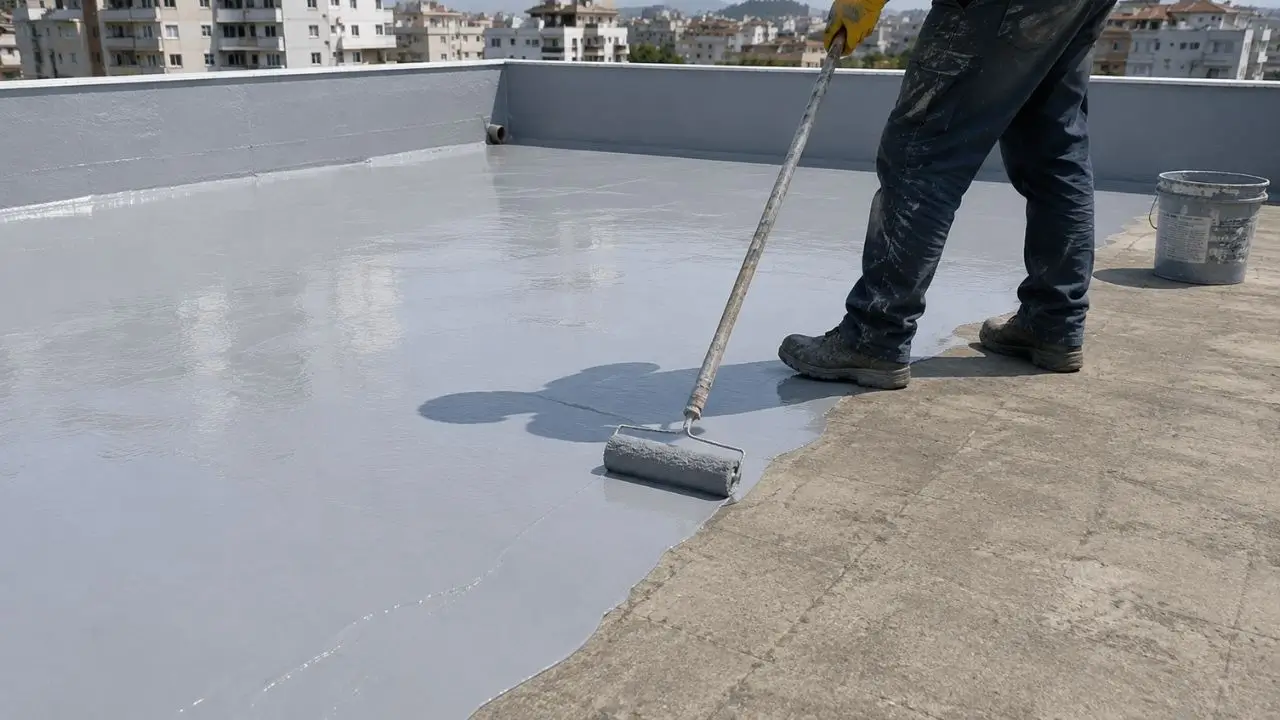
Protecting structures from water ingress is one of the most critical challenges in modern construction and building maintenance. Without a reliable barrier, moisture can penetrate concrete and masonry, leading to severe structural damage, mold growth, and costly repairs over time. Liquid-applied polyurethane waterproofing systems have emerged as an industry-leading solution to combat these issues. Unlike traditional sheet membranes, polyurethane forms a seamless, continuous layer that adapts to complex geometries and challenging architectural features. This advanced chemical formulation provides exceptional flexibility and strength, ensuring that buildings remain fully protected even under harsh environmental conditions. The ease of application and long-lasting performance make it a highly preferred choice for contractors worldwide.
As urban infrastructure continues to evolve, the demand for high-performance waterproofing materials has skyrocketed. Polyurethane coatings stand out because they cure to form a tough, elastomeric membrane capable of bridging cracks and withstanding dynamic structural movements. Whether applied to flat roofs, balconies, deep foundations, or concrete retaining walls, these liquid systems offer unparalleled reliability. By understanding the core chemical properties, precise application techniques, and standard maintenance requirements of these systems, property owners and construction professionals can make informed structural decisions. This comprehensive guide explores everything you need to know about liquid-applied polyurethane waterproofing, detailing its benefits, application methods, and overall value.
What Are Liquid-Applied Polyurethane Systems?
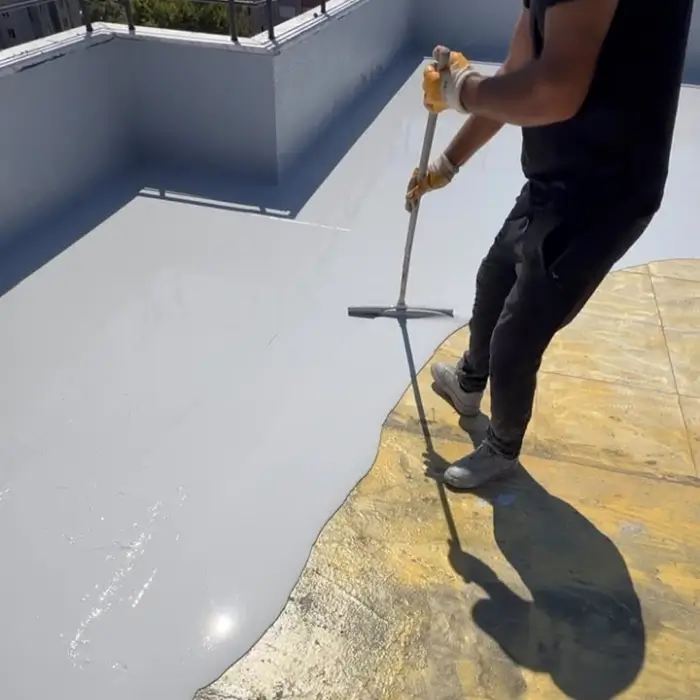
Liquid-applied polyurethane waterproofing is a specialized protective coating designed to prevent water penetration in commercial, industrial, and residential structures. The system relies on advanced polyurethane elastomeric resins, which are typically applied as a liquid using rollers, brushes, or airless spray equipment. Upon exposure to ambient atmospheric moisture or through a chemical reaction with a curing agent, the liquid transforms into a highly flexible, fully adhered solid membrane. This completely seamless nature eliminates the serious risk of water tracking under the surface, a common failure point in traditional jointed sheet systems. The chemical composition allows the material to retain elastic properties perfectly.
The immense versatility of polyurethane stems from its unique polymer structure, combining both hard and soft structural segments. This dual nature provides the cured coating with remarkable mechanical strength alongside exceptional physical elasticity. When a building settles or experiences normal thermal expansion and contraction, the cured membrane stretches and recovers without tearing. Most premium systems are specially formulated to be UV-resistant, preventing rapid degradation when exposed to direct sunlight over prolonged periods. Additionally, these resilient systems can be customized with various specialized primers and protective topcoats to suit specific substrate requirements, ensuring optimal adhesion and maximum longevity for complex construction projects worldwide.
Key Advantages Over Traditional Waterproofing Methods
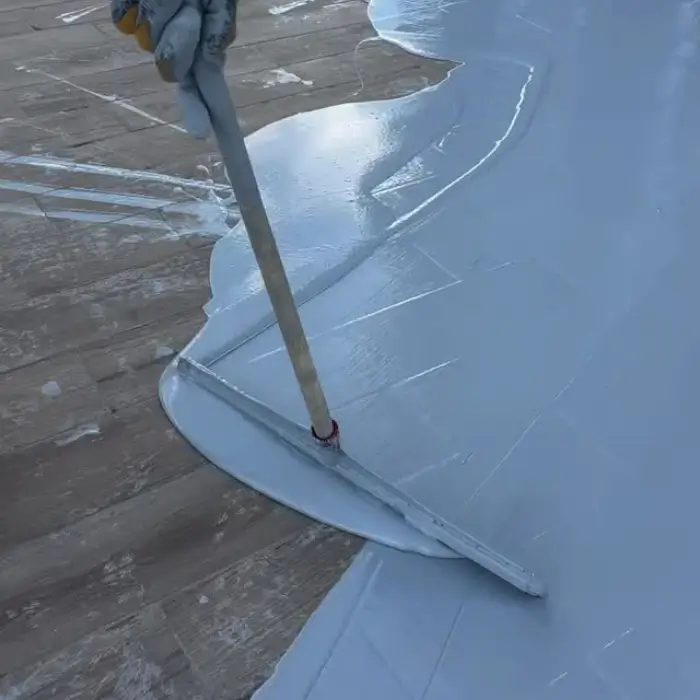
Traditional waterproofing methods, such as bituminous sheets or cementitious coatings, often struggle significantly with complex detailing and joint vulnerabilities. In strict contrast, liquid-applied polyurethane provides a truly monolithic, completely seamless protective finish. Because it is applied as a fluid, it easily conforms to irregular surfaces, mechanical penetrations, upstands, and intricate roof layouts without the tedious need for cutting, folding, or heat welding. This seamless integration drastically reduces the likelihood of critical installation errors and entirely eliminates the overlapping seams where water most frequently infiltrates. Furthermore, the exceptionally strong adhesive properties of polyurethane ensure a tenacious, permanent bond to diverse structural substrates.
Beyond unparalleled ease of application on complex architectural geometries, these advanced polyurethane systems offer superior physical properties that traditional alternatives simply cannot match. The fully cured elastomeric membrane possesses exceptional high tensile strength and tear resistance, making it highly resilient against heavy foot traffic, structural shifting, and mechanical stress. It also provides excellent natural resistance to standing water, atmospheric chemicals, freezing conditions, and extreme thermal fluctuations. Unlike older asphalt-based products that can easily become brittle over time, polyurethane maintains its structural flexibility for decades. The following list outlines exactly why modern contractors and architects increasingly prefer liquid polyurethane materials over older conventional technologies.
- Seamless Application: Eliminates highly vulnerable joints and overlapping seams, significantly reducing the risk of active water leaks.
- Crack-Bridging Ability: Maintains crucial elasticity at extremely low temperatures, seamlessly accommodating dynamic structural movements without breaking.
- Vapor Breathability: Allows trapped moisture vapor to safely escape from the substrate, actively preventing internal blistering and delamination.
- Weather Resistance: Withstands harsh ultraviolet radiation, torrential rainfall, and prolonged, continuous exposure to damaging standing water pools.
Common Applications and Industry Use Cases
The highly adaptable nature of liquid polyurethane waterproofing makes it incredibly suitable for a vast array of demanding construction and structural renovation applications. One of the most prominent industrial uses is in flat roof waterproofing, where persistent standing water and constant sun exposure demand a highly durable solution. It is equally effective for open balconies, outdoor terraces, and elevated podium decks, often serving as a reliable waterproof layer beneath decorative tiles or green roofing systems. In below-grade environments, such as deep basements and heavy retaining walls, polyurethane provides an impenetrable, continuous barrier against severe hydrostatic pressure and corrosive soil moisture.
In addition to standard commercial and residential buildings, these robust protective systems are heavily utilized in demanding industrial and large-scale civil engineering projects. Massive water treatment plants, highway bridge decks, vehicular parking garages, and concrete sports stadiums frequently rely on polyurethane coatings due to their high mechanical wear resistance. Furthermore, the extremely fast-curing nature of many advanced liquid-applied systems drastically minimizes facility downtime, which is a strictly crucial logistical factor for active operational businesses requiring continuous workflow. The detailed table below illustrates some of the most frequent structural application areas and the specific functional benefits polyurethane directly provides in each distinct environment.
| Application Area | Primary Environmental Challenge | Specific Polyurethane Benefit |
| Exposed Flat Roofs | Direct UV radiation and stagnant standing water | High UV stability and seamless monolithic protection |
| Balconies & Terraces | Heavy pedestrian foot traffic and shifting tiles | Excellent abrasion resistance and flexibility under heavy loads |
| Sub-Grade Foundations | Corrosive soil moisture and intense hydrostatic pressure | Strong substrate adhesion and complete moisture blockage |
| Vehicular Parking Decks | Heavy vehicle loads and harsh automotive chemicals | Superior chemical resistance and high mechanical load tolerance |
Surface Preparation and Installation Guidelines
The ultimate success and long-term structural durability of any liquid-applied polyurethane waterproofing system depend almost entirely on meticulous, uncompromising surface preparation. Even the absolute highest quality elastomeric membrane will inevitably fail if applied to a poorly prepared, heavily contaminated, or structurally unsound substrate. Before any specialized primer or liquid coating is actively introduced, the entire surface area must be thoroughly cleaned to remove accumulated dirt, residual oils, grease, old curing compounds, and friable materials. Mechanical preparation methods, such as heavy-duty diamond grinding, aggressive scarifying, or high-pressure water jetting, are frequently required to open the concrete pores and create an adequate surface profile.
Once the structural substrate is properly cleaned and mechanically profiled, rigorous internal moisture testing becomes absolutely critical before proceeding further. Most standard polyurethane systems require a completely dry surface, usually with an internal moisture content remaining strictly below four percent, to prevent surface blistering during the chemical curing process. If the concrete holds excessive residual moisture, specialized epoxy-based moisture mitigation primers must be actively utilized to properly seal the concrete substrate. After successful priming, all active structural cracks, expansion joints, and critical angular transitions should be carefully detailed using compatible polyurethane sealants and reinforcing geo-textile fabrics to ensure maximum structural protection.
Maintenance and Long-Term Durability
One of the most significant commercial appeals of liquid-applied polyurethane waterproofing is its remarkably low maintenance requirements over its incredibly extended operational lifespan. When properly installed over a meticulously prepared structural substrate, these resilient elastomeric systems can easily last for twenty-five years or more without requiring major overhauls. However, achieving this maximum guaranteed longevity inherently requires a proactive and highly consistent building maintenance protocol from property managers. Facility managers should routinely conduct thorough visual inspections, ideally scheduled twice a year and immediately following exceptionally severe weather events, to easily identify minor surface issues before they evolve into widespread moisture ingress problems.
If localized physical damage does actually occur, modern polyurethane systems offer a distinct and highly practical structural advantage: they are incredibly easy to permanently repair. Because the original coating is a chemically reactive liquid-applied resin, a damaged or accidentally punctured section can simply be cleaned, lightly mechanically abraded, appropriately re-primed, and coated with fresh material. The newly applied liquid seamlessly chemically bonds directly to the existing cured membrane, completely restoring the continuous waterproof barrier without demanding extensive tear-offs. To further extend the system's operational life, a fresh protective topcoat can simply be periodically applied every ten to fifteen years.
Demand the highest standard of durability by choosing Dryfix polyurethane waterproofing products for your next project. Our advanced liquid-applied technology seals every vulnerability against harsh weather and persistent moisture. Contact our sales team now to safeguard your investment with industry-leading reliability.