


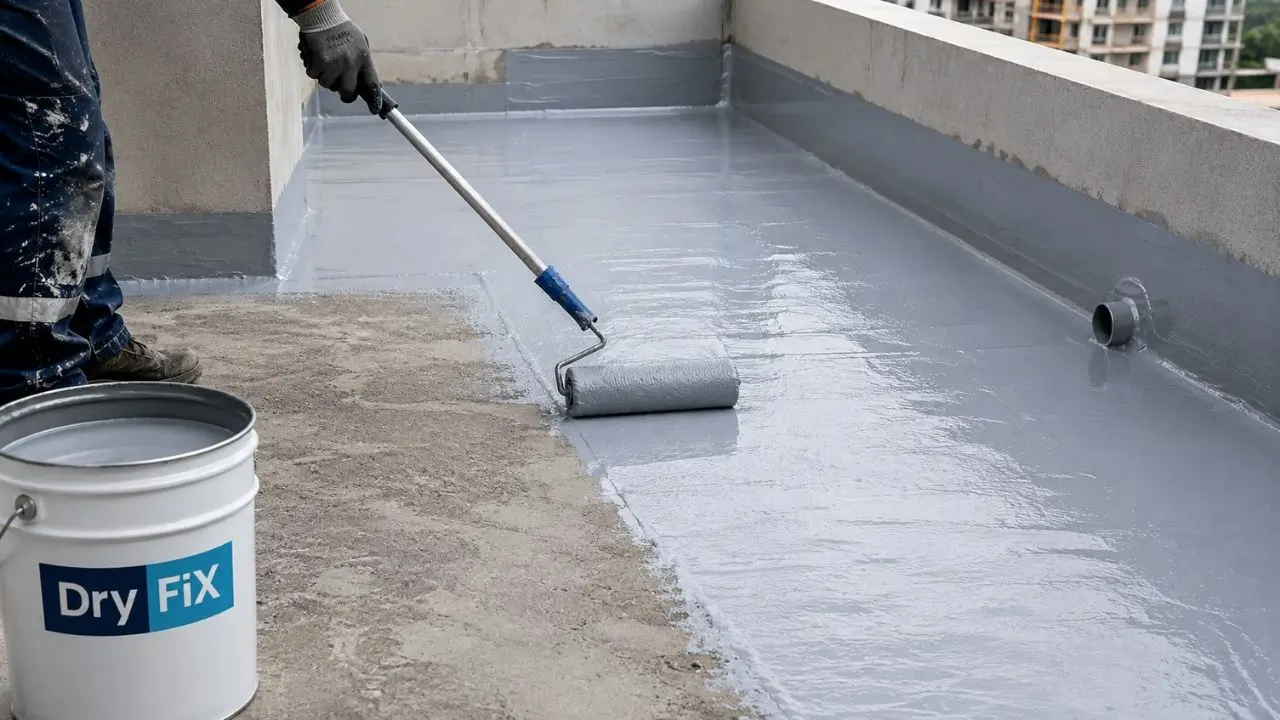
Water damage is a massive threat to modern building infrastructure, compromising structural integrity and causing immensely expensive repairs. Property owners constantly search for robust solutions to protect investments from the relentless forces of nature. Among the myriad of protective barriers available today, polyurethane waterproofing stands out as a highly effective, flexible, and deeply reliable choice. Whether applied to a sprawling commercial flat roof, a residential balcony, or an underground foundation, this specialized membrane provides seamless defense against moisture intrusion. Understanding the specific characteristics, application methods, and long-term performance of this chemical compound is essential for securing a building's envelope and preventing disastrous water-related degradation over the coming decades.
Investing in a high-quality protective coating immediately raises a fundamental question: exactly how long can you expect this barrier to last before requiring major repairs? Predicting the lifespan of any building material depends on a complex interplay of environmental conditions, application expertise, and ongoing maintenance routines. While some temporary fixes might only buy a couple of years, polyurethane systems are engineered for the long haul, often outlasting traditional alternatives significantly. This comprehensive guide will explore the precise longevity of these advanced coatings, breaking down the chemical resilience of the material, the external factors that dictate its durability, and the practical steps you can take to maximize this critical investment.
What is Polyurethane Waterproofing?
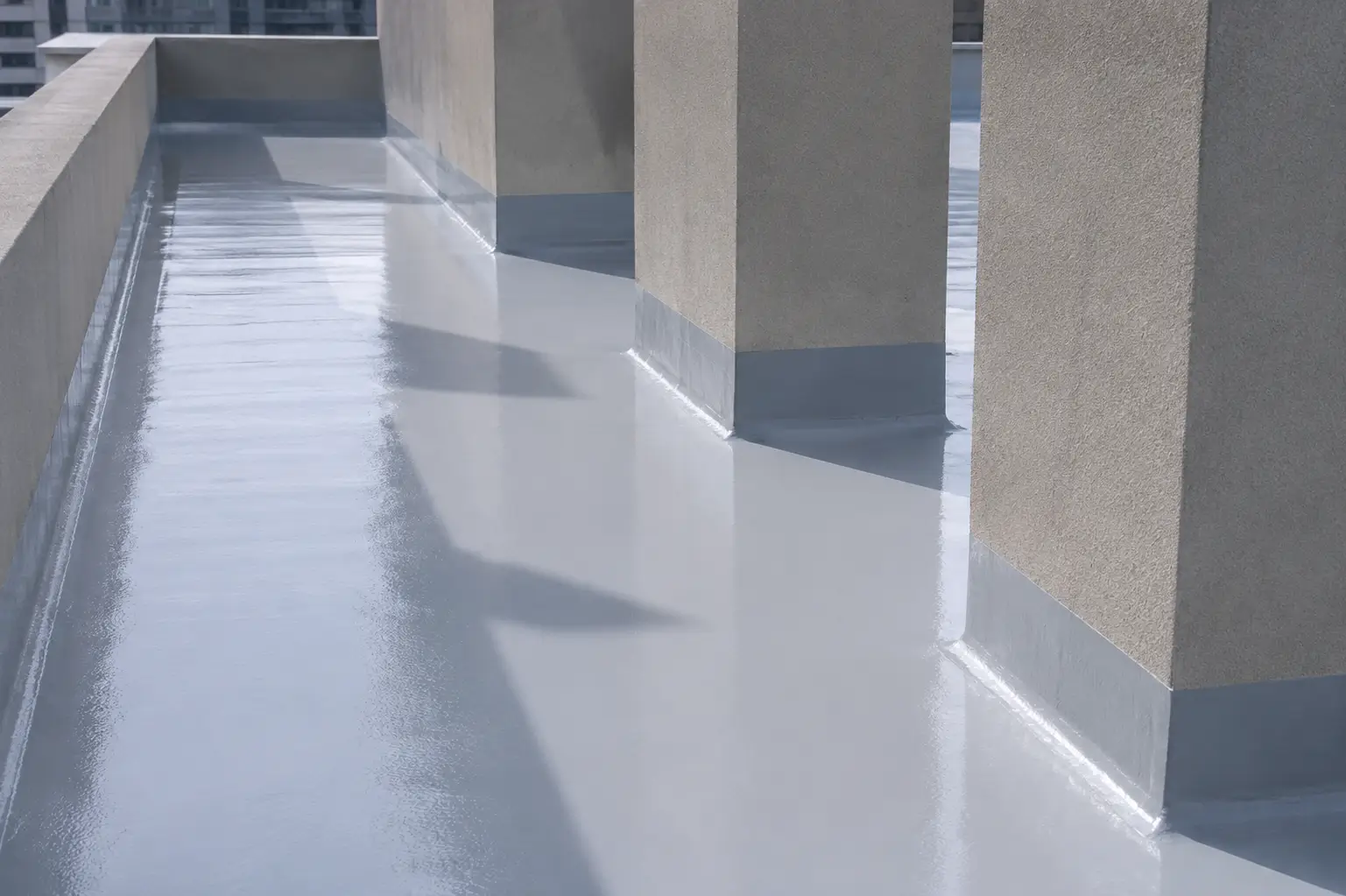
Polyurethane waterproofing is an advanced, liquid-applied coating system that cures to form a highly elastic, seamless, and impenetrable rubber-like membrane over structural surfaces. Chemically, it is a polymer composed of organic units joined by urethane links, combining the toughness of rigid plastics with the flexibility of natural rubber. When this liquid compound is rolled or sprayed onto a prepared substrate like concrete, it undergoes a chemical cross-linking reaction as it dries. This transformative curing process creates a monolithic barrier free of vulnerable joints, seams, or overlapping edges where water typically sneaks through. This continuous nature makes the system fundamentally reliable for roofs, terraces, and retaining walls exposed to moisture.
One of the most remarkable defining traits of this highly specialized membrane is its extraordinary capacity to successfully bridge structural cracks and accommodate significant building movement without ever tearing. Because concrete structures naturally expand during scorching summer heat and rigorously contract in freezing winter temperatures, a rigid waterproofing layer would quickly fracture and fail. Polyurethane easily stretches and recovers, moving entirely in harmony with the shifting architecture.
- Seamless Application: Eliminates vulnerable physical joints where water leaks typically originate.
- High Elasticity: Stretches up to five hundred percent of its size without breaking.
- Chemical Resistance: Defends against industrial oils and harsh environmental pollutants.
- Vapor Permeability: Allows trapped internal substrate moisture to safely escape outward.
Average Lifespan of Polyurethane Coatings
When properly applied by certified professionals and maintained according to strict industry standards, a high-quality polyurethane waterproofing membrane boasts an impressive average lifespan ranging from ten to twenty-five years. This fifteen-year variable exists strictly because not all chemical formulations are identically manufactured, and not all application environments present the exact same daily physical wear. For instance, a heavy-duty aliphatic polyurethane system installed on a busy pedestrian walkway faces vastly different stresses than an aromatic base coat sealed beneath a green roof. Generally speaking, commercial-grade installations that receive adequate topcoat protection against environmental stressors comfortably surpass the fifteen-year longevity mark. This multi-decade durability makes the initial premium material cost highly economical over the building's entire lifecycle.
Even the most scientifically advanced polymers will eventually begin to show their natural age as they endure years of continuous atmospheric exposure and daily mechanical stress. Toward the latter half of its expected functional lifespan, the membrane might slowly lose its peak elasticity, becoming slightly more rigid and potentially exhibiting minor surface chalking. However, this gradual chemical aging does not mean the system immediately stops repelling liquid water; it simply indicates that physical safety margins are slowly narrowing. Many experienced property managers proactively apply a compatible rejuvenation topcoat around year twelve, effectively resetting the durability clock and pushing the total functional lifespan well past twenty-five years, ensuring structural protection is never accidentally compromised.
Key Factors Affecting Durability
The absolute critical foundation of membrane longevity lies entirely in the meticulous preparation of the substrate and the specific environmental conditions present on the day of application. Applying liquid polyurethane directly over damp, dusty, or actively crumbling concrete guarantees an extremely weak chemical bond, leading to premature delamination and ultimate structural failure within just a few short years.
| Crucial Factor | Ideal Condition for Maximum Longevity |
| Moisture Levels | Substrate must be absolutely dry (typically under 4% moisture). |
| Surface Priming | Using specific epoxy primers to deeply seal concrete pores. |
| Curing Weather | Moderate ambient temperatures without imminent rain during curing. |
| Film Thickness | Applying the exact manufacturer-specified dry film thickness perfectly. |
Ignoring these critical installation parameters immediately transforms a twenty-year structural investment into a frustrating short-term financial liability requiring extremely expensive and immediate remediation.
Beyond the initial complex installation day, the specific daily physical usage of the waterproofed area heavily dictates how rapidly the protective layer will degrade over the ensuing decades. Areas subjected to intense daily mechanical abrasion, such as vehicular parking decks or heavy pedestrian thoroughfares, absolutely require substantially thicker liquid applications mixed with specialized quartz anti-slip aggregates. If a standard thin-film commercial roof coating is mistakenly applied directly to a residential balcony that hosts heavy patio furniture, constant physical friction will rapidly wear through the membrane long before the chemical compound actually breaks down. Matching the specific product performance tier and total dry film thickness to the anticipated daily operational reality is absolutely vital for ensuring long-term survival.
How Weather and UV Rays Impact Polyurethane
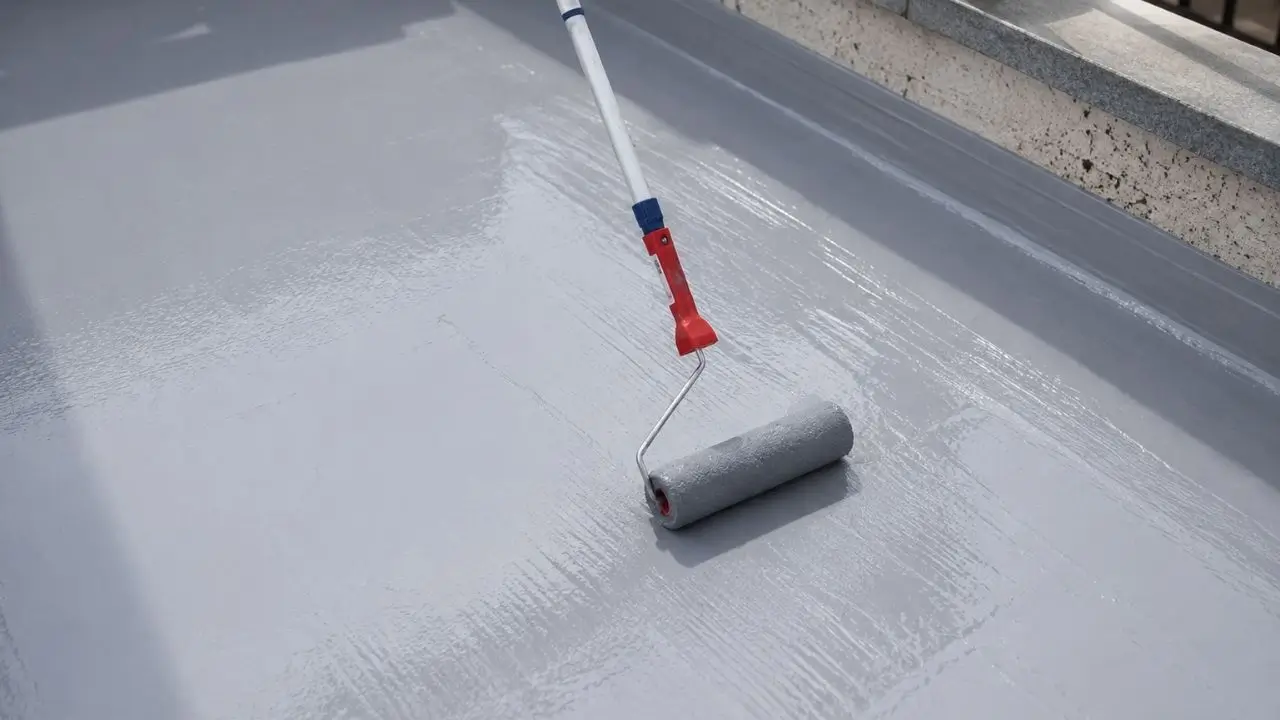
The sun’s intense and relentless ultraviolet radiation is arguably the most destructive enemy of any exterior synthetic coating, heavily influencing the long-term chemical stability of polyurethane structural systems. Standard aromatic polyurethane formulations, while incredibly tough and highly flexible, are inherently sensitive to prolonged direct UV exposure, causing them to gradually discolor, chalk, and lose their flexible properties over time. To actively combat this severe solar degradation, chemical manufacturers developed advanced aliphatic polyurethane topcoats, which are specifically engineered to be completely UV-stable and highly color-fast. When a vulnerable aromatic base layer is heavily shielded by a robust aliphatic topcoat, the entire waterproofing system gains immense overall resistance to harsh solar radiation, easily surviving extreme summer environments for decades.
Extreme atmospheric temperature fluctuations and the unique physical behavior of pooling water itself also put immense continuous physical pressure on the overall structural integrity of the protective membrane. During harsh freezing winter months, water that accidentally pools in slight surface depressions can quickly freeze into solid ice, expanding rapidly and creating tremendous mechanical stretching stress against the synthetic coating. While high-quality polyurethane naturally stretches to safely accommodate these intense thermal shocks, continuous harsh freeze-thaw cycles combined with prolonged stagnant ponding water will inevitably accelerate polymer breakdown. Roofs and wide terraces lacking proper architectural drainage slopes inadvertently force the protective membrane to act as a permanent swimming pool liner. Ensuring optimal architectural water drainage significantly reduces this localized stress, allowing the resilient coating to completely thrive.
Maintenance Tips to Extend Coating Life
Maximizing the financial return on your critical waterproofing investment heavily requires shifting away from a passive, reactive mentality toward a highly routine, proactive structural maintenance strategy. The simplest yet most profoundly effective preventative action you can confidently take is conducting comprehensive visual surface inspections twice a year, ideally scheduled in the late spring and early autumn seasons. During these thorough assessments, dedicated facility managers must diligently clear all lingering organic debris, such as fallen decaying leaves and heavy dirt accumulations, which trap dangerous moisture and promote damaging biological moss growth. Washing the surface gently with a soft-bristled sweeping broom and a mild neutral detergent prevents harsh accumulated chemical pollutants from slowly eating away at the protective topcoat over the consecutive years.
Even with implementing the most pristine and rigorous cleaning routines, minor localized mechanical surface damages—such as a small sharp puncture from a accidentally dropped heavy tool or a deep scuff from forcefully dragged heavy equipment—can occasionally occur. It is absolutely imperative to thoroughly address these tiny structural breaches immediately by applying a highly compatible polyurethane liquid sealant before standing water seeps underneath and permanently compromises wider membrane adhesion. Furthermore, proactively keeping all external gutters, structural scuppers, and internal roof drains completely unobstructed is completely paramount to actively preventing the highly dreaded ponding water deterioration scenario. By confidently combining meticulous daily drainage management with incredibly rapid localized patch repairs, savvy property owners can easily push the lifespan of their coating to its absolute maximum.
Shield your property with the ultimate power of Dryfix polyurethane waterproofing. Invest in seamless durability and secure your building's future today!