


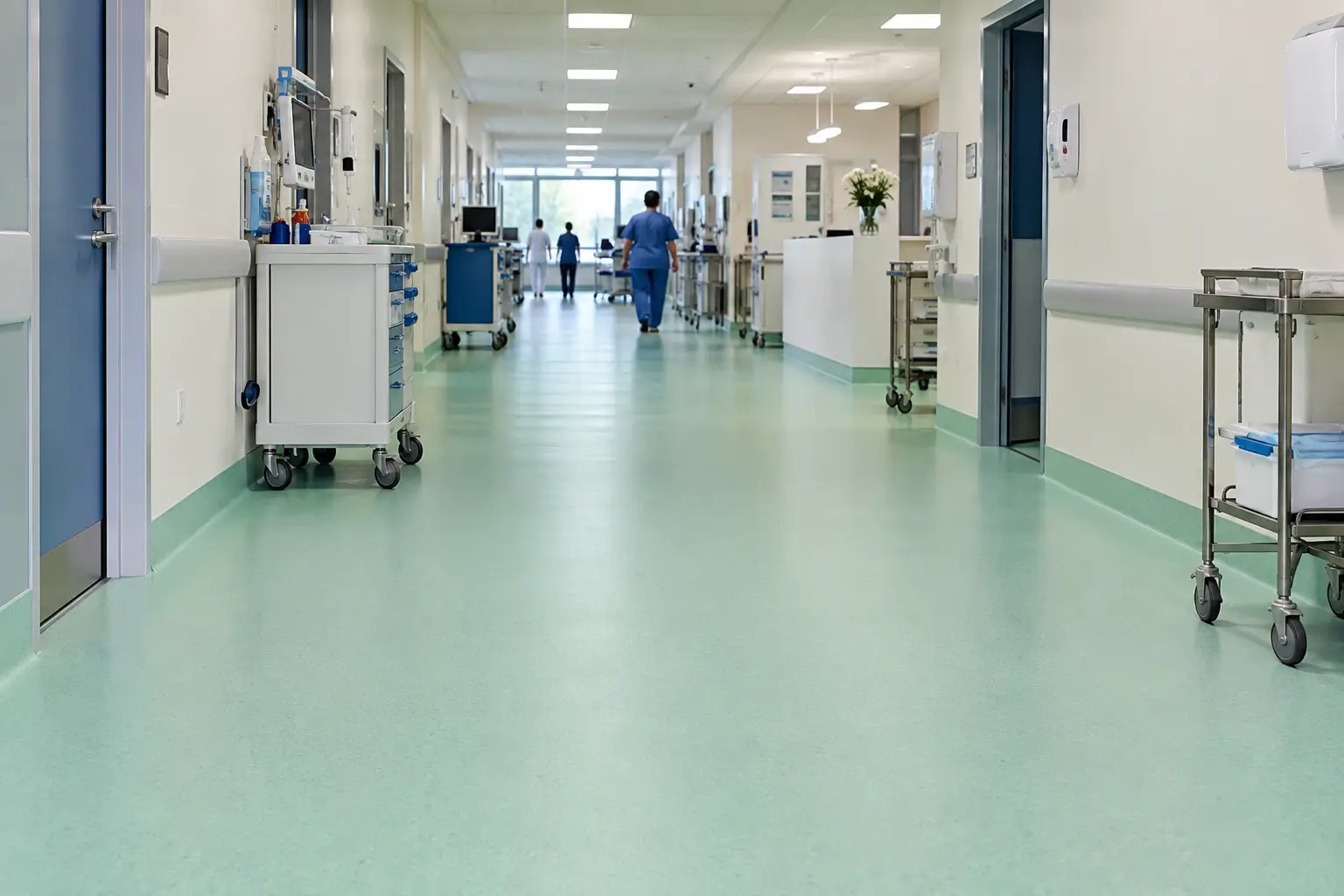
Epoxy floor coatings, which have a wide range of applications from industrial facilities to residential spaces, are known for their durability and aesthetic appearance. These systems, which ensure the protection of concrete surfaces, preserve their initial performance for years when applied correctly. The physical and chemical influences to which the structure is exposed are among the fundamental factors that directly determine the durability period of the coating.
In this comprehensive guide, we will examine in detail the factors affecting the lifespan of epoxy floor coatings, their change processes over time, and maintenance methods. With the right material selection and professional workmanship, the service life of the floors can be maximized.
How Many Years Does a Quality Epoxy Coating Last on Average?
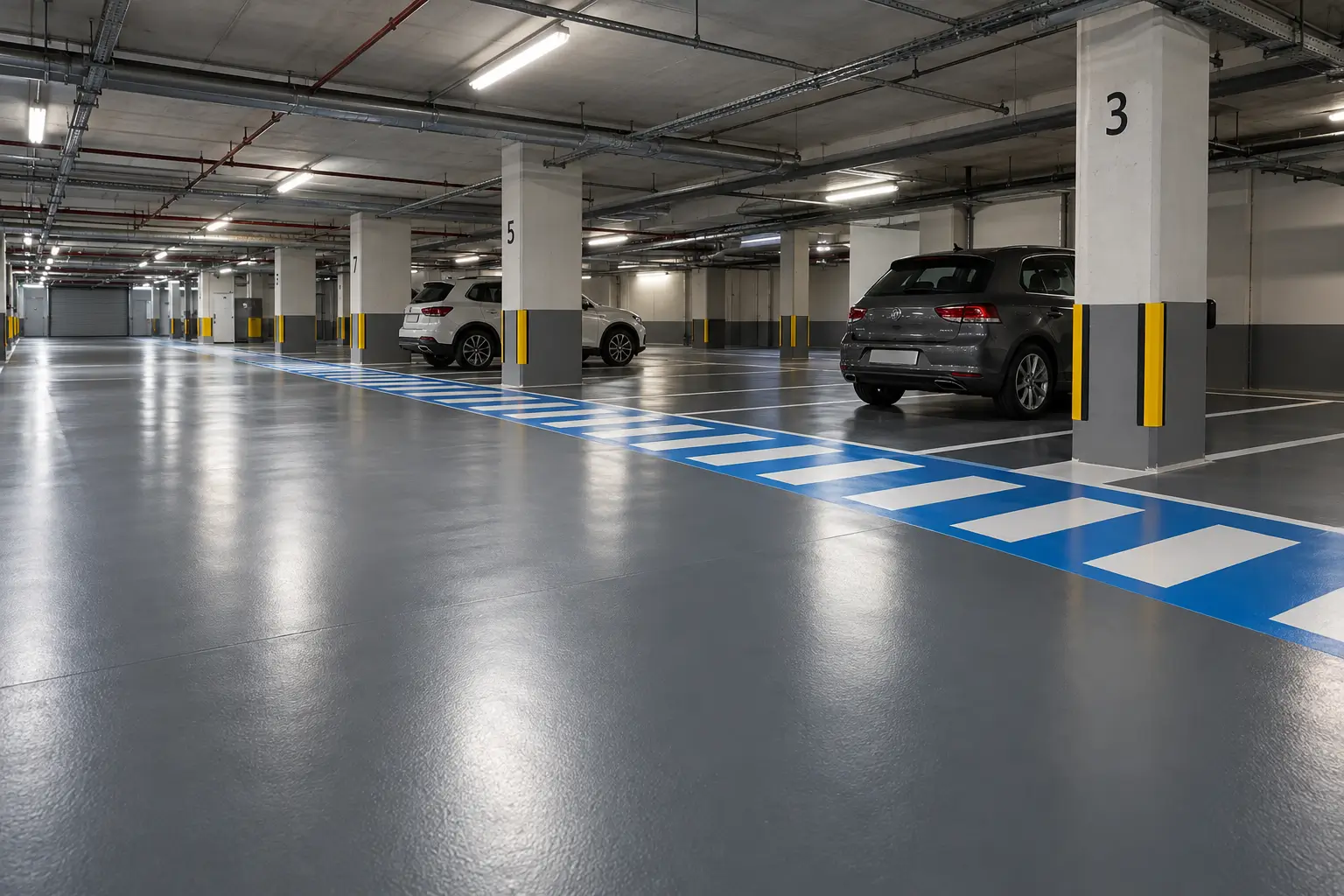
Epoxy floor coatings produced with high-quality resin components maintain their structural integrity for many years under proper conditions. While this period ranges from 15 to 20 years in residential and light commercial spaces, it varies between 10 and 15 years in heavy industrial facilities due to heavy loads and forklift traffic. The thickness of the material, the type of resin used, and the application quality set the boundaries of this period.
The table below shows the durability periods of epoxy coatings according to their areas of use:
| Area of Use | Durability Period | Influencing Factors |
| Residential and Office | 15 - 20 Years | Low foot traffic, low chemical exposure |
| Warehouse and Logistics | 10 - 15 Years | Forklift traffic, pallet movements |
| Heavy Industry Factories | 8 - 12 Years | Heavy mechanical load, chemical and acid contact |
| Parking Lot Floors | 10 - 15 Years | Vehicle traffic, tire friction |
Why Are Epoxy Floors So Long-Lasting?

The main reason why epoxy floor coatings possess high durability is that the two-component resin hardens as a result of a chemical reaction, forming a seamless single-layer structure. This structure completely closes the pores of the concrete surface, creating a flawless barrier against external factors. The chemical and physical resistance properties of the material are the primary characteristics that increase the lifespan of the floor.
The fundamental properties that ensure the longevity of epoxy coatings are:
- Seamless and Jointless Surface: The absence of joints prevents bacterial accumulation and simplifies cleaning, reducing the risk of wear.
- High Chemical Resistance: Acids, oils, solvents, and detergents cannot harm the surface, which prevents the material from degrading.
- Excellent Adhesion Strength: It clings flawlessly to the concrete subfloor, minimizing the possibility of peeling or blistering.
- Impact Resistance: It shows resistance to the dropping of heavy objects and high mechanical pressures.
The Change and Deterioration Process of Epoxy Coating Over Time
An epoxy floor coating goes through certain stages over the years from the moment it is first applied. It completely preserves its brightness and smoothness for the first few years, and no deformation is observed on the floor during this period. After the complete curing process of the resin is finished, it reaches maximum stress tolerance levels and exhibits its highest performance in this phase.
As time progresses, micro-scratches and dullness begin to appear, especially in areas exposed to heavy pedestrian and vehicle traffic. Yellowing or color fading may be observed in areas directly exposed to UV rays. This situation does not completely destroy the chemical resistance of the material, but it leads to a slight decline in its aesthetic appearance.
Approaching the final phase of its service life, deep abrasions and regional peelings may emerge on the coating surface. This process accelerates on floors where regular maintenance is not performed. Timely renovation of the worn layer prevents the substructure from being damaged and restarts the floor's lifespan.
How Does Surface Preparation Affect Epoxy Coating Lifespan?
The most critical stage that determines the lifespan of an epoxy coating is the surface preparation carried out before application. Unless weak screed layers, oil, dirt, dust, or old coating residues on the concrete surface are cleaned, epoxy cannot adhere to the floor. Opening up the porous structure of the concrete is essential to achieve flawless adhesion.
The primary processes applied during the surface preparation stage are:
- Shot Blasting: Cleans weak particles on the concrete surface, creating a textured surface and increasing the bonding area.
- Prism Milling: Eliminates level differences and flaws on the surface, providing a smooth floor.
- Dust Removal: All dust and particles on the surface are completely removed using industrial vacuum machines.
- Primer Application: Deeply penetrating epoxy primer is applied to the prepared surface, ensuring the concrete absorbs the resin and establishes a bond.
Why Does Professional Application Directly Affect Epoxy Lifespan?
Epoxy floor coating application is a technical process requiring high precision. Failure to mix the resin and hardener components in correct proportions causes the material not to harden completely and to deteriorate within a short time. Even the slightest error in chemical ratios can halve the lifespan of the coating.
Ambient temperature and humidity rates during application also directly affect durability. Applications carried out in very high humidity or low temperature conditions lead to the formation of air bubbles between layers. Over time, these bubbles burst, paving the way for cracks and peelings to occur on the surface.
Expert teams precisely adjust layer thicknesses according to project requirements. Homogeneous thickness is achieved using correct notch trowels and roller techniques. Professional workmanship guarantees that the material delivers its promised maximum lifespan without any problems.
How Should Maintenance Be Performed to Extend the Lifespan of Epoxy Floors?
A regular maintenance routine must be established to maximize the lifespan of epoxy floors. Sand, gravel, and hard particles accumulating on the surface create a sandpaper effect with foot traffic, reducing brightness and causing scratches. Therefore, floors need to be periodically swept and washed.
The points to consider during the maintenance process are summarized in the table below:
| Maintenance Step | Correct Application Method | Situations to Avoid |
| Daily Cleaning | Soft-bristled brushes and neutral detergents | Acidic and abrasive chemical cleaners |
| Stain Removal | Warm water and mild soap solution | Hard wire brushes and scraping tools |
| Heavy Load Transport | Rubber-wheeled equipment and pallet protectors | Dragged metal pallets and sharp-pointed loads |
| Periodic Inspection | Surface integrity and scratch inspection once a year | Maintenance negligence and allowing minor cracks to grow |