


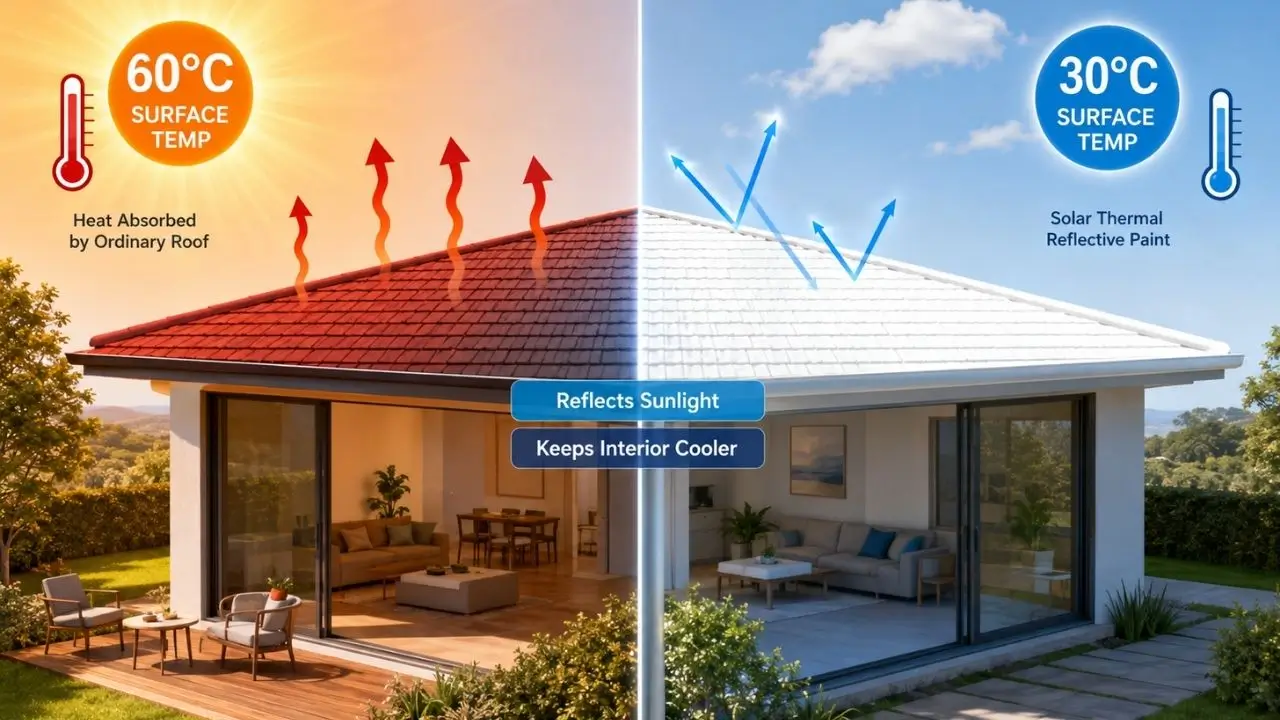
As global temperatures rise and the demand for energy efficiency intensifies, property owners increasingly look toward innovative structural modifications to curb excessive utility expenses. Traditional dark-colored roofs absorb massive amounts of solar radiation, transforming buildings into heat sinks that demand relentless air conditioning during peak summer months. This persistent thermal absorption not only inflates monthly electrical bills but also strains local power grids and accelerates structural wear and tear.
Enter reflective roof coatings—a specialized architectural solution engineered to bounce sunlight away from building envelopes rather than trapping it indoors. By altering the thermodynamic properties of a roof surface, these coatings offer a compelling pathway toward dramatic energy reduction, financial savings, and enhanced indoor comfort. Understanding how much energy these installations can genuinely save requires a comprehensive examination of their scientific mechanisms, building types, financial returns, and environmental impacts.
Reflective Roof Coatings: How They Work
Reflective roof coatings function primarily through two critical physical properties: high solar reflectance and high thermal emittance. When sunlight strikes a conventional roof, up to ninety percent of the solar radiation is absorbed and converted into sensible heat, which subsequently transfers into the building interior. Specially formulated reflective coatings, often referred to as cool roofs, utilize highly pigmented or specialized polymer resins that bounce visible, infrared, and ultraviolet rays directly back into the atmosphere. This fundamental barrier drastically reduces surface temperatures, keeping the exterior membrane significantly cooler under direct, intense midday sunlight.
Beyond merely reflecting solar rays, these advanced materials excel at thermal emittance, which describes the roof's capacity to radiate absorbed heat away from its surface. While reflectance prevents heat from entering in the first place, emittance ensures that any residual thermal energy trapped within the membrane quickly dissipates into the cooler night air rather than seeping downward. Together, these two synergistic properties prevent the thermal bridging effect, stabilizing interior temperatures and drastically reducing the daily workload placed on mechanical ventilation and cooling units.
The chemical composition of these coatings typically includes acrylics, silicones, or polyurethane elastomers embedded with specialized reflective minerals. When applied as a seamless liquid membrane over existing metal, modified bitumen, or single-ply roofing systems, the coating forms a protective, waterproof shield. This multi-layered defense mechanism not only optimizes thermal performance but also seals microscopic cracks, prevents UV degradation, and extends the overall lifespan of the underlying structural substrate without requiring a costly total roof replacement.
Average Energy Savings for Commercial and Residential Buildings
The magnitude of energy savings generated by reflective roof coatings varies significantly depending on the architectural typology, roof square footage, and local climate zones. Commercial buildings, which frequently feature expansive low-slope or flat roofs, typically experience the most dramatic reductions in cooling energy consumption. Because large commercial properties possess high internal heat loads generated by occupants, lighting, and heavy machinery, minimizing solar heat gain through the roof significantly lowers peak electrical demand during scorching summer afternoons. Facility managers routinely report cooling energy reductions ranging between ten and thirty percent annually.
Residential properties, conversely, experience variable savings influenced heavily by attic insulation levels and roof pitch configurations. Homes situated in warmer, sun-soaked southern climates benefit immensely, often shaving substantial percentages off their monthly air conditioning expenditures. However, homes in colder northern regions must carefully balance cooling savings against potential heating penalties during winter months, as preventing solar heat absorption can marginally increase heating loads. Despite this seasonal trade-off, net annual energy savings usually remain positive when factoring in extended shoulder seasons and modern HVAC efficiency standards.
| Building Type | Typical Climate Zone | Average Cooling Energy Reduction | Primary Performance Driver |
| Commercial Flat Roof | Hot / Arid & Humid | 15% to 30% | Large surface area and continuous solar exposure |
| Commercial Sloped Roof | Temperate | 10% to 20% | Reduced peak-load electrical demand charges |
| Residential Pitched Roof | Hot Southern Regions | 10% to 25% | Direct radiant heat barrier and attic insulation |
| Residential Northern Roof | Cold / Mixed Climates | 5% to 15% | Balanced cooling benefits versus winter heating loads |
Key Factors Influencing Energy Savings
Achieving optimal energy performance from a reflective roof coating requires careful evaluation of local climatic conditions, ambient weather patterns, and regional solar intensity. Buildings located in geographic regions characterized by prolonged summer heatwaves and high solar irradiance yield the highest return on investment. In these environments, the continuous onslaught of solar radiation makes the high solar reflectance index an absolute necessity for maintaining stable indoor temperatures without overworking mechanical cooling systems.
Roof slope, structural orientation, and existing insulation values also play pivotal roles in determining overall energy retention and thermal efficiency. Flat or low-slope roofs collect maximum direct sunlight during peak hours, making them prime candidates for reflective liquid applications. Furthermore, the presence and quality of underlying attic or roof deck insulation dictate how much residual heat successfully penetrates the interior living or working spaces. Buildings with substandard insulation derive immediate, noticeable comfort improvements from reflective coatings, as the outer membrane stops thermal accumulation at the source.
- Solar Reflectance Index (SRI): Higher SRI ratings indicate superior capability to reflect solar energy and emit thermal radiation efficiently.
- Surface Maintenance: Regular cleaning schedules prevent dirt, dust, and biological growth from darkening the reflective membrane over time.
- HVAC Efficiency: Older, less efficient cooling systems benefit more noticeably in terms of reduced runtime and lowered mechanical wear.
- Local Energy Tariffs: Properties located in areas with tiered or peak-demand electricity pricing structures maximize financial savings by flattening load spikes.
Financial Benefits Beyond Cooling Cost Reductions
While reduced electricity bills represent the most immediate financial incentive, reflective roof coatings deliver a diverse array of long-term economic advantages that extend far beyond monthly utility savings. By dramatically lowering the constant thermal expansion and contraction cycles that degrade traditional roofing materials, these coatings significantly prolong the service life of the roof. Property owners can bypass the exorbitant capital expenditures associated with premature roof tear-offs and replacements, redirecting those funds toward core business operations or residential maintenance.
Additionally, many utility providers and municipal governments offer lucrative financial rebates, tax incentives, and grant programs for property owners who install certified cool roof systems. These localized incentives can offset a substantial portion of the initial material and labor costs, accelerating the financial payback period. Furthermore, decreased mechanical strain on commercial HVAC units results in fewer emergency repair calls, lower maintenance overhead, and extended equipment longevity, creating a multi-layered financial cushion for property owners.
- Extended Roof Lifespan: Delays costly structural replacements by protecting the primary waterproof membrane from ultraviolet degradation.
- Utility Rebates: Qualifies for cash-back incentives and energy-efficiency grants offered by regional power companies and government bodies.
- Reduced HVAC Maintenance: Lower operating temperatures minimize compressor burnout and reduce mechanical repair frequencies.
- Enhanced Property Value: Certified energy-efficient building upgrades command higher commercial valuations and attractive real estate market appeal.
Environmental and Sustainability Impacts
The widespread implementation of reflective roof coatings generates profound positive impacts on both local microclimates and broader global environmental sustainability initiatives. Urban areas frequently suffer from the urban heat island effect, wherein dark asphalt pavements and traditional roofs absorb solar radiation and radiate heat back into the surrounding air, elevating city temperatures significantly. By widely adopting high-albedo cool roofs, municipalities can successfully lower ambient urban air temperatures, mitigating smog formation and improving overall regional air quality.
On a macro scale, reducing electricity consumption translates directly into lower greenhouse gas emissions from fossil-fuel-powered electrical grids. As residential and commercial buildings demand fewer kilowatt-hours for air conditioning, power plants burn less coal, natural gas, and oil, curbing carbon dioxide output considerably. Moreover, applying reflective coatings directly over existing roofing materials prevents millions of tons of old building membrane debris from clogging local landfills, aligning commercial and residential property management with modern circular economy and green building certifications.
Stop letting summer heat drive up your electricity bills and transform your indoor comfort by switching to Dryfix Thermal 100 today. Protect your building from harsh solar radiation while slashing your cooling costs with an impressive 89% solar reflectance power. Claim your energy freedom and keep your living spaces naturally cool by ordering Dryfix Thermal 100 right now!