


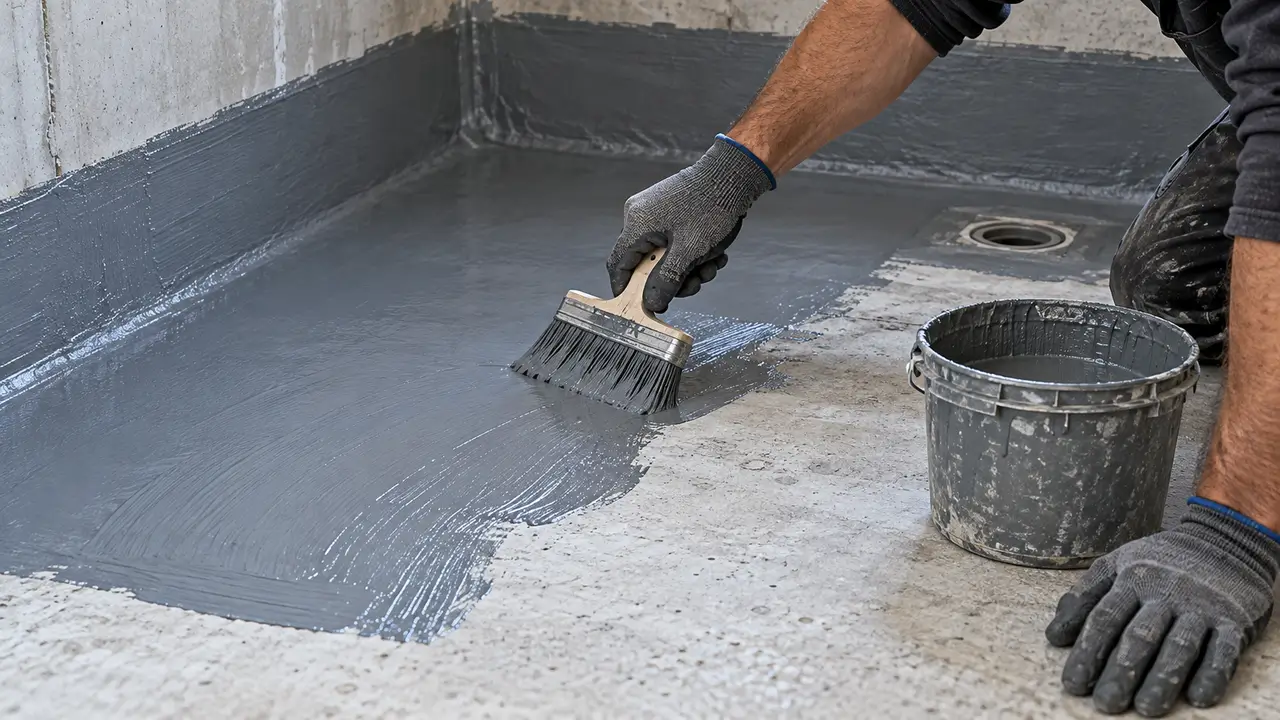
Waterproofing is one of the primary elements that directly affect the lifespan, structural safety, and comfort of buildings. Factors such as rain, snow, groundwater, and plumbing leaks seep into the load-bearing systems of structures over time, causing severe damage. Therefore, choosing the right materials and executing a qualified application process is the most fundamental step in securing the future of a building.
Waterproofing is not merely an aesthetic measure to prevent dampness or mold; it directly prevents the corrosion of reinforcement bars that form the skeleton of the building. Protecting structural integrity directly increases the resistance buildings show during an earthquake. In the following sections, you can examine the finer points of waterproofing, application areas, and methods used in detail.
Why is Waterproofing Vitally Important in Buildings?
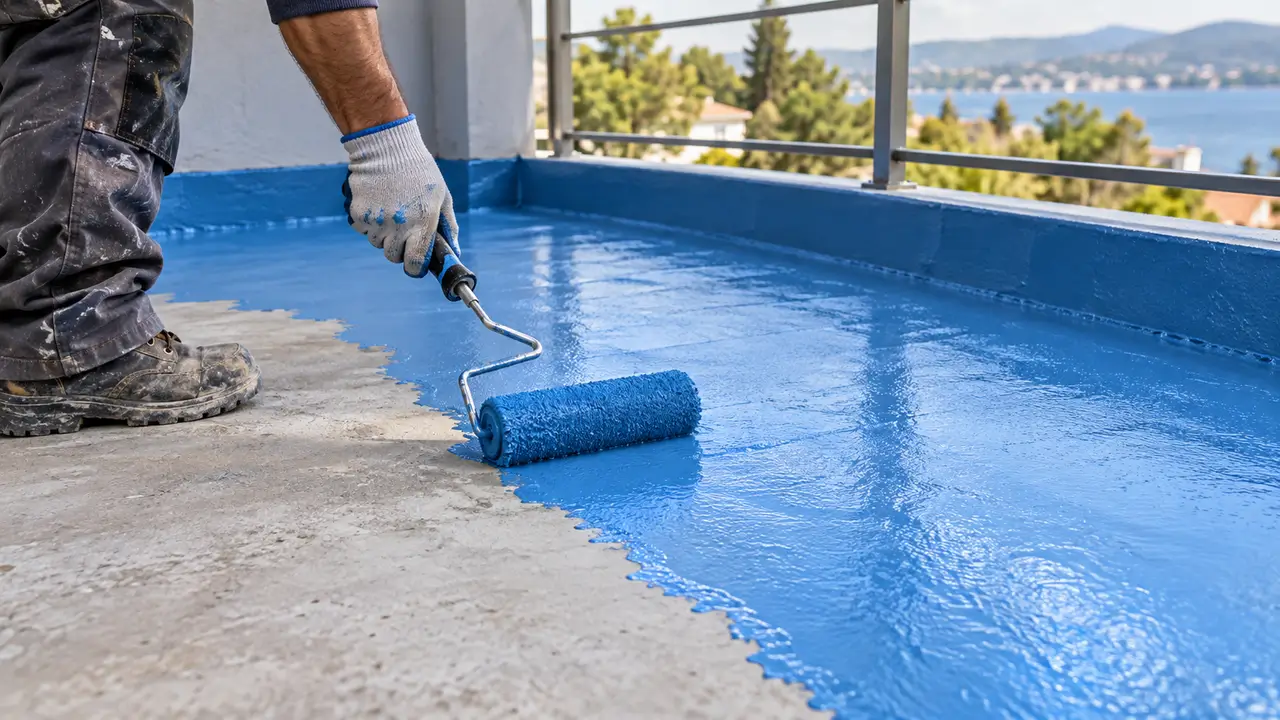
Waterproofing is one of the most critical engineering practices determining the lifespan of a structure. Moisture and water penetrating structures from the outside or inside degrade the concrete structure and cause reinforcement bars to rust if precautions are not taken. Once the corrosion process begins, reinforcement bars lose volume, and their load-bearing capacity drops significantly. This dangerously reduces the resistance of buildings against natural disasters such as earthquakes.
Furthermore, dampness and mold frequently seen in unwaterproofed buildings directly and negatively affect indoor air quality. Inviting respiratory issues in terms of health, this situation reduces living comfort to zero. The rotting of building materials, peeling of paints, and shedding of plasters create a continuous expense cycle. Waterproofing is the most economical investment protecting construction costs in the long run.
Ultimately, insulation protects not only the physical lifespan of the building but also the health and budget of its residents. A correctly planned insulation project contributes to energy efficiency while preserving the market value of the building. For anyone wanting to guarantee structural health, waterproofing is an indispensable part of construction.
What Are the Main Areas to Be Waterproofed?
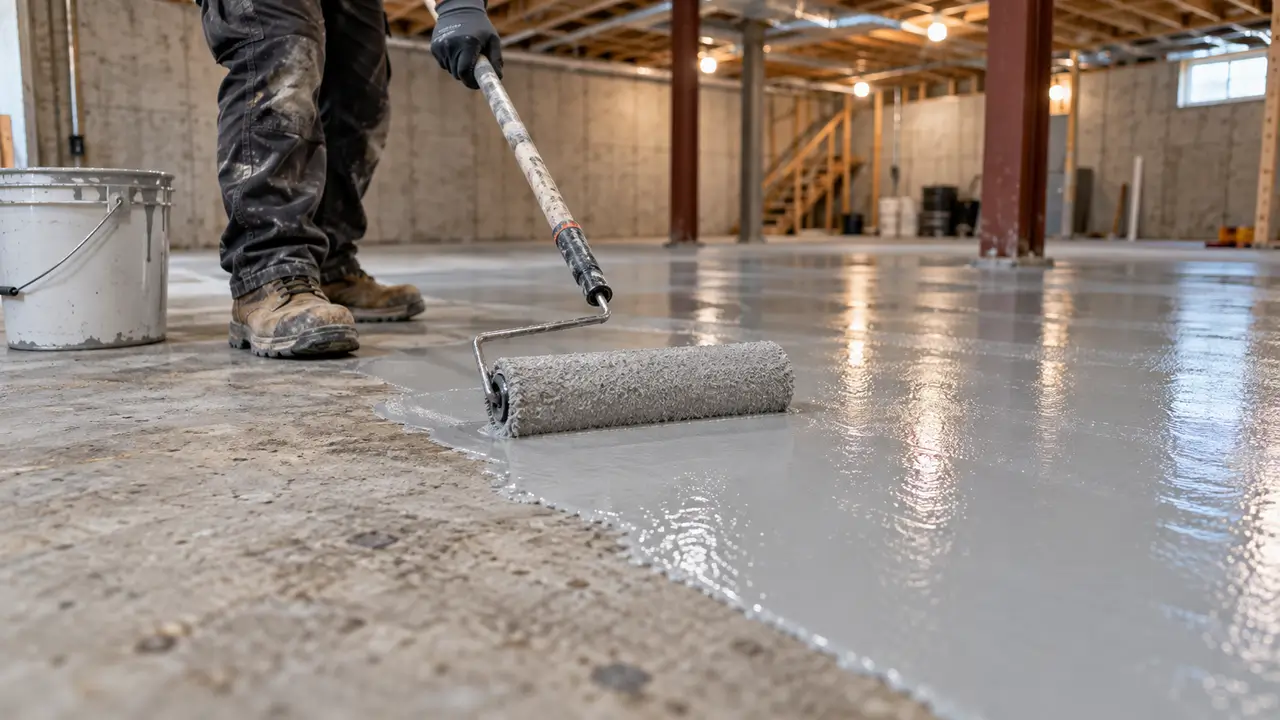
There are many different points in buildings where water can leak into the structure. Developing separate engineering solutions and insulation strategies for each of these points is essential. The foundations and curtain walls of structures come at the top of the areas where waterproofing will be applied. Groundwater and moisture within the soil directly threaten these areas.
Wet areas known as bathrooms, kitchens, and toilets must also be waterproofed to prevent water leaks from reaching lower floors. Roofs and terraces rank at the top of areas requiring flawless waterproofing as they are directly exposed to rain, snow, and sunlight. Exterior facades need a protective shield against rainwater driven by the wind.
In the table below, you can see the main areas where waterproofing should be applied in buildings and the risk factors these areas face:
| Insulation Area | Risk Factors Exposed To | Recommended Main Protection Method |
| Foundations and Curtain Walls | Groundwater, soil moisture, drainage issues | Bituminous membranes, liquid-applied waterproofing |
| Roofs and Terraces | Rainwater, snow accumulation, UV rays | PVC/TPO sheets, liquid polyurethane systems |
| Wet Areas | Water leaks, plumbing leaks, sub-ceramic moisture | Cement or acrylic-based liquid waterproofing |
| Exterior Facades | Wind-driven rain, wind, temperature variations | Hydrophobic impregnations, exterior paints |
How to Waterproof Foundations and Curtain Walls?
Foundations and curtain walls are the most vulnerable areas of a building against water. Surface preparation must be completed flawlessly before waterproofing these areas. Burrs on the concrete surface are cleaned, and segregation and voids are filled with repair mortars. Once the surface is made smooth, a chamfer mortar is applied to the corners to prevent water leaks.
After priming the surface, the selected waterproofing material is applied. Bituminous membranes are fully adhered to the surface by heating with a torch or using self-adhesive types. Liquid-applied polyurethane or cement-based materials are brushed or sprayed in layers. After the application is complete, the insulation layer must be protected against mechanical impacts; for this purpose, styrofoam, drainage boards, or protective concrete are used. Drainage pipes are laid around the curtain wall to ensure water is channeled away from the building's foundation.
Roof and Terrace Waterproofing Application Methods
Roof and terrace insulation protects the building against rain, snow, and freezing events coming from the top. Application phases consist of the following steps:
- Slope Concrete and Surface Preparation: Appropriate slope concrete is poured so that water can easily flow into drains on the roof surface, and the surface is cleared of all dust and residues.
- Laying Layers: The selected membrane, waterproofing cover, or polyurethane liquid material is applied flawlessly to the entire surface in accordance with manufacturer instructions.
- Thermal Insulation Integration (Terrace Roofs): In systems called inverted terraces, thermal insulation boards and gravel fill are laid over the waterproofing to complete the system.
How to Waterproof Exterior Facades and Basements?
Exterior facades are sensitive to rainwater hitting the building's facade along with the wind. Hydrophobic impregnation materials, exterior paints, or thermal insulation systems are preferred for exterior facade waterproofing. These applications are designed not to prevent the building from breathing while blocking water from penetrating the wall.
In basements, the situation is more critical because water exerts pressure inward from both the outside and underground pressure. In cases where external insulation is not possible, negative waterproofing is applied from the inside. In negative insulation, special crystallized or cement-based mortars resistant to negative water pressure are directly brushed onto the wall surface to physically prevent water from entering.
What Are the Main Materials Used in Waterproofing?
Materials used in waterproofing vary depending on the characteristics of the area applied and the pressure water will be exposed to. Correct material selection directly determines the performance of the insulation.
- Bituminous Membranes: Bitumen-based covers with glass fleece or polyester carriers. They are widely applied by melting with a torch on foundations, roofs, and terraces.
- Liquid-Applied Materials: Polyurethane, acrylic, or cement-based liquid materials. They form a seamless, complete waterproofing layer when brushed or rolled.
- PVC and TPO Geomembranes: Flexible plastic-based covers. They are preferred especially on wide terraces, under foundations, and in structures requiring water retention like pools.
- Crystallized Waterproofing Materials: Chemical-containing mortars that fill capillary cracks and voids with waterproof crystals by reacting with water inside the concrete.
Don't be late to protect your building from the destructive effects of moisture, mold, and corrosion; secure your structure with Dryfix's innovative waterproofing solutions. Examine Dryfix products now, extend your building's lifespan and carry it safely into the future!