


The global construction industry demands high-performance materials to ensure the longevity and safety of infrastructure, and waterproofing plays a foundational role in this equation. Protecting buildings from moisture, groundwater, and harsh weather conditions requires premium chemical formulations that can withstand extreme environmental stress. Over the past two decades, Turkey has positioned itself as a primary hub for manufacturing and exporting these critical construction chemicals. Situated perfectly between Europe, Asia, and the Middle East, the country offers a strategic advantage for international buyers looking to source top-tier building materials without facing excessive logistical hurdles or prolonged shipping delays.
Sourcing waterproofing materials from this region gives contractors, developers, and distributors access to a vast ecosystem of certified manufacturers. Turkish producers adhere to strict European quality standards, ensuring every batch of bitumen, polyurethane, or cement-based membrane delivers uncompromising durability. This buyer’s guide explores the core advantages of the Turkish market, details the distinct product categories available, and provides actionable steps for identifying trustworthy suppliers. By leveraging the insights within this comprehensive overview, import professionals can establish lucrative, long-term trade relationships that elevate their construction projects while optimizing supply chain economics.
Why Choose Turkey for Waterproofing Materials?
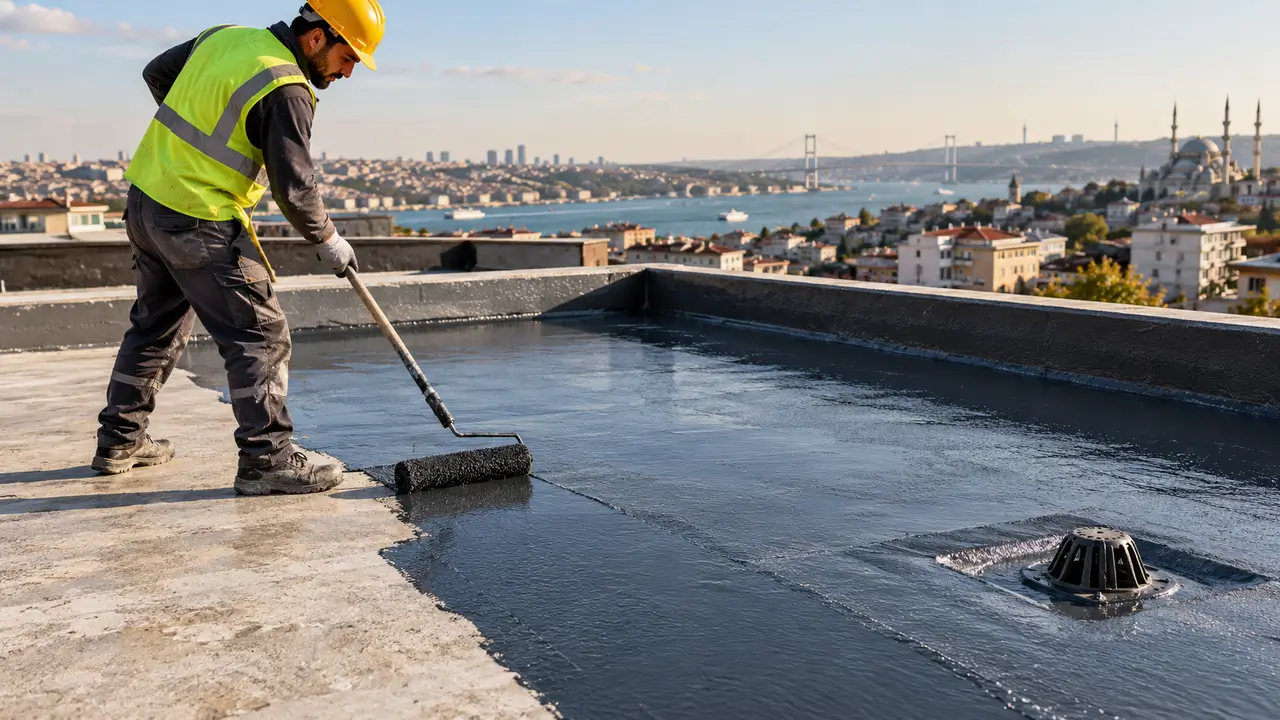
Turkey stands out in the global construction supply chain due to a unique convergence of advanced manufacturing infrastructure and unparalleled geographic positioning. Factories across Istanbul, Kocaeli, and Izmir utilize state-of-the-art chemical processing technologies to create materials that rival the best European brands. This industrial density allows manufacturers to maintain large production capacities, fulfilling massive international orders with impressive speed.
Beyond pure production capabilities, cost-effectiveness drives the appeal of the Turkish market. Labor and operational costs remain competitive compared to Western European nations, allowing producers to offer highly attractive price points. Buyers acquire premium, CE-certified products that pass rigorous quality control checks without stretching their project budgets. The value proposition is clear: top-tier performance at a fraction of the cost.
Furthermore, the country’s exceptional logistics network facilitates seamless global trade. Deep-water ports along the Mediterranean and Aegean seas provide direct shipping routes to buyers across the globe. Turkey’s robust customs infrastructure and active free trade agreements further streamline the export process. Procurement teams experience fast transit times and straightforward documentation, ensuring strict project deadlines are met without fail.
Types of Waterproofing Materials Manufactured in Turkey
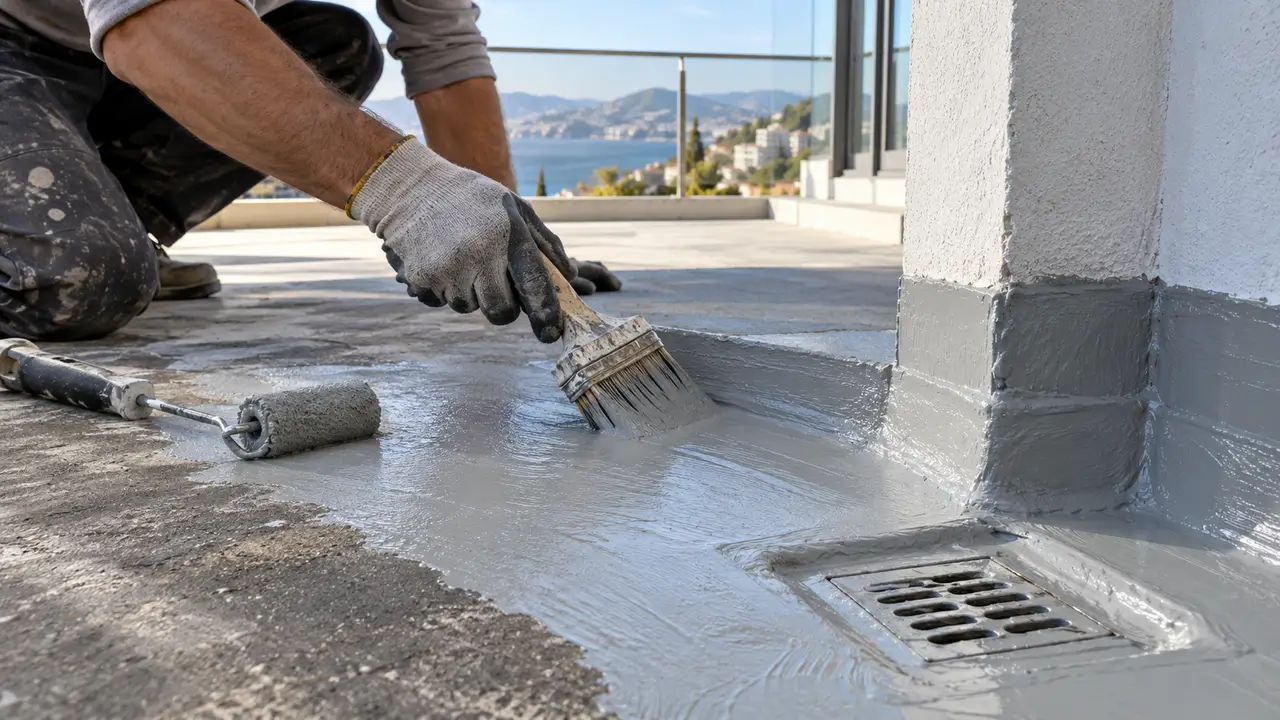
The Turkish chemical and construction manufacturing sector produces a comprehensive array of waterproofing systems designed for diverse architectural applications. Factories cater to every possible engineering requirement, from subterranean foundations to exposed roofing structures. International buyers can source the following core categories:
- Bituminous Membranes: These robust, asphalt-based rolls provide exceptional defense for flat roofs and retaining walls. Manufacturers reinforce them with fiberglass or polyester to enhance tensile strength and flexibility.
- Acrylic Emulsions: Ideal for exterior walls and sloped roofs, these elastomeric coatings offer excellent UV resistance. They form a seamless, breathable layer that prevents water ingress while allowing internal moisture vapor to escape.
- Crystalline Capillary Waterproofing: Applied to concrete structures, these active chemicals penetrate deep into the pores. They react with free lime to form insoluble crystals, permanently sealing micro-cracks against hydrostatic pressure.
- PVC and TPO Synthetic Membranes: Engineered for large-scale commercial roofing and underground tunnels, these thermoplastic sheets deliver superior tear resistance and heat-welded seam integrity.
- Epoxy Coatings: Used for industrial floors, water tanks, and pools, epoxy resins create a rigid, impermeable, and chemical-resistant barrier.
By offering this extensive variety, Turkish suppliers equip international contractors with exact solutions for any structural vulnerability.
Polyurethane and Cementitious Waterproofing Solutions
Two of the most sought-after categories in the Turkish export market are polyurethane and cementitious waterproofing systems. Both serve distinct structural purposes and offer unique chemical properties. Turkish manufacturers excel in formulating these products to meet strict international building codes. To help buyers choose the correct system for their specific project demands, the comparison table below outlines their core characteristics.
| Feature / Characteristic | Polyurethane Waterproofing | Cementitious Waterproofing |
|---|---|---|
| Primary Composition | Elastomeric synthetic resins | Portland cement, sand, silica, active chemicals |
| Flexibility | Extremely high; accommodates structural movements | Rigid to semi-flexible; ideal for stable surfaces |
| Application Areas | Exposed roofs, balconies, terraces, wet rooms | Basements, water tanks, foundations, elevator pits |
| Water Pressure Resistance | Positive side waterproofing | Excellent for both positive and negative hydrostatic pressure |
| UV Resistance | Excellent (aliphatic polyurethanes do not yellow) | Low; requires protective coverings in exposed areas |
| Application Method | Roller, brush, or airless spray | Trowel, stiff brush, or specialized spray equipment |
Procurement managers must analyze their site conditions closely. Polyurethane offers the elasticity needed for areas subjected to temperature fluctuations, whereas cement-based mixtures deliver unmatched strength for subterranean water containment.
Liquid Waterproofing Membranes Available in the Turkish Market
Liquid waterproofing membranes represent a rapidly expanding segment within Turkey's construction chemicals industry. These advanced formulations arrive on construction sites in buckets or drums and cure to form a completely seamless, rubber-like shield. The absence of joints or seams eliminates the most critical failure points found in traditional rolled sheet applications. Turkish research and development teams continuously innovate in this space, creating fast-curing, eco-friendly liquids that meet stringent global environmental directives.
Buyers can import a wide spectrum of liquid systems, including bitumen-rubber emulsions, pure polyureas, and hybrid acrylic formulations. Polyurea, in particular, stands out for its instant curing time and extreme mechanical durability, making it a favorite for heavy infrastructure projects like bridges and parking decks. Turkish facilities utilize high-shear mixing technology to ensure these liquids maintain perfect consistency, preventing premature separation during long ocean transit.
Contractors favor these materials because they conform perfectly to complex geometries, sealing around pipes, drains, and HVAC units with zero margin for error. Sourcing liquid membranes from Turkey guarantees access to high-yield products that drastically reduce labor times and provide long-lasting, flawless protection against water intrusion.
How to Find Reliable Manufacturers and Suppliers in Turkey
Securing a dependable supplier requires a strategic approach to due diligence and direct market engagement. The initial step involves verifying the manufacturer's quality certifications. Reputable Turkish factories proudly display ISO 9001, CE marks, and TSE (Turkish Standards Institution) documents, proving their formulations pass rigorous European safety and performance criteria. Requesting these documents upfront filters out substandard producers immediately.
Attending prominent industry trade shows provides another excellent avenue for supplier discovery. Events like the TurkeyBuild Istanbul exhibition gather the nation's premier chemical producers under one roof. Face-to-face interactions at these fairs allow buyers to inspect product samples directly, discuss custom formulations, and negotiate initial pricing structures.
For remote sourcing, leveraging official Turkish export portals and chemical manufacturers' associations yields highly verified company lists. Buyers should initiate contact by requesting small product samples and comprehensive Technical Data Sheets (TDS). Conducting a third-party factory audit before finalizing a bulk order guarantees the supplier possesses the actual production capacity they claim. Establishing clear communication channels and setting precise Key Performance Indicators (KPIs) ensures a transparent, mutually beneficial long-term importing partnership.
When selecting a premium partner for your construction projects, Dryfix stands at the forefront of Turkish waterproofing innovation. Combining advanced chemical engineering with uncompromising quality control, the brand delivers highly durable, CE-certified solutions engineered for the harshest environmental conditions. From ultra-flexible liquid polyurethanes to robust cementitious systems, Dryfix equips contractors with high-performance materials that guarantee absolute structural integrity. By choosing Dryfix, international buyers secure cost-effective, top-tier products backed by reliable global shipping and dedicated technical support.