


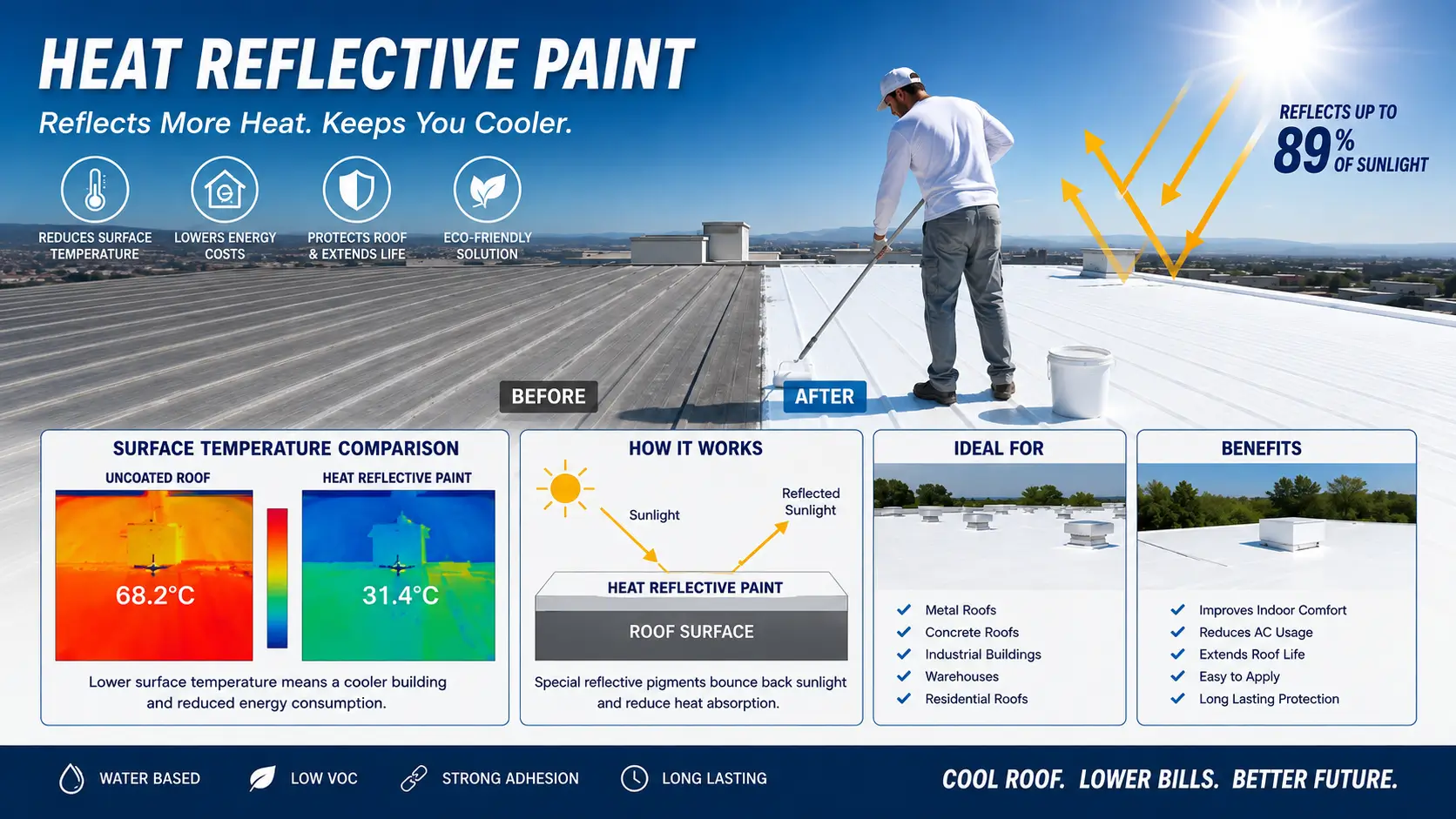
As energy efficiency and sustainability take center stage in modern building design, property owners increasingly look for innovative ways to reduce power consumption and combat urban heat islands. One of the most effective yet straightforward upgrades available today is the application of specialized exterior surface treatments designed to bounce sunlight away from buildings.
These advanced protective layers act as a shield for your building envelope, significantly lowering surface temperatures and transforming how structures interact with ambient weather conditions. Whether managing a commercial warehouse or a residential home, understanding these technologies provides a clear pathway to long-term energy savings and enhanced structural durability.
What Are Solar Reflective Roof Coatings?
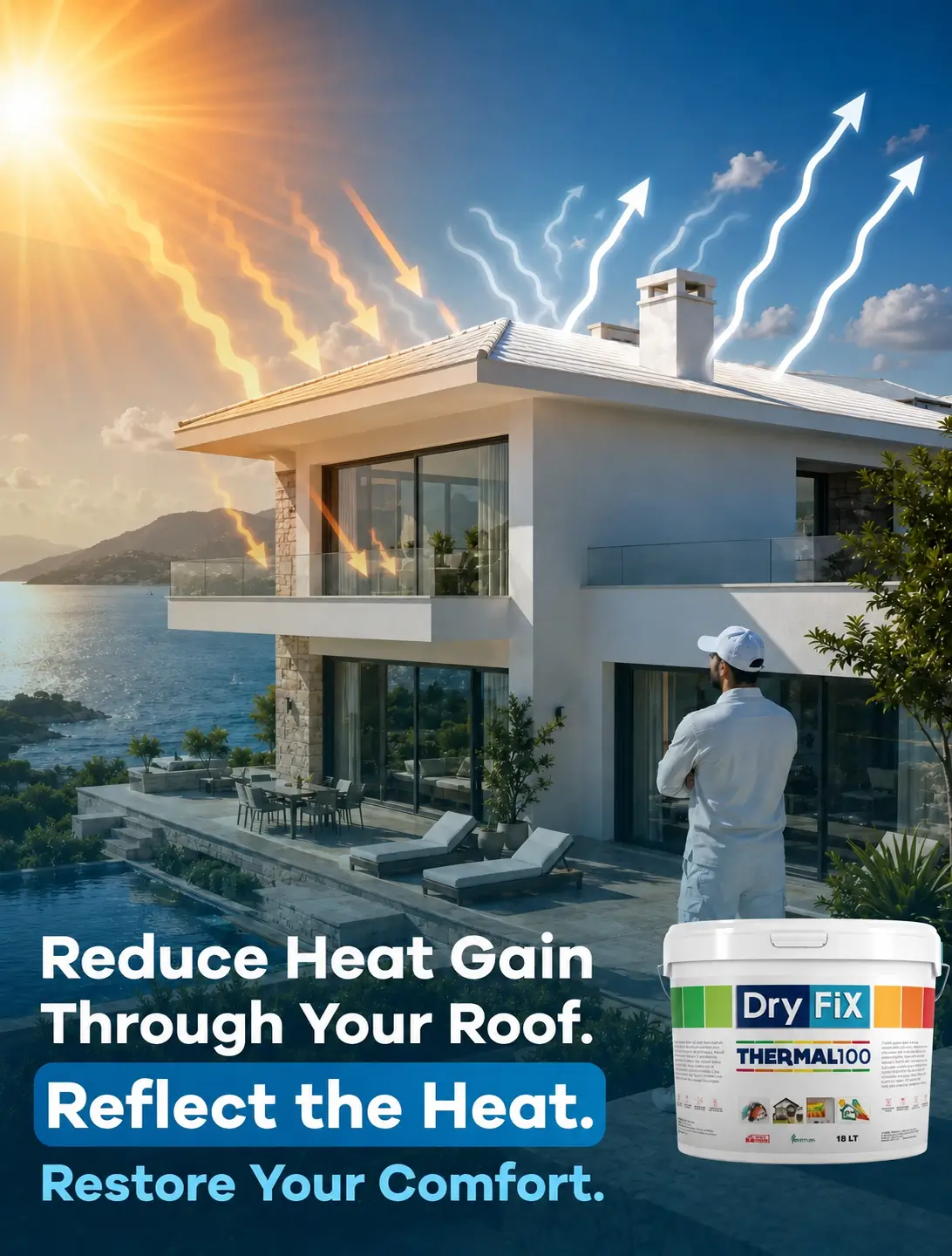
Solar reflective roof coatings are specially formulated, high-performance liquid applied membranes designed to reflect a significant portion of sunlight away from a building rather than absorbing it. Unlike traditional dark roofs that soak up solar radiation, these specialized coverings use highly reflective pigments and binders to bounce ultraviolet and infrared rays back into the atmosphere. They serve as a protective shield that not only guards the underlying roofing material from thermal shock and degradation but also drastically cuts down the heat transfer into the building interior. Available in various chemical formulations such as acrylics, silicones, and polyurethanes, these coatings can be applied seamlessly over existing structures to extend their functional lifecycle.
The primary measure of a coating's effectiveness relies on two core metrics: solar reflectance and thermal emittance. Solar reflectance represents the fraction of solar energy diverted away from the surface, typically measured on a scale from zero to one, where higher numbers indicate superior reflectivity. Thermal emittance measures how efficiently the roof releases the absorbed heat that it did not manage to reflect away. When combined, these metrics create the Solar Reflectance Index, or SRI, which rates overall thermal performance. Industry standards and building codes often require specific SRI thresholds to ensure maximum energy efficiency, making these coatings an integral component of green building certifications worldwide.
How Do Solar Reflective Coatings Work?
The fundamental mechanism behind reflective roof coatings involves the physics of light absorption, reflection, and emission. Traditional roofing materials typically absorb up to ninety percent of incoming sunlight, converting that solar radiation into sensible heat that warms both the roof deck and the building interior. Reflective coatings disrupt this process by utilizing specialized white or light-colored pigments that actively scatter solar photons. By preventing solar energy from being converted into thermal heat in the first place, these products keep the physical roof membrane significantly cooler on intense summer days.
Beyond merely bouncing visible sunlight, advanced coatings target the invisible spectrum, specifically near-infrared radiation, which generates a large portion of solar heat. Even if a coating appears bright white, its chemical composition is engineered to reflect invisible infrared wavelengths efficiently. Once the sun goes down, any residual heat absorbed by the coating is rapidly radiated back into the cool night air through high thermal emittance. This dual-action process ensures that the roof surface remains remarkably close to ambient outdoor temperatures, drastically mitigating the urban heat island effect and stabilizing indoor climates.
Key Benefits of Solar Reflective Roofs
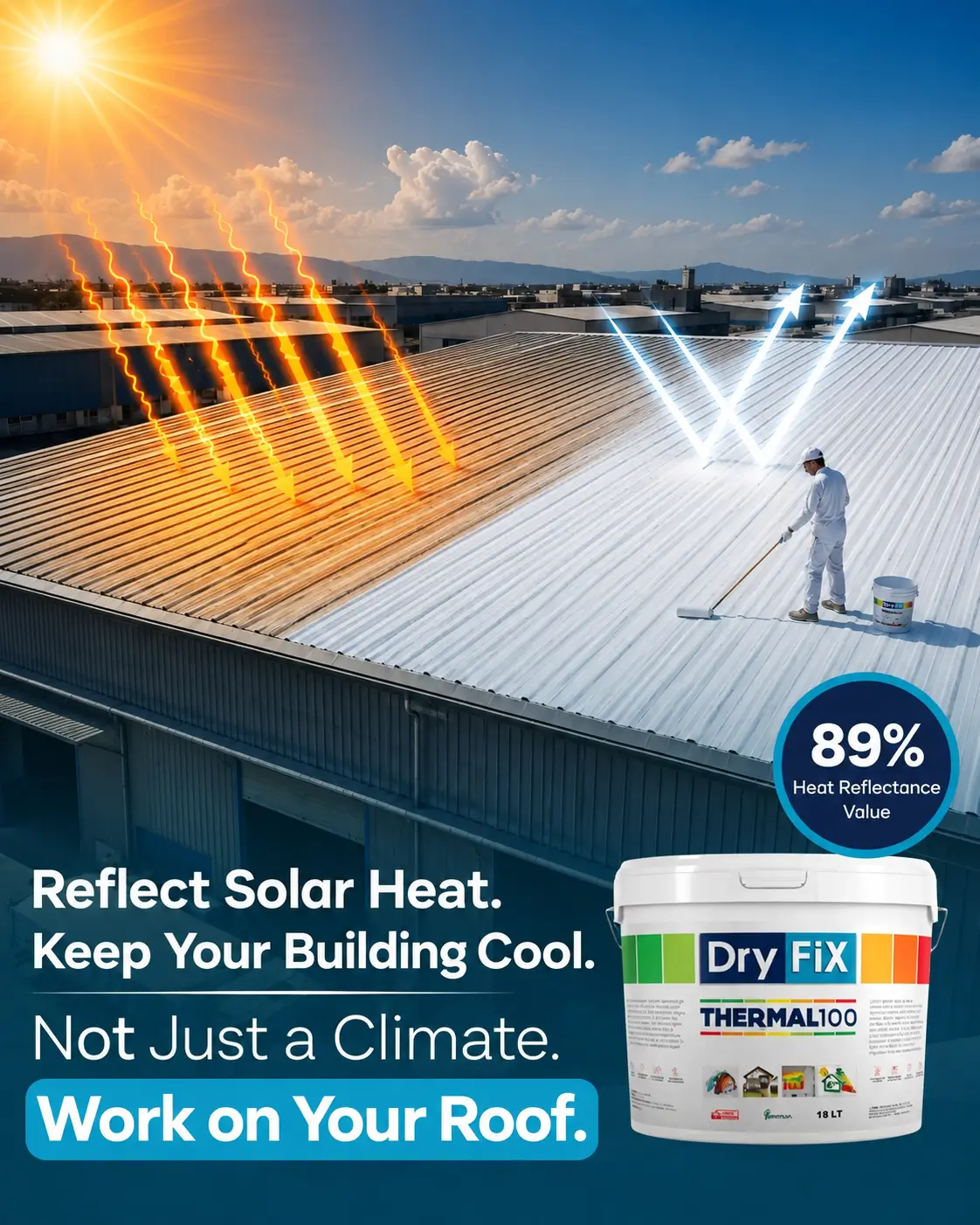
Implementing solar reflective coatings delivers an array of impressive financial and environmental advantages for property owners. The most immediate impact is a dramatic reduction in interior cooling loads, which translates directly into lower monthly electricity bills. By preventing solar heat from penetrating the building envelope, air conditioning systems do not have to work nearly as hard to maintain comfortable indoor temperatures. This efficiency is especially pronounced during peak summer months when utility pricing structures are at their highest, leading to substantial seasonal savings.
| Benefit Category | Impact on Building Performance | Long-Term Advantage |
| Energy Efficiency | Reduces indoor cooling loads by 10% to 25% | Lowers peak electricity demand and utility bills |
| Roof Longevity | Protects membranes from UV degradation and thermal shock | Extends roof lifespan by years or decades |
| Environmental Impact | Mitigates local urban heat island effects | Cuts greenhouse gas emissions from power plants |
Beyond immediate utility savings, these coatings act as a robust preservative for your entire roofing infrastructure. Constant thermal expansion and contraction caused by extreme temperature swings are a primary cause of premature roof failure, leading to cracks, leaks, and structural stress. By keeping the roof surface stable and cool, reflective coatings eliminate this thermal shock and protect underlying materials from destructive ultraviolet rays. Furthermore, widespread adoption of these systems helps cool down entire neighborhoods, lowering ambient air temperatures and reducing overall greenhouse gas emissions associated with electricity generation.
Best Roof Types for Reflective Coatings
Not all roofing systems are equally suited for reflective coatings, and evaluating compatibility is crucial for a successful installation. Single-ply membranes, metal roofs, and modified bitumen systems generally accept liquid-applied coatings exceptionally well, provided the surface is properly cleaned and primed. Built-up roofs can also be revitalized with these products, turning an aging, heat-absorbing gravel surface into a smooth, energy-efficient membrane. However, older roofs suffering from deep structural rot, extensive moisture entrapment, or severe structural damage must be repaired or replaced entirely before any coating application.
- Standing Seam Metal Roofs: Excellent candidates; coatings prevent thermal movement and seal fastener penetrations.
- Single-Ply Membranes (TPO and EPDM): Highly compatible; rejuvenation extends membrane life and restores reflectivity.
- Modified Bitumen and Built-Up Roofs: Suitable when surfaces are smooth, clean, and properly primed.
- Spray Polyurethane Foam (SPF): Naturally seamless and pairs ideally with high-performance reflective topcoats.
Before moving forward with a coating project, professional contractors perform comprehensive adhesion tests to verify compatibility between the existing substrate and the new liquid membrane. Proper surface preparation—including pressure washing, rust removal, and sealing seams—determines whether the coating will bond securely for its intended lifespan. Selecting the correct chemistry tailored to your specific roof substrate ensures maximum durability, prevents premature peeling, and guarantees that your investment delivers optimal thermal performance over the years.
Are Solar Reflective Roof Coatings Worth the Investment?
Evaluating the financial viability of solar reflective coatings requires balancing upfront material and labor costs against long-term operational savings. While professional application requires a notable initial investment, the financial payback period is often surprisingly short due to reduced cooling expenditures and deferred roof replacement costs. Many utility companies and regional governments offer attractive rebates, tax incentives, or grants for property owners who upgrade their buildings with certified cool roof technologies, further accelerating your return on investment.
Ultimately, these coatings represent a proactive approach to facility management that protects your capital assets while lowering your environmental footprint. By transforming an energy-absorbing liability into a high-performance thermal shield, you safeguard your interior environment and enhance property value. When factored alongside extended roof lifecycles and lower maintenance expenses, solar reflective coatings prove to be a smart, financially sound investment for nearly any commercial or residential property.
Transform your scorching summer roof into a high-efficiency thermal shield and experience instant indoor comfort. Secure your supply of Dryfix Thermal 100 today to slash your cooling bills and protect your building from extreme heat. Stop letting the sun dictate your energy costs and claim your cooler, energy-efficient living space now.