


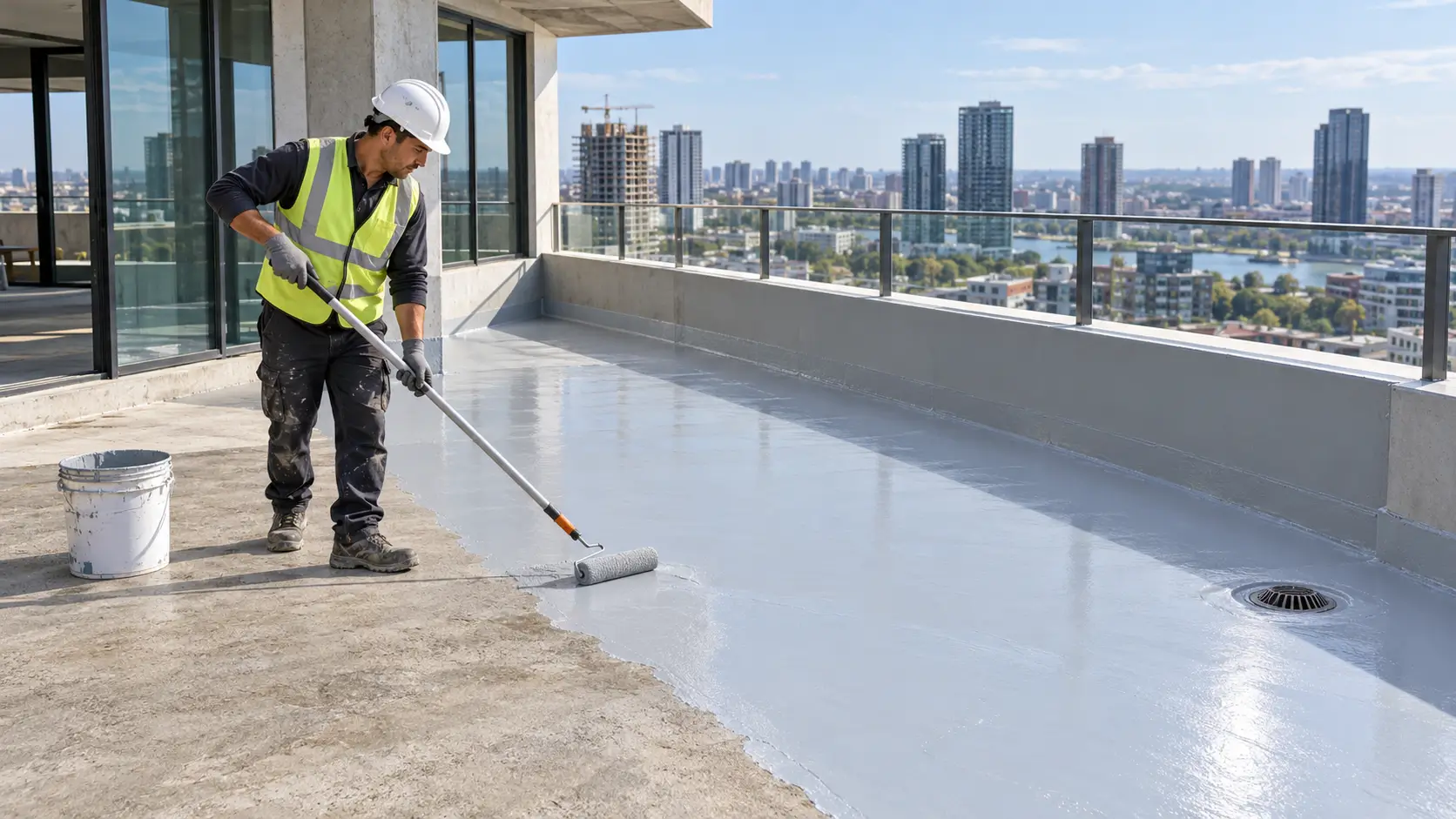
Terraces stand as the breathing spaces of modern architecture, ranking among the most valuable sections of buildings. However, these open areas face the destructive forces of nature directly every single day of the year. Heavy rain, freezing snow, scorching sun, and sudden temperature fluctuations subject terrace surfaces to a relentless test. Preventing water from seeping into the building structure under these harsh conditions is not a simple repair process; it is a continuous battle to preserve structural integrity. Water is nature's most stubborn element, penetrating even the microscopic capillary cracks to erode concrete and steel from the inside out. Without proper precautions, structural vulnerability becomes inevitable.
Property owners investing in waterproofing reasonably want to know how long this protective shield will endure. Although product catalogs guarantee specific multi-year spans, the real lifespan of a waterproofing material is never determined solely by laboratory tests. Regional climate conditions, static structural movements, workmanship quality, and matching the chosen chemical formulation to the terrace's intended use directly shape this duration. By looking beyond raw numbers and understanding waterproofing anatomy, establishing a system that delivers decades of trouble-free performance is entirely achievable. A properly designed waterproofing infrastructure isolates the building from external impacts while maximizing living comfort.
Why Is Terrace Waterproofing of Vital Importance?
Water ranks among the most destructive elements threatening a building's structural health. In the absence of a barrier—or when an existing barrier loses functionality—rainwater and melting snow penetrate straight into the reinforced concrete slab. Advancing through the capillary pores of the concrete, water eventually reaches the steel reinforcement supporting the structural frame. Steel in contact with moisture oxidizes, rusts, and expands in volume. This expansion creates immense outward pressure from within, causing concrete to crack, spall, and permanently degrade the load-bearing capacity of the structure.
Beyond structural hazards, water leaks directly ruin the living spaces on lower floors. Yellow water stains, peeling paint, and crumbling plaster on ceilings represent the visual consequences of compromised insulation. When moisture stays trapped between building elements, it creates ideal breeding grounds for black mold and fungal colonies. These biological growths degrade indoor air quality, opening the door to respiratory illnesses and severe allergic reactions. While interior aesthetics deteriorate, human health faces direct risks.
Professional terrace waterproofing serves as an impenetrable shield that halts this destructive chain reaction. It preserves the financial value of the building, protects interior decorative investments, and extends structural longevity. A timely, properly applied insulation system spares property owners from endless, astronomical repair expenses. Protecting a terrace is fundamentally equivalent to protecting a building's foundation, roof, and the lives within it.
Average Lifespan of Terrace Waterproofing Materials
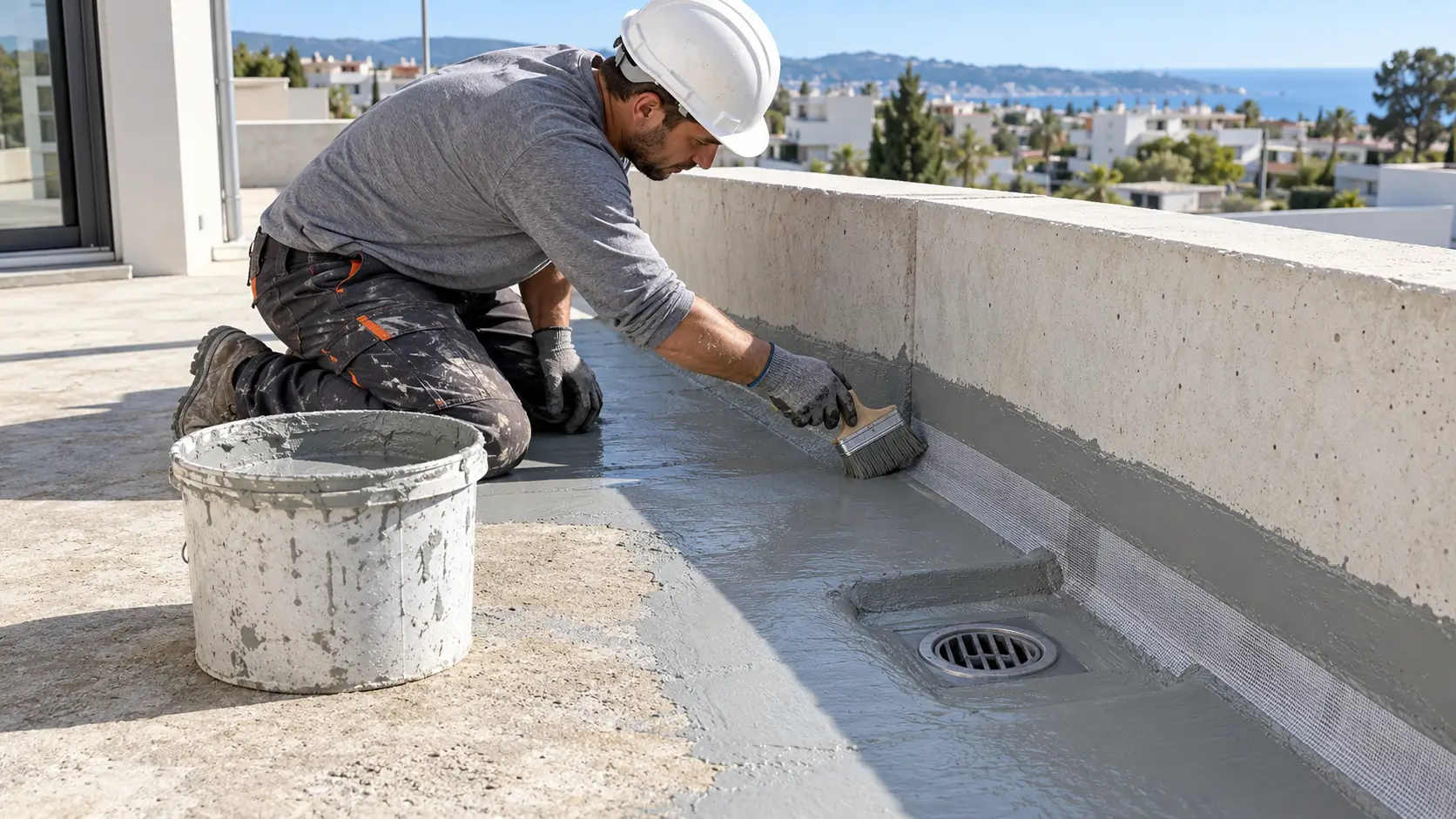
The theoretical lifespans of waterproofing materials tested in laboratory environments range between 10 and 30 years. However, the concept of average lifespan gets reshaped on-site under dynamic real-world variables. Material performance shortens or extends based on ground movement, UV radiation intensity, and the magnitude of thermal shocks between day and night. A flawless insulation coating comes to life not only through selecting the correct chemical formula, but also through pristine surface preparation.
Clearing the concrete surface of moisture, applying adhesion-promoting primers, and strictly respecting manufacturer curing times allow the waterproofing layer to bond seamlessly with the substrate. First-class insulation materials applied correctly exhibit performance matching the building's lifespan, provided they remain safe from physical damage. Ensuring proper slope concrete for water drainage and keeping outlets clear reduces hydrostatic pressure on the coating to zero. On well-maintained terraces free from ponding water, the waterproofing layer comfortably reaches the upper limits of its intended service life.
Waterproofing Lifespans by Material Type
Waterproofing products used on terraces offer varying durability periods depending on their chemical composition. The table below details the field performance of major material classes recognized across the industry:
| Material Type | Estimated Lifespan | Key Feature | Best Usage Area |
| Cement-Based Waterproofing | 10 - 15 Years | High adhesion, full compatibility with tile adhesives | Areas to be covered with tiles/ceramics |
| Bitumen-Based (Membrane/Liquid) | 15 - 20 Years | High flexibility, resistance to underground conditions, thick layer | Covered terraces, foundations, and curtain walls |
| Polyurethane / MS Polymer | 20 - 25 Years | Exceptional UV resistance, seamless continuous coating | Exposed roofs, terraces with direct sun exposure |
| Polyurea (Cold/Hot Applied) | 25 - 30+ Years | Extreme abrasion resistance, instant curing | Terraces with heavy foot traffic, parking decks |
| Acrylic-Based Liquid | 5 - 10 Years | Fast drying, easy application, eco-friendly structure | Terraces with light foot traffic in mild climates |
These figures reflect the inherent durability of each material class. Polyurethane and MS polymer technologies stand out with flexible structures designed for direct sun exposure. Cement-based systems create a pressure-resistant, breathable substrate under tile installations, preventing decay beneath the surface for years.
Signs That Waterproofing Has Reached the End of Its Lifespan
Over time, waterproofing materials succumb to environmental stressors and lose barrier capability. To shield the structure from deeper damage, monitoring the following signs of deterioration is essential:
- Yellowing and Moisture Stains on Lower Ceilings: The ceiling below is the first point reached by water penetrating the reinforced concrete slab. Yellow halos, peeling paint, or active water drops confirm a breached waterproofing layer.
- Cracking and Splitting in Liquid Coatings: Deprived of elasticity by UV radiation, plastic-based coatings or membranes dry out and split. Visible tears serve as direct expressways for water into the concrete.
- Emptying or Crumbling Grout Lines: On tile-covered terraces, constantly eroding, cracking, or popping grout lines signal that the underlying waterproofing layer fails to retain moisture.
- Chalking on the Coating Surface: Color fading and powdering when touched (chalking) on sun-exposed materials signal broken chemical bonds and advanced material aging.
- Chronic Dampness and Mold Odors: Even without visible water flow, a heavy smell of mold engulfing enclosed spaces serves as an indisputable warning that water remains trapped within concrete elements.
Making the Right Choice for Long-Lasting Terrace Waterproofing
To summarize: the key determinant of terrace waterproofing longevity lies in project-specific analysis. An exposed terrace subjected directly to sun, rain, and wind carries chemical requirements completely different from a terrace protected under tile or ceramic installation. Exposed terraces demand flexibility and high UV resistance, whereas under-tile systems require structural integrity, compressive strength, and strong bonding power. The true secret to longevity resides in applying "the right material to the right area."
Examining industry-standard professional products highlights this distinction clearly. Innovators like Dryfix deliver targeted solutions for diverse terrace configurations. For exposed terraces under direct sunlight, hybrid MS Polymer-based Dryfix Polymer 100 defies harsh weather with superior UV resistance and a seamless elastic build. The Dryfix Water Block polyurethane system establishes an unbroken barrier that resists cracking through extreme freeze-thaw cycles. In heavy-duty concealed applications such as under-tile or under-concrete areas, two-component bitumen-rubber Dryfix Bitumer 100 2K with crack-bridging properties or mineral-reinforced Dryfix Sb Plus provide reliable performance. Selecting the chemistry aligned with your terrace's architectural profile will keep your structure resilient against water's destructive power for decades.