


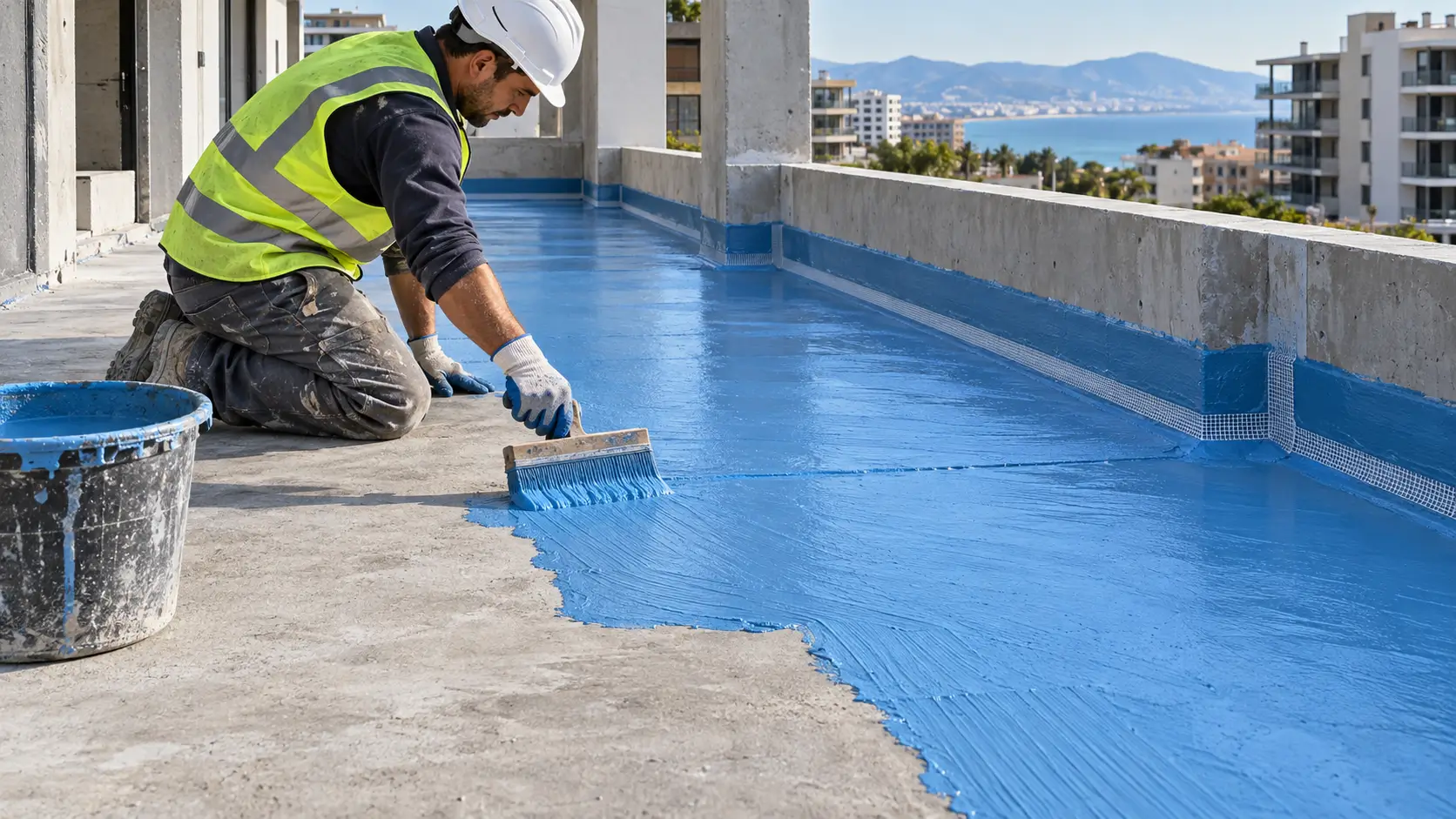
Terraces are the most vulnerable structural areas of buildings, directly exposed to open air, heavy rain, accumulating snow, and sudden temperature changes. Providing an uninterrupted protective shield against these harsh outdoor conditions secures the structural system of the building and prevents the steel reinforcement inside the concrete from corroding. A waterproofing system designed with correct engineering principles extends the service life of the building while preventing heavy structural damage caused by peeling paint, dampness, mold, or water leaks indoors. The flawless functioning of the insulation layer directly increases living comfort and air quality inside the building. Inadequate insulation leads to problems that are difficult and costly to repair in a very short time.
There are numerous technological materials and modern techniques developed to provide waterproofing; however, the most distinct crossroads in the construction sector occurs between liquid-applied insulation materials and roll membrane coverings. The chemical formulations, adhesion methods to the concrete surface, application techniques, and durability performances against climatic wear of both methods are completely different from each other. The project budget, whether the terrace is open to pedestrian traffic, floor slope, and existing workmanship quality play a key role in determining the final material to be chosen. In this detailed guide, we will examine the entire technical infrastructure of the two popular systems and present objective data to help you make the right decision for your project.
What Are Liquid-Applied Products in Terrace Waterproofing?
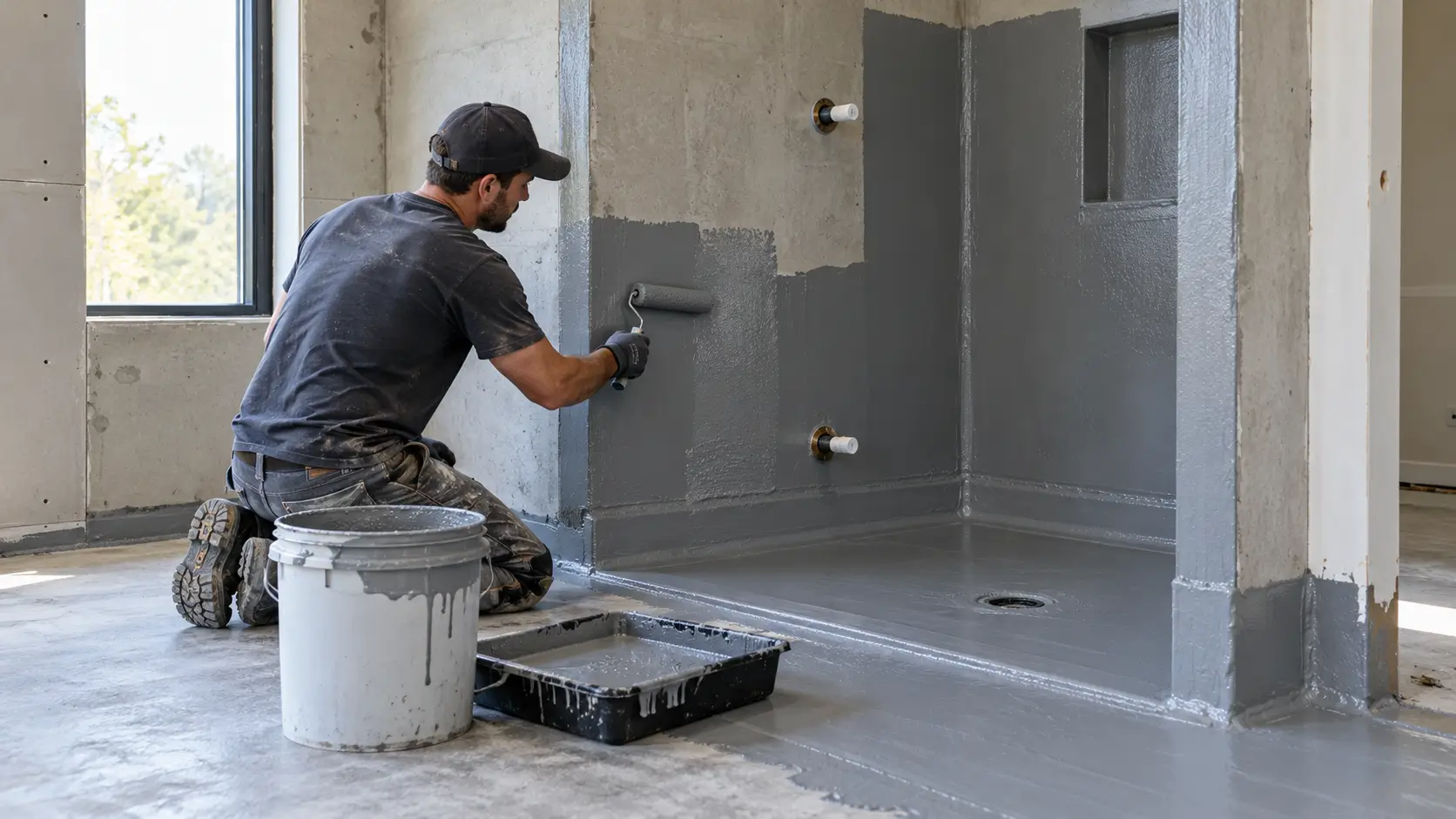
High-performance materials that are applied in liquid form to the terrace surface using brushes, rollers, or spraying machines, and which form a seamless, holistic, and flexible waterproofing layer after drying, are called liquid-applied products. These products take the complete shape of the surface, penetrating invisible capillary cracks and leaving no weak joints where water could leak. They adapt flawlessly to the architectural details, corner turns, and drain edges of the terrace.
Liquid-applied waterproofing products applied in the sector are divided into the following different groups according to their chemical infrastructure:
- Polyurethane-Based Liquid Products: They possess superior flexibility capacity, are resistant to the destructive UV rays of the sun, and have a structure that can be safely walked upon after drying.
- Acrylic Resin Systems: These are liquid membranes with fast-drying properties, an eco-friendly water-based structure, and easy adhesion to the surface.
- Cement and Acrylic Dual-Component Mixtures: Flexible mortars that provide excellent adhesion to concrete surfaces and exhibit unique resistance against negative and positive water pressure.
- Bitumen-Rubber Based Liquids: Thick-structured materials that offer extra elasticity and create a flawless water barrier on terrace floors that will remain under a top coating.
The most prominent advantage offered by liquid-applied products is the creation of a monolithic waterproofing shield on multi-cornered terraces.
Take action immediately with Dryfix liquid-applied waterproofing materials to put a permanent end to water leaks on your terrace and protect your structure against corrosion. This innovative liquid technology, applied directly to the floor surface with a brush or roller, creates a seamless, flexible, and impenetrable shield when dry, instantly stopping water passage even in the most challenging architectural details. Benefit from the high adhesion power of Dryfix before destructive rains cause further structural damage to your building, and secure your living spaces without wasting time.
What Is Membrane Waterproofing and What Are Its Types?
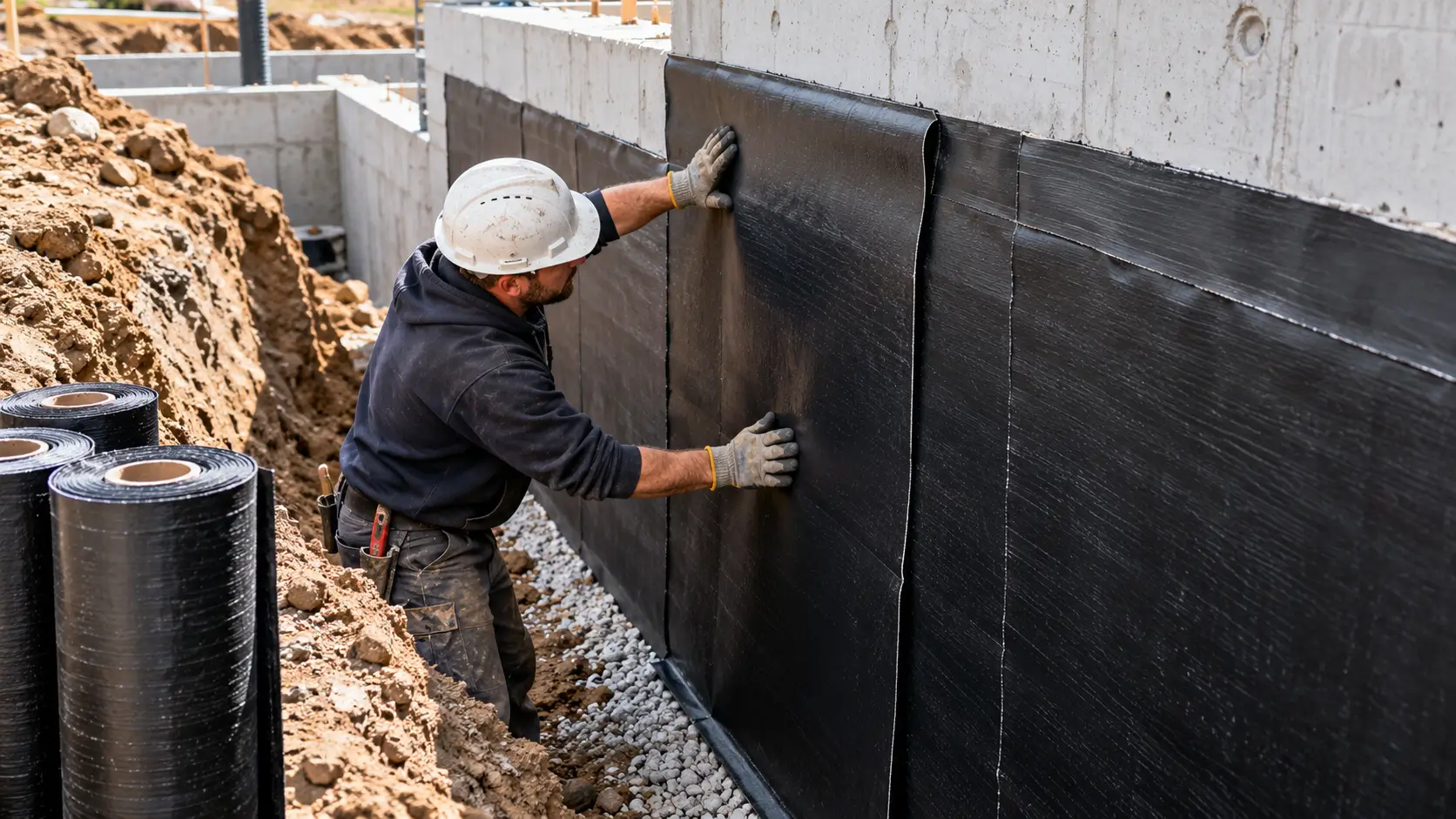
Membrane waterproofing consists of insulation sheets produced in factories in specific standard thicknesses and roll forms, laid on the terrace floor by melting with a blowtorch flame or using special industrial adhesives. This system creates a physical and impenetrable barrier on the surface, preventing water from reaching the lower layers of the structure. Because it is applied consecutively in rolls, it offers an extremely fast covering opportunity on large and flat terrace areas. Since the thickness of the material is constant, an equal level of waterproofing layer is achieved in every square millimeter applied.
Membranes possess different durability characteristics depending on their production materials and the chemical formulas they contain. Bituminous membranes are asphalt-based sheets reinforced with polymer additives and are adhered to the concrete surface using a blowtorch flame. PVC (Polyvinyl Chloride) membranes are welded together at their joints with hot air welding machines; their UV resistance is extremely high and they show superior performance against harsh climatic conditions. EPDM membranes, another alternative, are produced from synthetic rubber and maintain their form for many years thanks to their extraordinary stretching margin.
The active usage type of the terrace directly affects the correct membrane choice. For terraces that will not have pedestrian traffic and will remain open under the sun, slate-stone bituminous sheets or UV-resistant synthetic systems should be preferred. Heating and welding the roll junction points (overlaps) is the most critical stage of this job for the permanence of water impermeability.
Key Differences Between Liquid Insulation and Membrane
Liquid insulation systems and roll membrane coverings are sharply separated from each other in numerous aspects, from their structural forms to their application methods in the field. The physical working principles of the protective shield created by the two methods on the reinforced concrete surface are based on a completely different engineering foundation.
The table below presents a comparative look at the most critical technical features of these two popular waterproofing systems in the construction sector:
| Comparison Criterion | Liquid-Applied Waterproofing Solutions | Roll Membrane Waterproofing Systems |
| Physical Structure and Form | It is liquid at the time of application; it cures and sets by taking the shape of the surface. | They are factory-produced roll sheets, having a constant thickness at every point. |
| Joint (Overlap) Vulnerability | Creates a seamless, jointless, and monolithic pool layer when dry. | There are joints at the junction points where the rolls come side by side. |
| Local Repair Ease | Easily repaired by applying a new layer to the small damaged area with a brush. | Patching is cumbersome; water can travel from weak joints. |
| Architectural Detail Compatibility | Adapts flawlessly to chimney bases, drains, parapets, and corners. | Master workmanship becomes difficult in detailed, heavily indented, and multi-cornered areas. |
| Application Surface Conditions | Special types are available that can be applied to slightly damp concrete surfaces. | The floor must be completely dry, clean, and smooth; the weather must be rain-free. |
The conclusion that becomes clear in light of this technical table is: Liquid-applied systems stand out on terraces with complex details and plumbing outlets, while membrane coverings create a more balanced barrier on obstacle-free reinforced concrete roofs with massive square meters. Correct water drainage is the most vital element determining the lifespan of both systems.
Cost and Labor Performance Comparison of the Two Methods
The two main financial elements determining the total budget of the waterproofing project are the square meter unit price of the chosen material and the qualified master workmanship fee required for flawless application. The budget range for liquid-applied waterproofing materials is extremely wide. Standard cement-based liquid products draw an economical budget profile, while high-tech systems like polyurethane or polyurea rank in the upper segment in terms of initial material cost. The labor cost of liquid systems remains quite low thanks to the liquid form material being easily spread with rollers or pressurized machines.
In membrane waterproofing, the situation settles into a slightly different balance. The material production costs of standard bituminous roll membranes are quite affordable. Since they are quickly laid consecutively with a blowtorch flame on large and obstacle-free terrace areas, the amount of area completed daily is high; this speed lowers the total labor cost in large-scale projects. However, when long-lasting EPDM or UV-resistant thick PVC membranes are preferred, the material price of the project increases significantly.
When the labor risks harbored by the two methods in the field are compared, different pictures emerge. In membrane application, a master error directly results in the joints not being welded well, and water immediately leaks from there. A slight weakness at the junction points causes the entire insulation to lose its function. In liquid insulation, a potential master error manifests itself as the material not being spread in equal thickness on the floor surface. Spots left thin may lose their flexibility and crack over time.
The Most Practical Waterproofing Choice for Those Seeking a Quick Solution
For property owners experiencing water leak problems on their terraces and wanting to take urgent precautions before the heavy winter rains start, speed is the most critical planning parameter. Depending on the nature of the need and the shape of the space, the concept of practicality points to completely different insulation systems. If the terrace area to be repaired contains numerous ventilation chimneys, plumbing pipes, air conditioning units, drains, and indented-protruding corner details, the fastest solution is undisputedly liquid-applied products. With rollers or air-pressurized machines, all these complex details are covered seamlessly in seconds; the liquid material seeps into even the narrowest points, creating a protective shield.
On the other hand, if there is a completely flat surface with no obstacles on it, the size of an industrial facility roof or a large apartment terrace, roll membrane systems offer a much faster progression rate. Opening the wide insulation rolls side by side and joining them consecutively with heat treatment allows thousands of square meters to be covered in a very short time frame.
Another issue decision-makers seeking practicality must pay attention to is the current weather conditions. Liquid materials require a certain amount of time and ideal air temperature to chemically cure and set; they can never be applied on days with a risk of rain. Roll membrane sheets, provided there is a dry concrete floor, can be applied to the surface by masters with their heating blowtorch equipment even on cold winter days. The most accurate choice becomes clear at that sensitive intersection where the physical realities of the project and time pressure meet.