


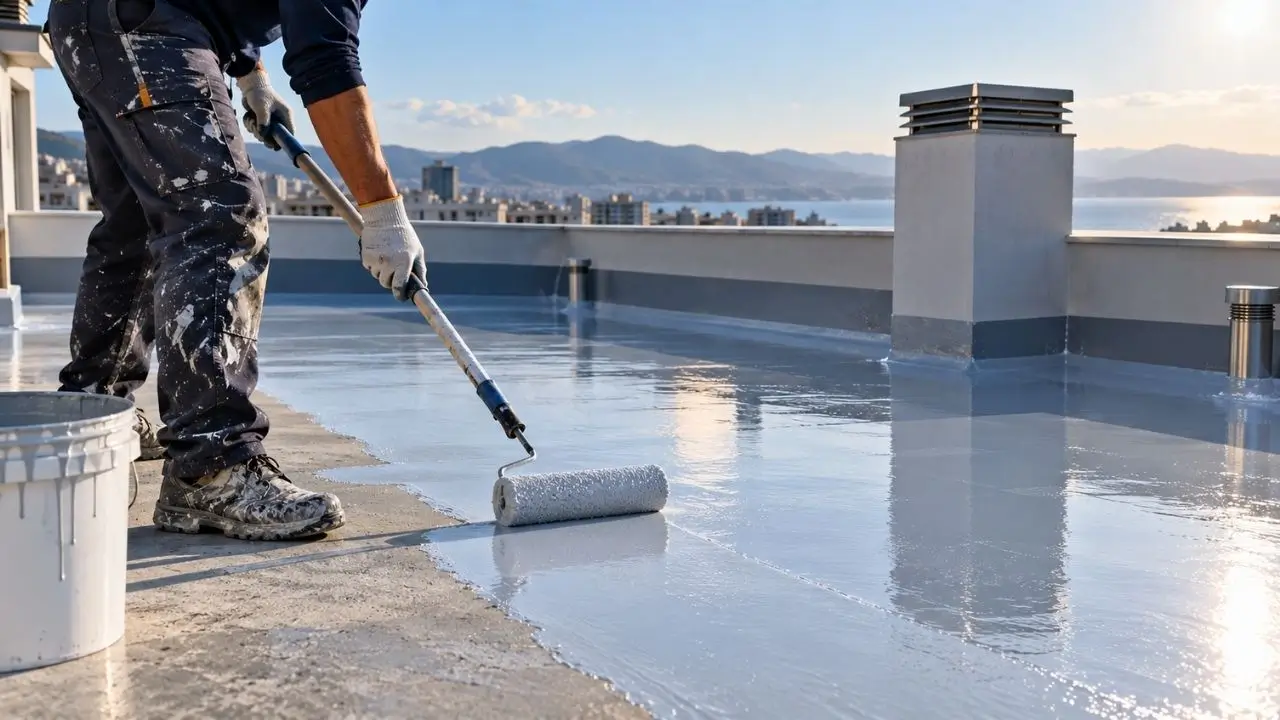
Water. It looks like the most innocent substance on earth. But when those tiny drops seep into a building's foundation, it turns into a silent monster that rusts the iron and crumbles the concrete. Years ago, when I first caught that damp smell in my own basement, I learned with a bitter renovation bill that this wasn't just an aesthetic flaw. Keeping things solid from the start is a must. Classic methods are exhausting. Torching membranes, carrying those heavy rolls up to the roof, overlapping the joints and praying they don't leak is a huge hassle. Liquid insulation systems, which have no joints and cling to the surface like a tick, are the saviors of this tiring shift. Applied to the surface with a roller, brush, or spray, it aggressively penetrates every pore of the concrete. It creates a monolithic armor. Water has no mercy. The moment you leave a margin of error the size of a pinhole, it finds that flaw months later and punishes your walls.
Choosing the right material is a confusing, massive labyrinth. There are dozens of brands and hundreds of shiny-labeled tins on the market. They all promise miracles. Lies. The cure for every surface, structure, and climate is different. If your terrace is burning under the scorching summer sun, you need one thing; if you have a retaining wall constantly exposed to acidic water underground, you need an entirely different chemistry. You have to figure out the math of the job. There is no magic potion called the absolute perfect liquid waterproofing material; there is only the right chemistry applied to the right place. Falling for the sweet words of salesmen and returning home with the wrong bucket is throwing your money in the trash. Let's put the four fierce competitors that stand out with their quality on the table. Let's see which one will be the cure for your headache.
1. Polyurea and Hybrid Polyurea (Top-Tier Waterproofing)
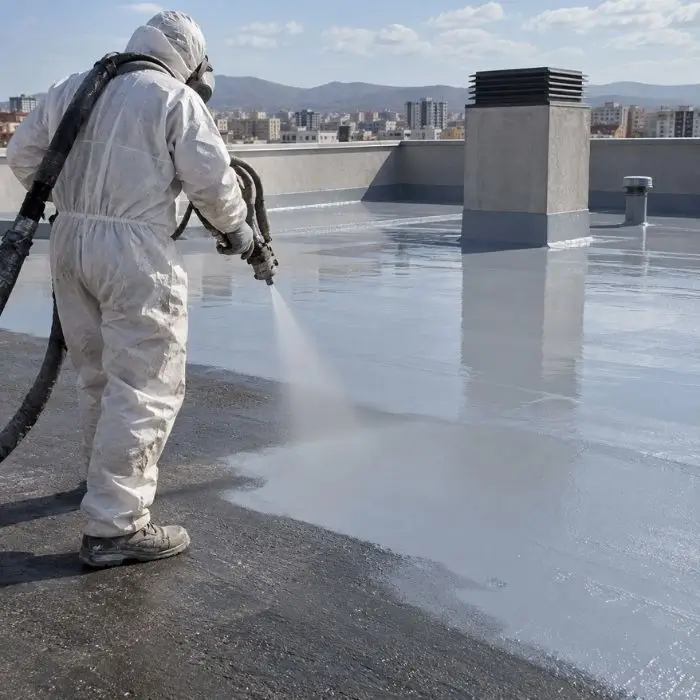
This duo are the heavyweight champions of the insulation world. Seconds. It cures in mere seconds. The moment it is sprayed under pressure with special machines, it forms a plastic, impenetrable armor on the surface. Polyurea is a shield incredibly resistant to abrasion and tearing. You could drive your car over it, or take a sledgehammer and smash it, and it wouldn't even flinch. It creates a virtually invincible layer in pools, stadium grandstands, and giant terraces. But pure polyurea is expensive. It shakes the budget to its core, leaving the homeowner deep in thought.
Right at this point, hybrid polyurea comes to the rescue. Manufacturers added some polyurethane into the mix and reined in the cost. A clever formula that protects the wallet without making huge compromises on its durability and immense strength. Among liquid waterproofing applications, seeing this material on industrial roofs, massive water tanks, or parking lot floors is not surprising. It maintains its flexibility even in minus degrees, in freezing weather. When the concrete shrinks and cracks in the winter cold, the polyurea layer on top bridges that crack by stretching. It doesn't snap.
A small, vital warning. You cannot use this material in DIY projects saying, "I'll handle it over the weekend." It requires a serious, expensive equipment park involving two components and hot spraying. In the hands of an inexperienced novice, it has a high probability of turning into a complete disappointment. Surface preparation must be flawless. Polyurea sprayed on damp, un-dusted concrete will blister and peel like a balloon the next day. Don't throw your money out on the street. It is not a hobby job that can be done by renting a machine off the internet. You absolutely must find a real expert who will grind the surface and apply the primer correctly.
Don't sit helplessly waiting for those heavy bills that water leaks will cut for your building. Meet the invincible armor of Dryfix polyurea waterproofing that integrates with the surface in seconds, and entrust your insulation projects to a definitive solution, not to chance.
2. Polyurethane Liquid Membranes (UV Resistance and Flexibility)
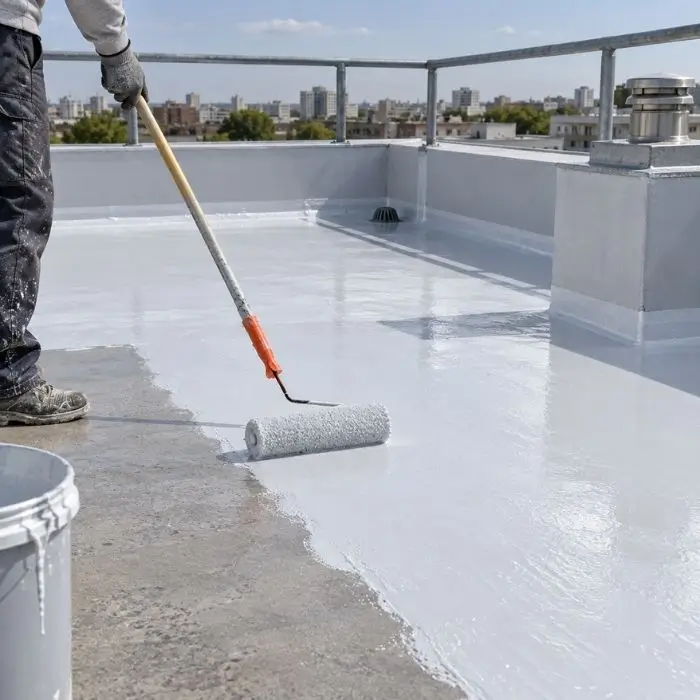
The sun. The most insidious, exhausting enemy of countless insulation materials. You have probably seen black insulation materials on the roof virtually melting and changing shape in the skin-burning heat of summer, and shrinking and cracking towards winter. Polyurethane liquid membranes were specially designed in laboratories to emerge victorious from this relentless war. Thanks to their aliphatic structures acting as an invisible shield against ultraviolet rays, they do not yellow or chalk. Being applied with a roller provides incredibly immense convenience. You can insulate your home's wide terrace in your spare time, just like painting. A bit tiring, of course. Your arm muscles will ache the next day. But seeing that seamless, jointless, gum-like flexible surface at the end of the job takes all the exhaustion away.
| Feature Category | Polyurethane Liquid Membrane Performance |
| Sunlight (UV) Resistance | Outstanding (No color fading or degradation in aliphatic types) |
| Flexibility (Elongation at Break) | Between 400% and 600% band |
| Application Practicality | Mid-Level (Applied with a brush, thick roller, or airless gun) |
| Useful Lifespan | 10-15 Years (When correct thickness is achieved in layers) |
An absolute master at filling capillary cracks and sealing the surface. As liquid insulation layers are stacked in the correct thickness, even if your terrace turns into a massive rain pool during a storm, not a single drop will leak to the floor below. There is a very critical, subtle detail to pay attention to. The waiting time between coats. If you rush and apply a new one over a wet, uncured layer, the solvent inside gets trapped in the bottom coat. While trying to get out, it pops tiny pinhole-like pores on the surface. That microscopic gap is more than enough for water to stealthily march into the concrete. Patience. When applying polyurethane, the most valuable thing in your toolbox is patience.
Don't risk your insulation, armor your terrace immediately with Dryfix polyurethane-based waterproofing. Discover the most suitable solution for your project now to meet this flawless, seamless shield that doesn't melt in the scorching heat of the sun and maintains its flexibility even in freezing cold.
3. Bitumen-Based Liquid Membranes
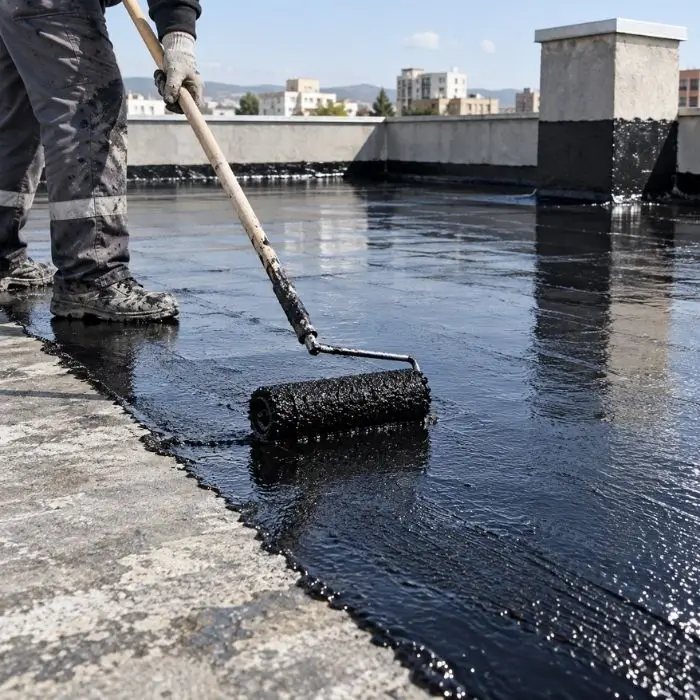
Underground. Out of sight, dark, ice-cold, and intensely damp. Foundations, massive retaining walls, elevator shafts, outer curtains of basements. Aesthetic concerns are not sought here. Shiny surfaces and beautiful colors matter not a bit. Raw power and a stubborn grip are required. Bitumen-based, rubber-added liquid membranes are the undisputed kings of this underground world. It is pitch black. It coats the applied area like a thick, impenetrable layer of pitch. It is one of the liquid waterproofing chemicals with the deepest roots on construction sites. It is cheap. It yields a lot. With one giant tin, you can cover massive areas with a pitch-black armor in seconds.
Why is it still so indispensable in foundation waterproofing? The answer is actually hidden in its heavy, sticky chemistry:
- Economic Shield: Even in large-scale luxury housing projects, covering those massive foundation areas requires a serious budget. Water-based bitumen emulsions pull the total insulation cost down incredibly.
- Resistance to Chemicals in the Soil: Groundwater is not as pure and innocent as you think. It has sulfates, chlorides, and acids coming from rotting roots in the soil. Bitumen builds a thick wall against these acidic, corrosive attacks.
- Stubborn Adhesion to Damp Surfaces: Its solvent-free, water-based versions adhere with perfect stubbornness even to freshly poured, slightly wet concrete surfaces that haven't fully dried yet.
- Bridging Joints and Cracks: Thanks to the elastomeric rubber added during the production phase, it stretches as the building settles. Even if the concrete floor splits, the bitumen stretches like gum in that gap, resisting tearing.
If you bring it out into the sun, into the open air, it will be a complete fiasco. Its UV resistance is practically zero. In the summer heat, it melts, getting gooey and un-steppable. You can trust it blindly in all areas that won't see the sun, will be covered with soil, and will stay in the dark. It is an old-school material, but it does its job on the site flawlessly.
Seal your foundations against the rotting dampness of the underground with a thick, pitch-black armor using Dryfix bitumen-based waterproofing. Take action immediately to secure your project permanently, without waiting for the heavy bills water will inflict on your structure.
4. Cement and Acrylic-Based (Fully Elastic) Liquid Waterproofing
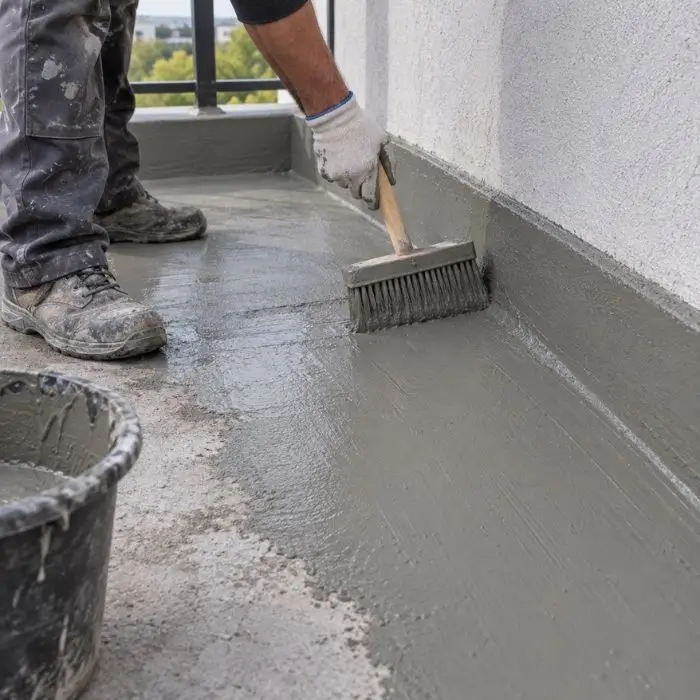
The bathroom, toilet, or kitchen balcony. If ceramics, tiles, or marble are getting involved, all the rules of the game change entirely. What they apply to the gray concrete before the tile master comes and lays those heavy materials is more valuable than the tile itself. Manufacturers formulate cement and acrylic resin in the factory, obtaining a wonderful, flexible insulation mortar. It is not mixed with regular tap water, but with its own special white liquid that comes out of the jerrycan. When this two-component mixture is fed into the concrete with a large brush, the complexion of the job changes. It doesn't just cling to the concrete like a superficial tape. It enters a chemical reaction and becomes an inseparable part of it.
There is an architectural plague called negative water pressure in the construction sector. The situation where water tries to push through the concrete from the exact opposite side to reach the surface. Countless liquid insulation materials sold on the market cannot withstand this pressure coming from the reverse direction; they swell and pop off the wall like a balloon. Correctly formulated crystallized cement-based products, however, work differently. It seeps into those invisible capillary voids inside the concrete along with the water, crystallizing like glass right there. It blocks the water's path from the very inside. Its fully elastic formulas skillfully hide the capillary cracks arising from building movements and minor tremors. If ceramics are going to be applied on top, there's no need for an adventure.
Without waiting at all, you can apply ceramic adhesive directly onto the surface. The main reason masters haven't been able to give up on this product for years is this rough texture. It doesn't ask for another gripping primer, a sandy layer, or plaster mesh in between (except for corner and chamfer joints). Its application is like a thick-consistency, tiring paint job. You can grab a small kit from the local hardware store and stop the leak in your own bathroom even over the weekend. Don't neglect applying the brush strokes top-to-bottom on the first coat, and crosswise right-to-left on the second. Let there be not a single open microscopic door left for the water to seep through and march to the floor below. It's no joke. You don't want to see a yellowed, blistered damp patch on the downstairs neighbor's ceiling, and subsequently listen to endless doorbells ringing.
Shatter water's dreams of seeping into the concrete at the very first brush stroke with the fully elastic armor of Dryfix cement-based insulation. Open your bucket today to invest in years of peace and solidness, not in the never-ending complaints of your downstairs neighbor.