


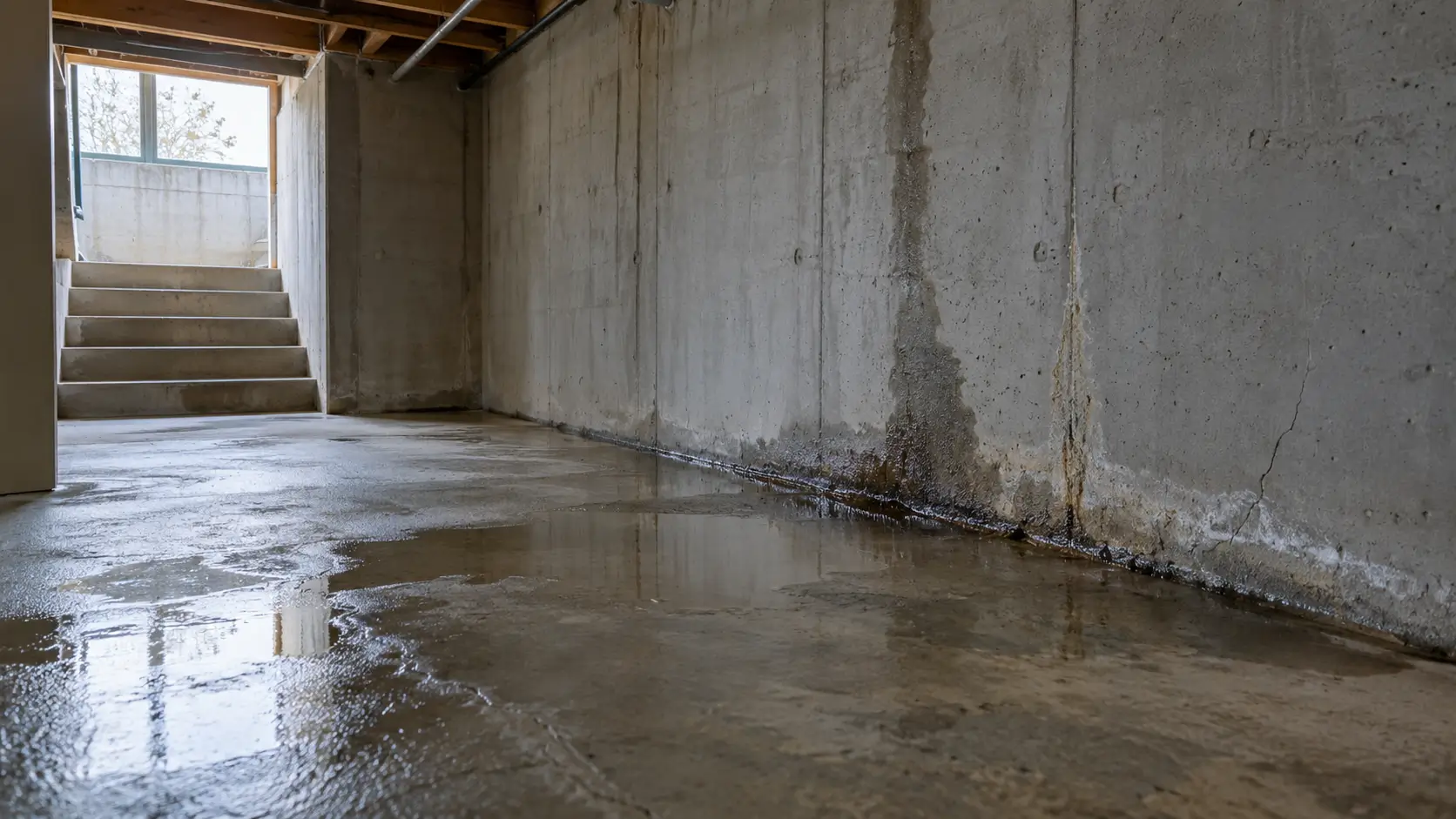
Basements, located at the lowest level of structures, are the areas most affected by environmental factors, soil moisture, and meteorological events. Water leaks, turning into a massive nightmare for homeowners and building managers, pave the way for the rotting of building materials, rusting of iron reinforcements, and weakening of the building's load-bearing system. This situation is not limited to financial damages; it directly threatens human health through bad odors, dampness, and mold spores produced indoors. Mold and moisture rank among the primary factors triggering respiratory tract ailments.
Analyzing the source of water leaks accurately is the first and most crucial step in producing a permanent solution. Incorrectly identified problems recur in a short time with temporary repairs and lead to exponentially increasing costs. In this regard, examining the main factors causing water leaks in basements deeply and understanding the physical mechanism behind each is absolutely essential to extend the building's lifespan.
1. Inadequate or Damaged Exterior Foundation Concrete Waterproofing

Foundation concrete walls surrounding the base and basements of buildings are in direct contact with the soil. Exterior insulation systems applied during the construction process act as a critical barrier to prevent moisture and water in the soil from seeping into the building. However, material selection errors or application flaws made during the insulation phase cause this barrier to completely lose its function. The quality of the insulation layer is the most fundamental element directly determining the water resistance of the structure.
The craftsmanship shown during the application holds immense importance, equal to the quality of the insulation layer itself. When brush-applied bitumen-based materials, membrane sheets, or liquid rubber systems are not applied flawlessly, even the smallest gap creates a sufficient path for water to enter. Mistakes made particularly at corner joints, the base joints of foundation walls, and insulation seams destroy the integrity of the protective layer in an irreparable way.
Soil settlements, earthquakes, or the displacement of fill materials around the foundation occurring over time lead to tears and cracks in the existing insulation layer. These physical impacts coming from the outside cause the protective shield to be punctured. Consequently, underground water easily seeps inside through the basement walls using these openings and creates permanent wetness on the wall surfaces.
2. Groundwater and Hydrostatic Pressure
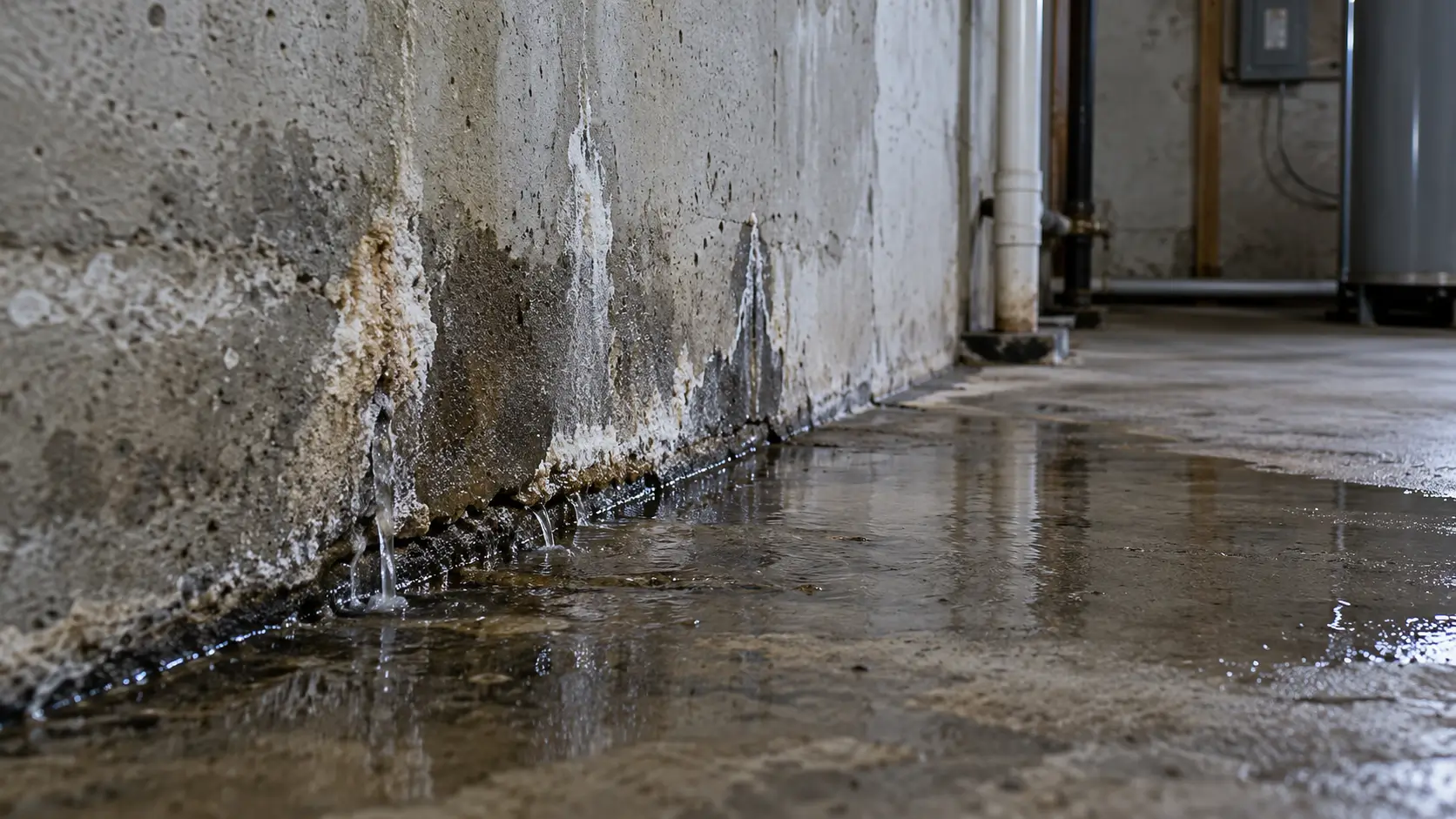
In regions with high groundwater levels, the soil reaches saturation and exerts a massive physical force against the basement floor and walls. This dynamic force, called hydrostatic pressure, ensures that water is pushed inside through even the smallest capillary cracks. The joints between the foundation concrete and the walls stand out as the first weak points taking in water under this pressure and disrupt the balance of the structure.
The following table details the physical symptoms emerging in the basement in relation to the intensity of the hydrostatic pressure:
| Pressure Level | Water Entry Point | Resulting Physical Symptom |
| Low Pressure | Capillary concrete cracks | Slight dampness and sweating on wall surfaces |
| Medium Pressure | Floor-wall joint seams | Puddles and water pooling at the floor corners |
| High Pressure | Voids under the floor concrete | Water streams gushing or leaking from the basement floor |
As understood from this table, the way water enters is directly proportional to the magnitude of the applied pressure. Setting up drainage pumps or sub-foundation drainage systems is mandatory to lower the groundwater level and completely eliminate this pressure.
3. Clogged or Inadequate Drainage Systems (French Drain, etc.)

Drainage systems placed around structures are designed to divert accumulated rain and groundwater away from the building. These systems, called French drains, safely discharge the water to a distance thanks to gravel layers and geotextile fabrics laid around the pipes. When these systems do not receive regular maintenance or are designed incorrectly, they completely lose their function and become unable to protect the structure.
The main reasons for drainage systems becoming inadequate or clogged can be summarized with the following items:
- Pipes filling up with soil sediment, mud, silt, and sand over time.
- Tree roots damaging the drainage pipes by breaking them or clogging their joints.
- Inability to discharge water due to incorrect calculation of the pipe slope during the project phase.
- Insufficient water flow capacity due to the use of pipes with inappropriate diameters.
- Drainage system exit points not being connected to the manholes correctly.
These disruptions in the drainage pipes cause water to be trapped around the foundation of the building. This trapped water is absorbed into the concrete, causing serious water leaks and structural dampness in basements.
4. Damaged Roof Gutters and Rainwater Downspouts

Gutter systems, which safely transfer rainwater draining from roofs to the sewage or manhole, directly affect the dryness rate of basements. Leaves, branch pieces, and dirt layers accumulating in roof gutters completely block water discharge. The un-discharged rainwater overflows from the gutter edges and starts flowing directly toward the exterior facade of the building and the foundation walls.
Rainwater downspouts being broken, punctured, or separated from their joints trigger a similar disaster. Tons of water leaking from the pipe or pouring directly at the base of the foundation quickly saturates the soil around the building with water. When the soil becomes saturated, an extreme load is placed on the insulation of the exterior foundation concrete, and water seeps into the basement from the weakest point.
To prevent this problem, it is essential to clean the roof gutters regularly and direct the downspouts at least one and a half to two meters away from the building foundation. Preventing water from pouring at the edge of the foundation is one of the simplest yet most effective interventions in protecting basements against flooding.
5. Leaks in Plumbing Pipes (Clean or Wastewater)
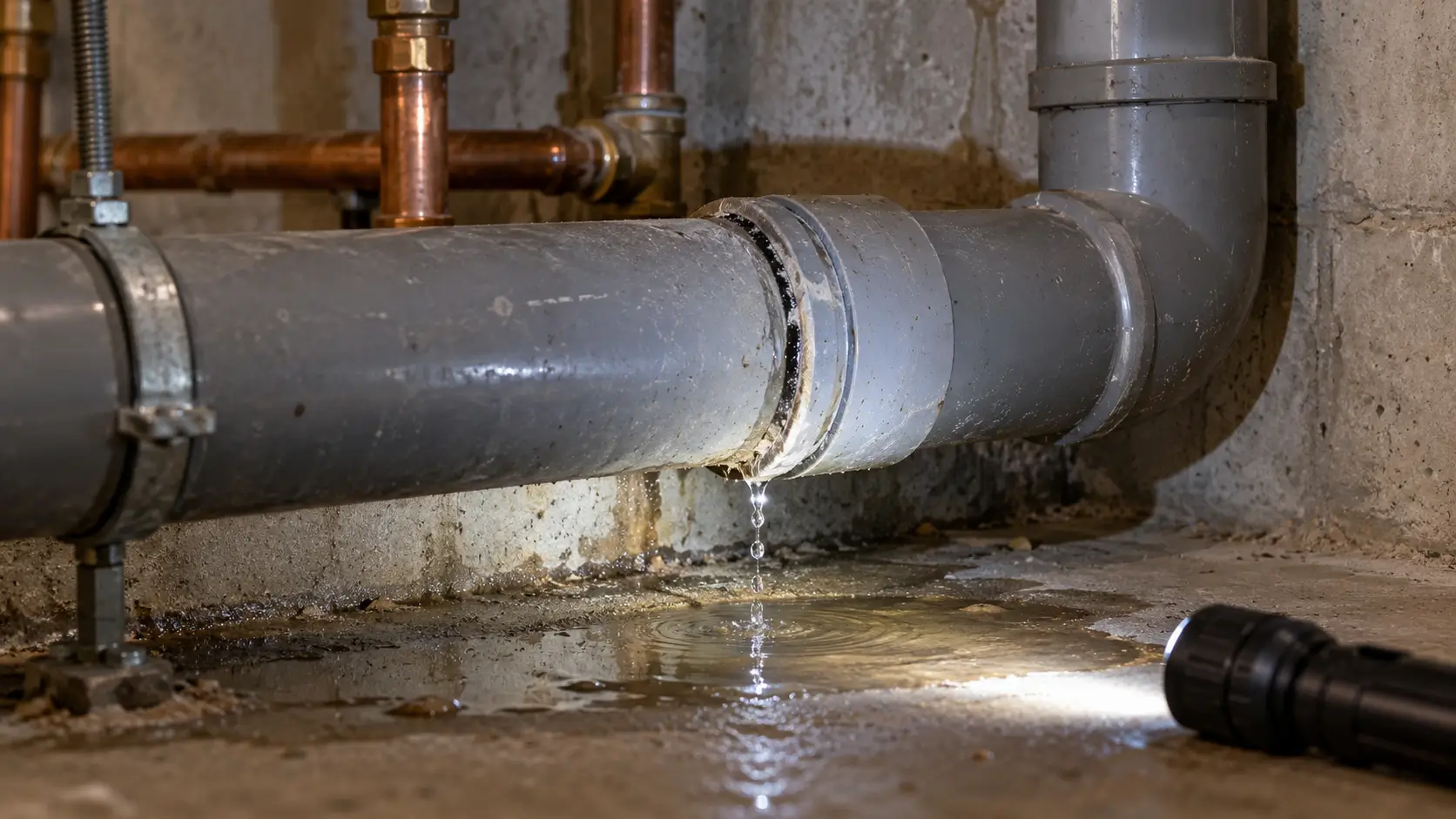
Besides external water leaks, malfunctions occurring in the internal plumbing of the building also lead to water puddles in basements. Bursts in clean water lines or cracks in wastewater pipes produce a constant water leak independent of outside weather conditions. Blockages in the main drain pipes passing through the basement or the aging of their gaskets cause sewage water to fill the basement floor.
Detecting plumbing-related leaks requires a more complex process compared to incoming groundwater from the outside. These hidden leaks, which cannot be noticed without using acoustic listening devices and thermal cameras, pave the way for the rusting of iron inside the concrete and the gradual decrease of structural strength. Whether the leaking water originates from clean water or wastewater can be easily distinguished by its smell and color.
To prevent such malfunctions, it is vital to periodically inspect aging iron or PVC pipes and put them through pressure tests. Plumbing renovation works radically solve internally sourced water leaks seen in basements and directly protect the building's lifespan.
Do not wait any longer to put a permanent end to water leaks and dampness problems in your basement! Secure the foundation of your building with advanced Dryfix waterproofing technologies, and make your living spaces peaceful and healthy again with bulletproof protection.