


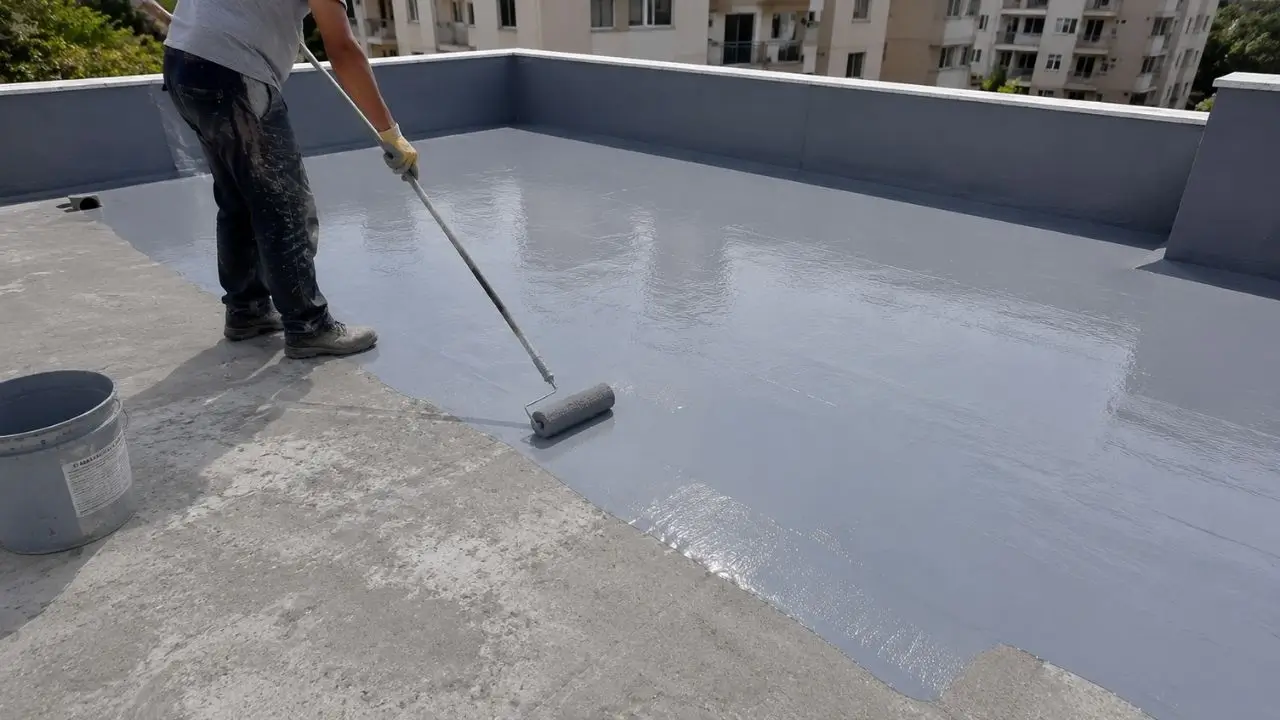
Polyurethane waterproofing is a highly effective, flexible, and durable solution used to protect flat roofs, balconies, and decks from moisture damage. However, despite its superior elastomeric properties, polyurethane coatings can fail when installation guidelines or environmental conditions are overlooked. Understanding the most common issues during application helps contractors and property managers avoid costly repairs, structural damage, and premature surface degradation.
Proper surface preparation, correct ambient temperature, and controlled moisture levels are essential for achieving a long-lasting, seamless membrane. When these conditions are not met, problems ranging from micro-punctures to complete surface detachment can occur. This guide explores six widespread polyurethane waterproofing issues, analyzing their root causes, identifying visible symptoms, and detailing actionable prevention methods to ensure a flawless liquid membrane installation.
1. Blistering and Bubbling
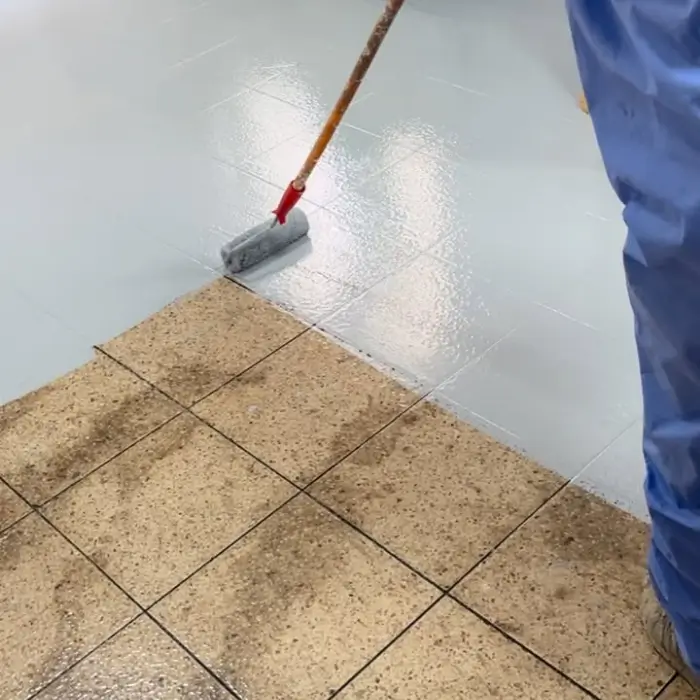
Blistering occurs when trapped gas or moisture expands beneath or within the liquid-applied polyurethane layer, creating raised, dome-shaped pockets. This issue typically stems from residual moisture inside the concrete substrate that vaporizes under warm weather conditions, exerting upward pressure on the curing membrane. Alternatively, mixing multi-component polyurethane systems at excessively high speeds introduces air into the liquid mixture, which becomes trapped as the coating cures, leading to surface bubbles.
The visible presence of hollow domes compromises both the aesthetic appearance and structural integrity of the membrane. Over time, physical foot traffic or thermal expansion causes these thin-walled blisters to pop, exposing the underlying substrate directly to water ingress. Left unaddressed, localized bubbling escalates into widespread adhesion failure, destroying the continuous protective seal required for effective liquid waterproofing systems.
- Substrate Moisture Testing: Always verify that concrete moisture levels are below 4% before applying polyurethane primers or base coats.
- Low-Speed Mixing: Mix multi-component polyurethane products using a low-speed drill (300 RPM) to prevent introducing unwanted air bubbles into the mixture.
- Proper Priming: Apply a suitable epoxy or polyurethane primer to seal concrete pores and block rising damp vapor transmission.
- Avoid High Heat Application: Schedule liquid membrane application during cooler times of the day to prevent rapid outgassing caused by direct sunlight.
2. Delamination and Peeling
Delamination describes the complete separation of the polyurethane membrane from the underlying substrate or between consecutive coating layers. The primary cause is inadequate surface preparation, such as failing to clean dust, oil, grease, or laitance from concrete surfaces prior to application. Furthermore, inter-coat delamination occurs when the maximum re-coat time window is exceeded without applying an appropriate solvent or re-priming the existing layer.
When a polyurethane membrane loses its bond, it peels away in large sheets, rendering the entire waterproofing system useless against water penetration. Water can easily flow beneath a delaminated coating, traveling horizontally and leaking into lower building levels far from the initial point of failure. Restoring delaminated areas requires complete removal of the detached section and extensive surface prep before reapplying the system.
| Cause of Failure | Primary Symptom | Prevention Strategy |
| Poor Surface Prep | Sheet peeling, complete bond loss | Mechanical grinding and thorough dust extraction |
| Exceeded Re-coat Window | Separation between membrane layers | Light sanding and solvent wiping before topcoat |
| Contaminated Substrate | Localized peeling patches | Degreasing and chemical cleaning prior to priming |
3. Pinholing
Pinholing is the appearance of tiny, needle-sized punctures scattered across the cured polyurethane coating surface. This defect occurs primarily when liquid polyurethane is applied over highly porous, unprimed concrete, causing air within the substrate pores to escape upward through the wet coating. Additionally, rapid solvent evaporation from overly thick wet film applications can leave microscopic voids behind as the liquid cures.
Although pinholes appear small and insignificant, they create direct pathways for moisture to migrate into the structural floor or roof slab. Over time, water penetrating through these micro-voids leads to concrete rebar corrosion, internal efflorescence, and substrate decay. To repair pinholed membranes, applicators must sand down the surface, clean out dust, and apply an additional thin layer of polyurethane coating.
- Thorough Priming: Seal open concrete pores completely with a low-viscosity primer before laying the main liquid waterproofing layer.
- Correct Thickness Control: Avoid applying excessively thick single coats; build up thickness gradually using multiple thin passes.
- Squeegee Application: Use a notched squeegee combined with a spike roller to release trapped air pockets before curing occurs.
4. Cracking and Splitting
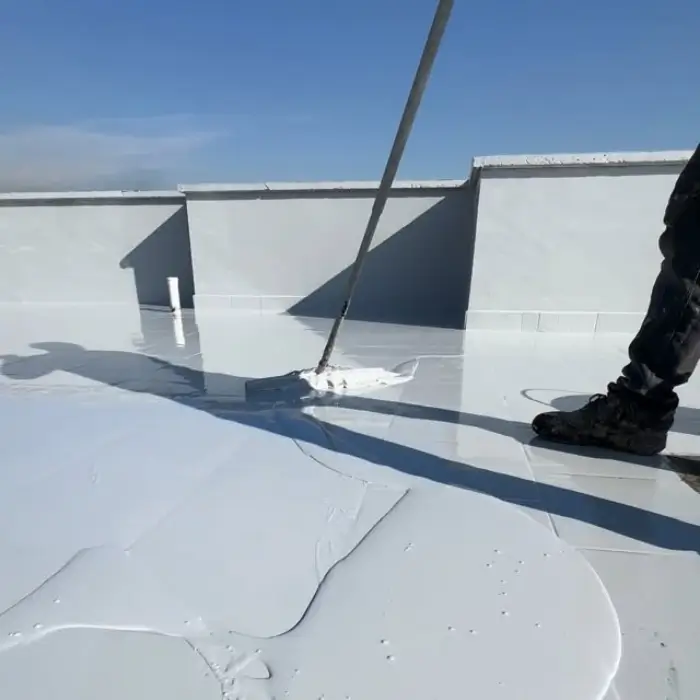
Polyurethane coatings are valued for their exceptional elasticity, yet they can still crack or split when subjected to extreme conditions. Membrane cracking usually happens when structural movement exceeds the coating’s elongation capacity, particularly over unreinforced expansion joints or pre-existing concrete cracks. Additionally, applying non-UV-resistant polyurethane formulations in areas exposed to harsh sunlight causes the material to embrittle and crack over time.
Split membranes immediately compromise building envelope security, allowing bulk water to pass through into the structure beneath. Cracks often start as hairline fractures near high-stress areas like corners, flashings, and wall joints, gradually expanding under continuous thermal expansion and contraction cycles. Repairing structural cracks requires applying detail reinforcement, such as polyester mesh embedded within an extra elastomeric polyurethane layer.
- Detail Joint Reinforcement: Embed flexible reinforcement fabric or tape into the polyurethane membrane across all construction joints and active cracks.
- Select High-Elongation Products: Use liquid polyurethane formulations offering at least 400% elasticity to accommodate building structural movements.
- Incorporate UV Topcoats: Protect aromatic polyurethane base membranes by applying an aliphatic, UV-stable polyurethane topcoat in exposed areas.
5. Incomplete Curing and Tacky Surface
Incomplete curing results in a soft, sticky, or permanently tacky polyurethane surface that fails to harden properly. This problem commonly stems from incorrect mixing ratios in two-part polyurethane systems or insufficient moisture levels required for one-part moisture-curing polyurethanes. Additionally, applying liquid coatings in temperatures below the manufacturer’s recommended threshold severely delays the chemical cross-linking process.
A tacky membrane cannot support foot traffic, pick up dirt and debris easily, and remains vulnerable to chemical and physical damage. Wet or uncured polyurethane layers wash away under rainfall, causing severe environmental contamination and complete loss of waterproofing functionality. Resolving incomplete curing usually requires scraping off the soft material, cleaning the area with solvents, and starting the application process fresh.
- Precise Mixing Ratios: Always weigh or measure two-component polyurethane parts precisely according to the manufacturer's technical datasheet.
- Monitor Ambient Conditions: Avoid applying moisture-cure polyurethane in extreme dry conditions or low temperatures below 5°C (41°F).
- Check Shelf Life: Never use expired polyurethane products, as age can degrade the catalyst and prevent proper chemical cross-linking.
6. Chalking and UV Degradation
Chalking refers to the formation of a fine, powdery residue on the surface of cured polyurethane caused by ultraviolet radiation exposure. Aromatic polyurethane coatings are particularly susceptible to UV degradation, which breaks down the chemical bonds on the surface over time. As degradation continues, the membrane gradually loses its flexibility, tensile strength, and original color, turning brittle and faded.
Progressive chalking thin outs the waterproofing membrane, reducing its overall thickness and compromising long-term durability. Left unprotected, UV-damaged polyurethane eventually develops micro-cracks and loses its seamless water barrier capabilities. Preventing chalking requires understanding the chemical differences between aromatic base coats and aliphatic topcoats during the specification stage.
| Feature | Aromatic Polyurethane | Aliphatic Polyurethane |
| UV Resistance | Poor (requires protective topcoat) | Excellent (color stable & non-yellowing) |
| Primary Application | Base membrane coat, subterranean work | Exposed topcoat, UV protection layer |
| Durability in Sunlight | Chalks and embrittles over time | Retains flexibility and gloss long-term |
Secure your building's future against the toughest weather conditions with Dryfix polyurethane waterproofing systems. Experience ultimate durability and seamless protection that outlasts the competition. Choose Dryfix today to permanently seal your surfaces and eliminate moisture problems once and for all!