


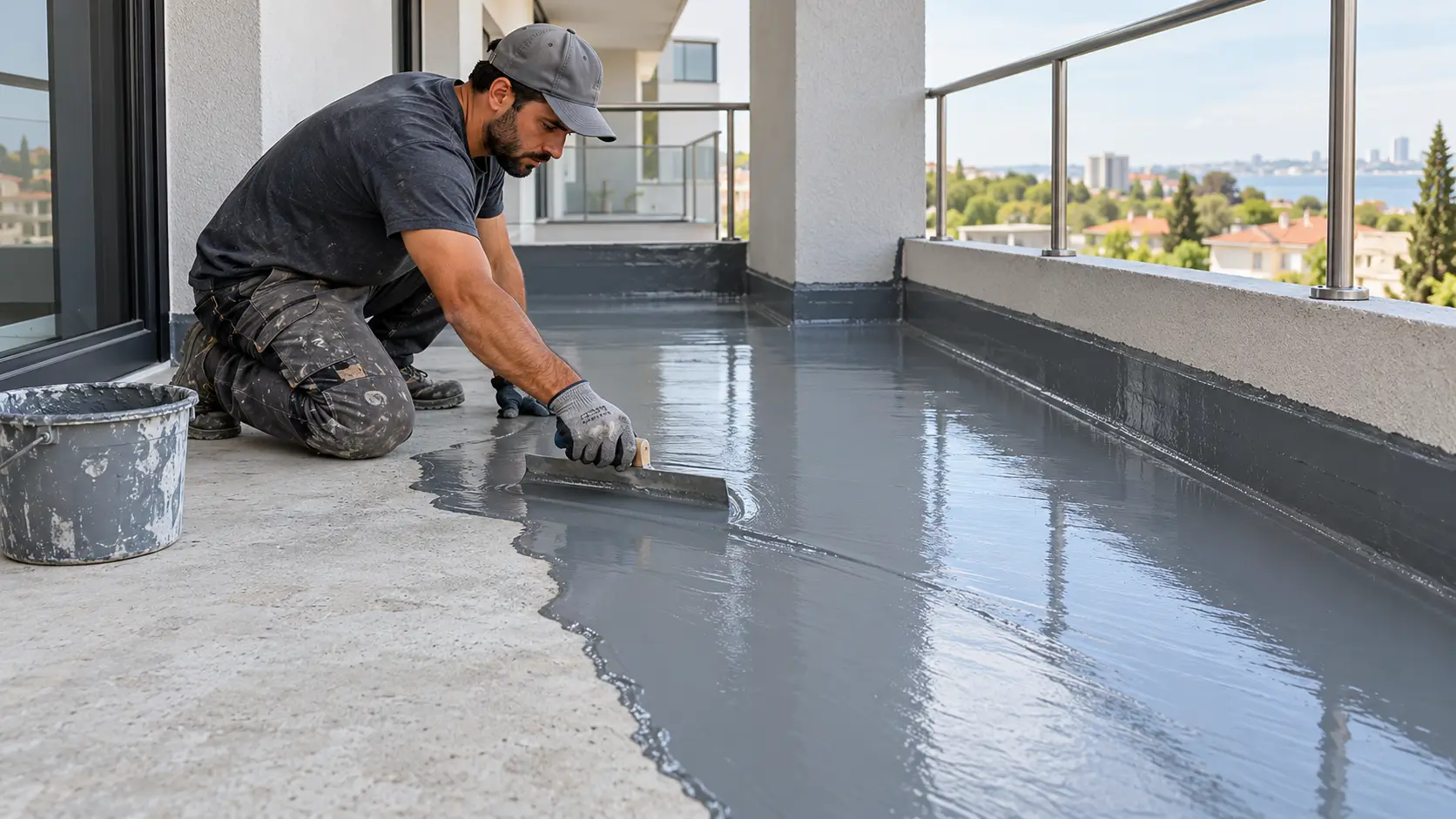
Waterproofing, which extends the lifespan of buildings, protects the load-bearing systems, and directly affects the comfort of living spaces, is the most critical stage of construction and renovation processes. Without proper waterproofing, the foundation, columns, and beams of the structure suffer corrosion, the iron reinforcement inside the concrete rusts and loses its strength, and serious health problems such as mold, dampness, and fungus emerge indoors. When handing over this vital process to a professional insulation company, establishing a solid legal foundation is essential for the flawless execution of the process. A detailed contract signed prior to application is the absolute key to solving all technical and financial problems that may arise in the future. It is a major necessity for property owners to secure the legal aspect of the work rather than simply leaving it to the craftsmen.
Focusing solely on the lowest price quote when selecting a waterproofing company leads to massive financial losses that are extremely difficult to compensate for in the coming years. Documenting the warranty conditions in all their details during the contract phase fully protects the property owner's rights. In the event of a potential water leak, it must be clearly defined exactly who holds the legal responsibility, which climatic conditions or physical interventions fall within the warranty limits, and the company's response times for repairs. Even a single missing, vague, or open-to-interpretation clause in the contract paves the way for your grievance to last for years and forces you to pay the insulation costs out of your pocket all over again.
What Should the Ideal Warranty Period Be in Waterproofing?
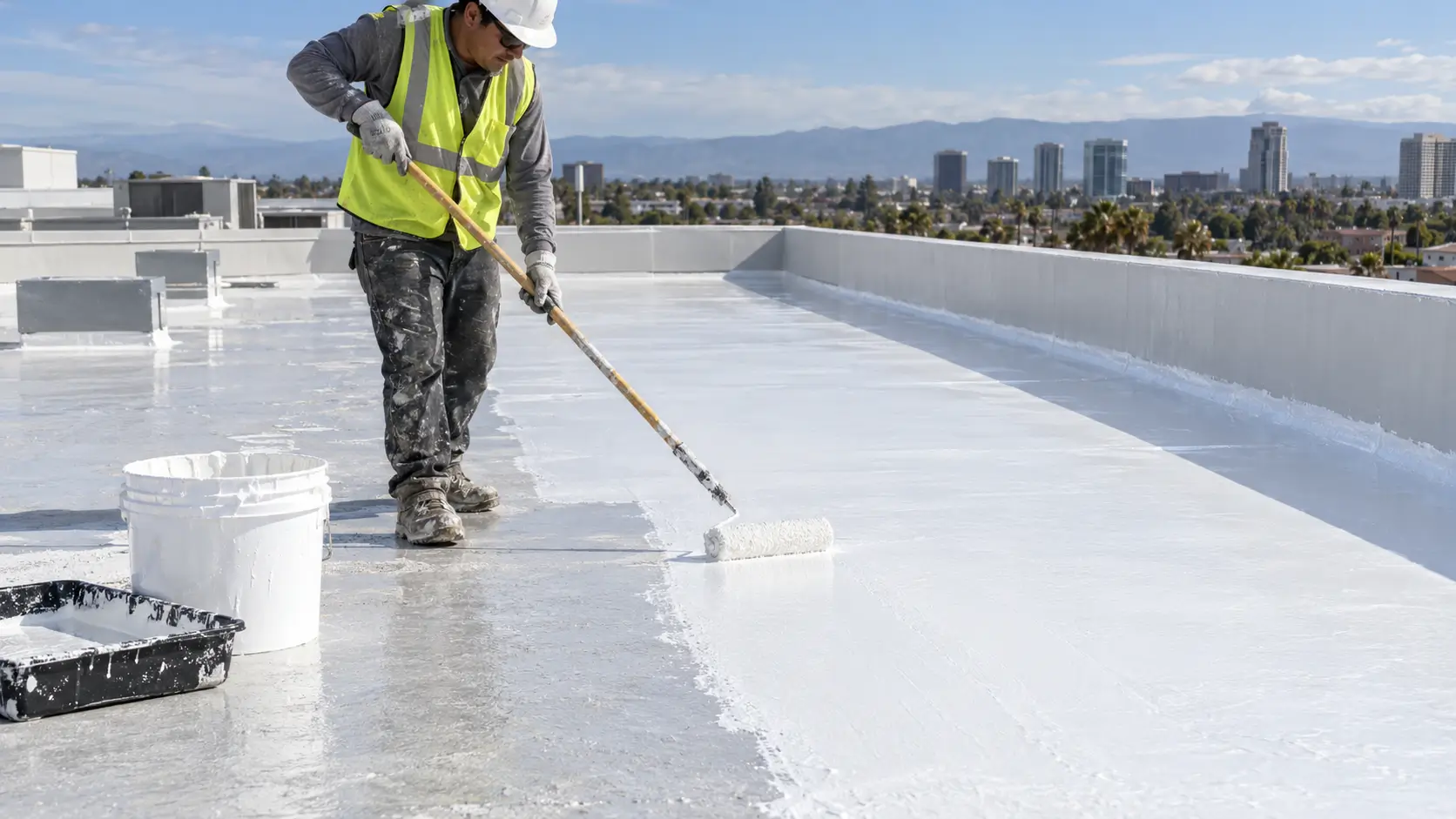
The warranty period committed in waterproofing projects varies depending on the chemical structure of the material used, its elasticity coefficient, and the harsh physical conditions of the application area. Warranty periods offered for completely different dynamic areas such as terraces, foundations, shear walls, pools, or wet areas should not be treated equally. For areas that remain underground like foundation waterproofing or shear walls, where post-construction repairs incur massive excavation costs, very long-term warranties equivalent to the lifespan of the building must be demanded.
Keeping the warranty periods added to the contracts well above minimum legal regulations is a clear indicator of the firm's unwavering trust in the workmanship of its own crew and the product used on-site. Standard short periods of a few years encountered in the industry fall extremely short for high-quality polyurethane, polyurea, or liquid-based professional waterproofing. Extending this period up to ten or fifteen years in contracts made with well-equipped companies maximizes your legal protection.
When drafting the contract, record the exact start date of the period with an indisputable statement, such as "the day the work is fully delivered" or "the moment the provisional acceptance report is signed by both parties." Even if extending the warranty period through a special agreement creates a small additional cost initially, it definitely prevents tens of thousands of liras in renovation expenses that may arise in the long run.
Critical Differences Between Material and Workmanship Warranties
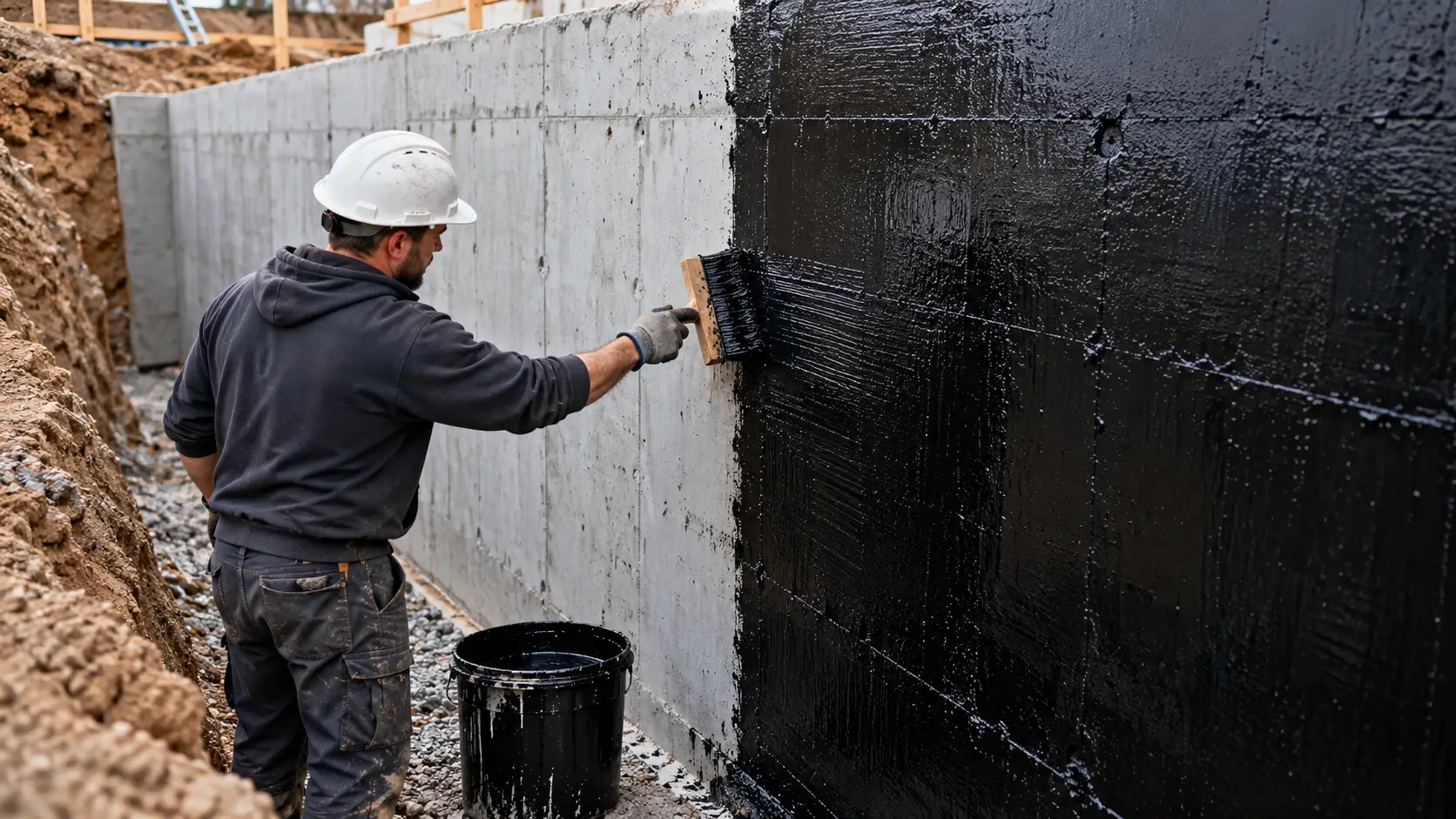
The biggest mistake made in waterproofing contracts is treating the concept of "warranty" as a single entity and simply writing "guaranteed for 10 years" into the contract. In a robust legal contract, the material warranty and workmanship warranty must be separated by distinct lines. The material warranty is provided by the manufacturer who developed the formula against the insulation product's own chemical degradation, loss of UV resistance, or loss of elasticity. The workmanship warranty, on the other hand, covers human application errors made by the company applying this chemical product to the surface, such as laying faulty layers, wrong primer selection, failing to clean the surface from dirt, or not waiting for sufficient drying time.
Clarifying the boundary between these two vital concepts completely prevents the blame from shifting back and forth between the manufacturing factory and the on-site applicator in the event of a potential water leak in the future. You can clearly see the basic parameters of these two different warranty types in the table below:
| Comparison Criteria | Material Warranty | Workmanship Warranty |
| Legally Responsible Party | The manufacturing factory or distributor brand | The waterproofing company performing the on-site application |
| Covered Faults | Production-related chemical degradation, formula error | Incorrect consumption, missing layers, faulty surface preparation |
| Duration | Maximum chemical lifespan determined by the manufacturer | The commitment period mutually agreed upon in the contract |
| Solution Method | Replacing the defective product amount with a new one | Repairing the leaking area with free workmanship |
By adding a special clause to your contract stating that the assessment in case of a problem will be made by an impartial, independent expert, you can instantly determine whether the fault lies in the material or the workmanship.
Which Situations Are Covered by Warranty and Which Are Excluded?
Defining the warranty limits with extreme transparency in contracts ends legal disputes between the parties before they even begin. Instead of open-ended and unrealistic statements like "unconditionally guaranteed against all water leaks," a detailed risk and scope map must be drawn up. The self-deterioration of the insulation layer, spontaneous cracking, or blistering from the surface is indisputably the responsibility of the contractor company. However, certain extreme external factors or end-user errors that the structure will be exposed to completely absolve the company of responsibility.
You can draw the boundaries of responsibility by adding strict and clear clauses to your contract as follows:
Situations Covered by the Warranty:
- The material failing to adhere to the concrete surface and causing regional blistering
- Leaks originating from missing, thin, or perforated layers left during application
- Leaks occurring as a result of faulty insulation at corner turns, chamfer points, and water drain details
- The material losing its promised elasticity prematurely, becoming brittle, and tearing
Situations Excluded from the Warranty Coverage:
- Massive structural cracks resulting from the building's static movements, earthquake tremors, or foundation settlement
- Mechanical interventions (drilling holes, breaking tiles, hammering nails) made later by building residents on the insulation
- Using the surface outside its intended purpose (For example, turning a terrace insulation closed to pedestrian traffic into a heavy goods storage area)
- Unexpected severe natural disasters, hurricanes, floods, and inundations
Including these clauses in detail in the contract completely eliminates confusion in problems to be experienced.
Quality Standards and Brand Requirements of the Materials to be Used
Merely including the phrase "the highest quality material on the market will be used" in the contract draft holds absolutely no legal meaning. Which brand's specific product series will be applied, with how many kilograms of consumption per square meter, and the packaging amount must be written down to the exact detail. It must be strictly stipulated that the products to be used possess TSE, CE, and internationally valid ISO quality certificates. Otherwise, the applicator company can easily resort to using uncertified, substandard products with a short chemical lifespan to increase their profit margin.
The brand and technical chemical properties of the material must be chosen at a high capacity to withstand the negative water pressure, intense UV sun rays, and mechanical loads the project will be exposed to. Furthermore, reflecting the primer layer type, intermediate coat waiting times, and final coat full drying times stated in the product's technical data sheet (TDS) exactly in the application must be strictly secured by the contract. Even the most flawless workmanship in the world applied over a poor-quality material will quickly declare bankruptcy.
To protect your structures against water, moisture, and corrosion for many years and to experience a seamless insulation process, choosing the right product from the very beginning is of paramount importance. Produced in laboratories with high technology and demonstrating superior performance even in harsh weather conditions, Dryfix waterproofing products offer innovative and permanent solutions for your projects. If you want to leave nothing to chance for your building and apply insulation with reliable formulas possessing international standards, make sure to add the Dryfix brand to your contract and experience the power of professional protection in your projects immediately!
Distribution of Responsibility Between the Manufacturer and the Applicator Company
The biggest bottleneck encountered in solving problems that emerge months or years after insulation applications is the manufacturer brand and the applicator company constantly blaming each other. Breaking the chain of responsibility between this duo during the contract phase prevents you from experiencing unnecessary grievances. The applicator company is obligated to store the material brought to the site in weather conditions complying with the technical standards set by the manufacturer, mix it at the correct speed, and apply it flawlessly. Incorrect mixing ratios, wrong roller selection, or applying to a damp surface are entirely under the legal responsibility of the applicator.
Including the principle of "Joint and Several Liability" or a single contact person requirement in your contract is an excellent legal strategy. This way, in the event of a water leak, you can find a single point of contact directly in front of you without wasting time researching whether it is a material fault or a workmanship fault, or emailing factories. The applicator company must be obliged to solve the problem immediately, and if the fault truly originates from production, the applicator company must claim that damage from the manufacturer through their own lawyers.
As a customer, your sole point of contact under all circumstances must be the contractor company that performs the application, undertakes the workmanship, and issues the invoice. The clause to be added to the contract, "In any insulation weakness that occurs during the warranty period, the contractor company must arrive on-site within 48 hours and intervene free of charge, regardless of the source of the fault," prevents the ball from constantly being kicked out of bounds. All legal loopholes in the resolution process must be completely eliminated with such sharp, clear, and binding statements.