


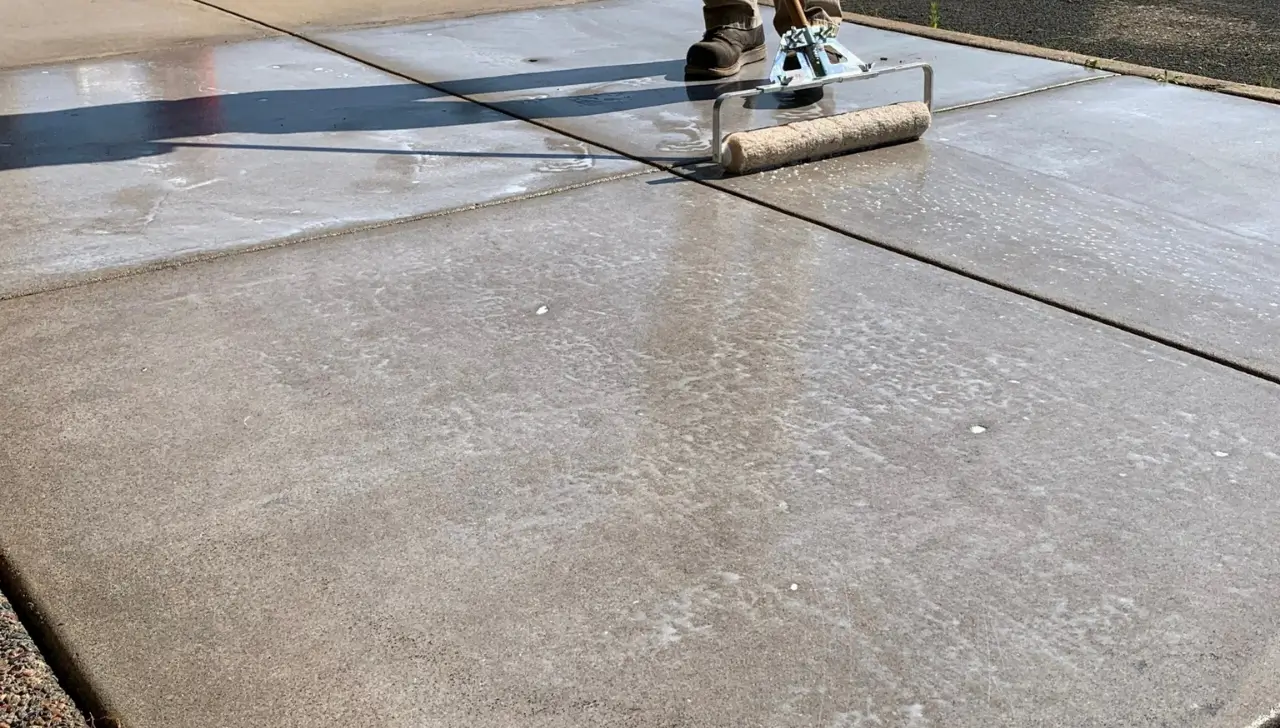
Concrete is one of the fundamental building blocks of the construction industry; however, it is a porous material that can become vulnerable to external factors over time if left in its natural state. Although it looks extremely solid and smooth when first poured, daily use, pedestrian traffic, vehicle tires, chemical spills, and humidity cause wear, staining, and dusting on the concrete surface. This is exactly where "concrete sealer" (or concrete protector/curing agent) comes into play, giving raw concrete surfaces a flawless aesthetic appearance while also protecting the material's structural integrity and creating a strong shield against external influences.
Concrete sealer application is frequently preferred today not only for the purpose of protecting industrial floors but also as a decorative element in modern architecture. The sealer penetrates the pores of the concrete to harden the surface or creates a protective film layer on the surface, preventing water, oil, and other contaminants from seeping into the concrete. This process, which can completely change the atmosphere of the space with glossy, semi-glossy, or matte finish options, maximizes the potential of concrete floors. In this comprehensive guide, we will examine the functions, advantages, and usage details of concrete sealer in depth.
Dryfix Betolac, with its single-component aliphatic polyurethane structure, provides your concrete surfaces with high mechanical strength and superior UV resistance. Thanks to its special formula, it adds an aesthetic wet look to the floor while reducing your maintenance costs by providing full protection against water, stains, and dusting. It is the ideal choice for those looking for a long-lasting and stylish solution in every area, from terraces to industrial floors.
1. Why is Concrete Sealer Used?
The most fundamental reason for using concrete sealer is to eliminate the weaknesses arising from the natural structure of concrete and to insulate the surface against external factors. Concrete is a structure with spongy and microscopic pores. When these pores are left open, any liquid spilled (water, motor oil, acidic beverages, or industrial chemicals) is quickly absorbed from the surface. This leads not only to the formation of stubborn stains but also to structural cracks as a result of the liquid freezing or reacting within the concrete. Concrete sealer prevents liquids from seeping in by filling these pores or coating them.
The second important reason is to prevent the "dusting" problem. Bare concrete floors are subjected to friction over time due to activity (pedestrian or vehicle traffic), and the top layer of the concrete wears down, creating a constant cloud of dust. Especially in indoor parking lots, warehouses, and factories, this dusting increases cleaning costs and threatens employee health by reducing the quality of the air breathed. Concrete sealer binds the particles on the surface, stops wear, and solves the dusting problem at the root.
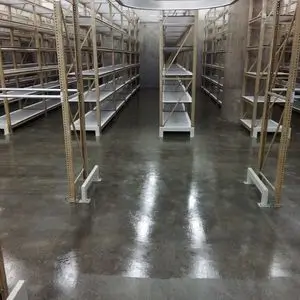
Finally, concrete sealer is used for aesthetic purposes. An untreated, dull, and lifeless concrete floor turns into a bright, light-reflecting, and highly stylish surface thanks to the sealer application. Increased light reflection makes spaces look brighter while also contributing to energy savings. UV-protected sealers are also preferred for decorative floors to maintain the vibrancy of colored or stamped concrete applications and to prevent fading of colors.
2. What are the Main Advantages Provided by Concrete Sealer?
Choosing concrete sealer for floors brings many functional and economic benefits. For businesses and homeowners, the main advantages of this application are as follows:
- Superior Durability and Wear Resistance: The sealer increases the surface hardness of the concrete, creating an extra layer of resistance against scratches, impacts, and the wear created by heavy traffic. It preserves the surface form even in areas where heavy machinery operates.
- Easy Cleaning and Maintenance: A sealed surface becomes completely smooth. Since the pores are closed, dirt, mud, or oil cannot hold onto the surface. The floor easily regains its first-day cleanliness with just a standard mop and a neutral cleaner.
- Long-Term Cost Savings: Since it prevents the floor from being damaged, it prevents expensive concrete repairs or re-flooring processes that may arise in the future. It also saves labor costs by shortening daily cleaning times.
- Lighting Efficiency: Glossy concrete sealers have the feature of reflecting natural and artificial light in the environment. In this way, the same brightness level can be achieved in large areas using fewer lighting fixtures.
- Stain and Chemical Resistance: While oils dripping from vehicles in parking lots or chemical spills in industrial facilities leave permanent damage on unsealed concrete, they can be cleaned on sealed surfaces without leaving a trace using just a cloth.
3. The Life-Extending Effect of Using Concrete Sealer on Floors
The lifespan of a concrete floor is directly related to how well its surface is protected. The life-extending effect of using concrete sealer on floors stems from its ability to stop the structural degradation processes of the material. Imagine a concrete floor outdoors; rainwater or snowmelt enters through the pores of the concrete. When the air temperature drops below zero, this water inside freezes and expands, creating micro-pressures within the concrete. This physical phenomenon, known as the "freeze-thaw" cycle, leads to the surface of the concrete flaking and peeling over time, causing deep cracks. Concrete sealers with water-repellent properties completely eliminate this destructive cycle by preventing water from entering.
Indoors, the main element threatening the life of concrete is friction and chemical wear. Especially the wheels of heavy industrial vehicles such as forklifts and pallet trucks create significant damage on the concrete surface over time. Lithium or sodium silicate-based penetrating sealers enter into a chemical reaction with the free lime in the concrete to form calcium silicate hydrate (CSH) crystals. This reaction hardens the concrete not only on the surface but also millimeters deep into the top layer.
Thus, the concrete floor reaches a much higher pressure and friction resistance compared to normal concrete. Since the formation of cracks is prevented, water and chemical entry is not allowed, and surface strength is increased, the life of a sealed concrete floor can be decades longer compared to raw concrete. This also contributes greatly to the general sustainability of the structure.
4. In Which Areas is Concrete Sealer Used?
The usage areas of concrete sealer have spread to a very wide range thanks to the versatility of the material. This application, which can meet the specific needs of different sectors and living spaces, finds its place in both demanding industrial conditions and stylish decorative spaces.
Industrial and Commercial Facilities: Logistics warehouses, manufacturing factories, and hangars are among the areas where concrete sealer is used most intensively. Protecting the floor against heavy machine traffic, chemical spills, and high wear is of vital importance for these facilities. At the same time, the sealing process is applied in large indoor parking lots to reduce the noise made by vehicle tires, clean oil spills, and save on lighting. Shopping malls, supermarkets, and retail stores prefer concrete sealer to create floors that are durable against heavy pedestrian traffic, easy to clean, and visually appealing.
Public Spaces and Health Institutions: In public spaces where hygiene and cleanliness are at the forefront, such as hospitals, schools, and airports, a seamless and non-porous floor structure is desired. Since it closes the cracks or pores where bacteria can harbor, concrete sealer provides both a sterile environment and a long-lasting floor solution in such places.
Residential and Decorative Applications: With the rise of industrial design trends in recent years, bare concrete floors have become quite popular in homes, loft apartments, restaurants, and cafes. Decorative concrete sealers used on living room, kitchen, or terrace floors add a modern, rustic, and sophisticated touch to the space, visually enriching living areas.
5. What are the Types of Concrete Sealer?
Different floors need different levels of protection. Therefore, there are various concrete sealers on the market formulated according to the purpose of use, the characteristics of the space, and the budget. Choosing a sealer is a critical step that directly affects the lifespan of the floor. You can examine the most commonly used concrete sealer types and their basic features in the table below:
| Sealer Type | Basic Features | Ideal Usage Areas |
| Acrylic Sealers | Dries quickly, easy to apply, and is an economical option. Has forms resistant to UV rays, so it does not yellow. Creates a thin film layer on the surface. | Indoor and outdoor spaces, decorative floors with light pedestrian traffic, stamped concrete paths, terraces. |
| Polyurethane Sealers | Much thicker than acrylics. Shows high resistance to scratches, wear, and staining. Provides a glossy and smooth finish. Due to its flexible structure, it tolerates micro-movements on the surface. | Commercial areas with heavy pedestrian and light vehicle traffic, shopping malls, restaurants, offices. |
| Epoxy-Based Sealers | The type of coating with the highest mechanical strength and chemical resistance. Forms a thick, hard, and very durable armor on the surface. Its disadvantage is that it is sensitive to UV rays and may yellow over time. | Factories, heavy industrial facilities, logistics warehouses, chemical laboratories, indoor parking lots. |
| Silicate (Penetrating) Sealers | Does not leave a film layer on the surface, it penetrates directly into the concrete and enters a chemical reaction. Increases the concrete's own hardness. Ideal for those looking for a natural, matte, or polished concrete look. Never peels or flakes. | Polished concrete applications, industrial floors, garages, any type of indoor and outdoor space where longevity is expected. |
The types of chemicals your floor will be exposed to, the intensity of vehicle traffic, and the aesthetic look you expect will help you make the right decision among the options in this table.
6. What is the Drying and Curing Time of Concrete Sealer?
When the floor can be opened for use after concrete sealer application is one of the most important questions affecting the calendar of the applied project. At this point, it is necessary to distinguish between the concepts of "drying" and "curing". Drying is the state where the solvents (water or solvent) in the sealer evaporate and the surface becomes non-sticky enough to be touched. Curing is the process of the sealer completely finishing the chemical reaction within itself and reaching the maximum hardness and chemical resistance it promises.
As a general rule, water-based acrylic sealers dry very quickly. They reach touch-dry in about 2 to 4 hours and can usually be opened to light pedestrian traffic after 12 to 24 hours. However, these times are longer for polyurethane and especially epoxy-based sealers. For these heavy-duty products, it is generally necessary to wait 24 to 48 hours for pedestrian traffic. For opening to vehicle traffic or placing heavy furniture/machinery on the floor, it must definitely be waited for the sealer to fully harden.
The full curing time of a concrete sealer depends on the type of product, but it can take up to 7 days as a standard. In this process, air temperature and ambient humidity are extremely effective. While drying and curing times are prolonged in cold and high-humidity environments, this process accelerates in hot and well-ventilated environments. Exposing the floor to water or using chemical cleaners before full curing is complete can disrupt the structure of the sealer, causing hazing or loss of adhesion on the surface. Therefore, strictly following the time patterns in the technical data sheet specified by the manufacturer will ensure that floor performance is at the highest level.