


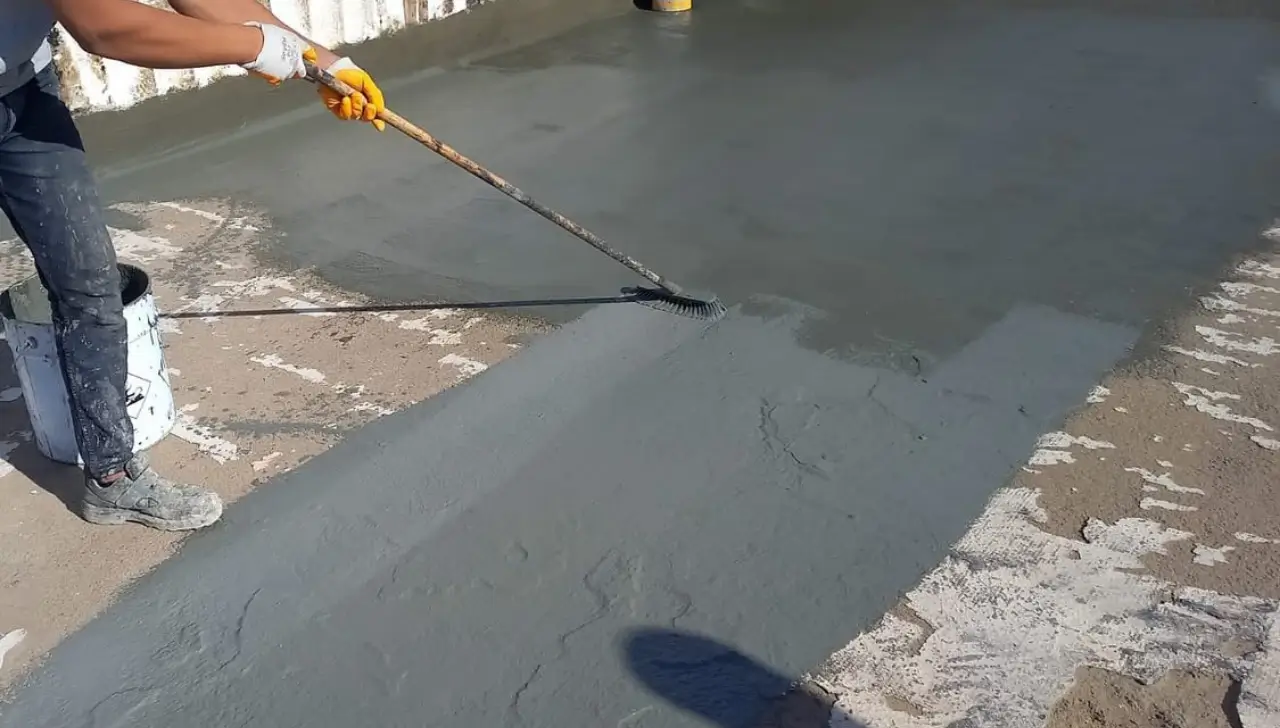
The most critical factors determining the durability, safety, and lifespan of buildings in the construction sector are the measures taken against water and moisture. Even a small, invisible leak can lead to the rusting (corrosion) of reinforcements within the concrete over time, compromising the structural integrity of the concrete and, ultimately, weakening the building's load-bearing system. The exposure of structures to the destructive effects of water from their foundations to their roofs has driven civil engineers to develop various waterproofing methods for centuries. While surface-applied bitumens, membranes, or elastic coatings have been used for a long time, one of the most advanced and permanent points reached by construction chemical technology today is crystallized waterproofing. Unlike traditional methods that only create a temporary physical barrier against external water on the surface, this innovative system integrates in complete harmony with the nature of the concrete, permanently removing water as a structural threat.
Crystallized waterproofing is an advanced insulation technology that, in its basic logic, penetrates deep into the concrete through capillary paths and creates needle-like, water-insoluble crystals whenever it comes into contact with water, entering into a unique chemical reaction. These microscopic crystals completely fill the capillary voids, shrinkage cracks, and pores inherent in the nature of the concrete, effectively locking the passage of water from both directions. It provides a flawless and unique protective shield against not only external rainwater or groundwater but also strong negative-direction water pressure that may arise from inside the structure or due to high groundwater levels. Below, we will examine in full detail what crystallized waterproofing is, how it breathes life into buildings, and how it ensures structural safety.
1. How Does Crystallized Waterproofing Work?
The working principle of crystallized waterproofing is based on the concrete using its own chemical structure and the moisture within it like a massive chemical reactor. When applied, the proprietary and active chemical components within the insulation material react violently with the water in the concrete's capillary voids and the free lime (calcium hydroxide) released after the concrete's hydration process. As a result of this catalytic reaction, needle-like calcium silicate hydrate crystals, which progress centimeters deep into the concrete and are absolutely insoluble in water, begin to form. This dense crystal network completely clogs all microscopic paths through which water molecules and harmful chemicals that cause corrosion, such as sulfates and chlorides carried by water, can pass.
The most striking and revolutionary feature of this unique system is that it possesses a dynamic structure that lasts a lifetime rather than a static one. These smart chemicals, which continue to remain active within the tissue of the concrete throughout its lifespan, enter a standby (sleep) mode when environmental conditions dry out and the water threat disappears. However, even years or decades later, if a new micro-crack forms in the building due to an earthquake or settlement and water starts leaking in through this crack again, the dormant chemicals instantly detect the moisture and re-trigger the reaction. It automatically and physically repairs the crack by producing new crystals and cuts off water ingress once again.
Another vital working principle that technology provides to buildings is the "breathability" capability. While the crystallized structure absolutely prevents the passage of water molecules in liquid form through the concrete, it leaves a void that allows the passage of air and water vapor molecules in gaseous form due to its structure. This ensures that the concrete structure breathes in a healthy way, preventing dampness, mold, and condensation in closed interior spaces; thus, it guarantees that the structure remains both structurally sound and comfortable for use for many long years.

Dryfix Crystallize waterproofing material protects your structures against water for a lifetime by penetrating deep into the concrete and creating an impenetrable crystal network through chemical reaction. This technology, which challenges even difficult water floods coming from the negative direction, ensures absolute sealing in risky areas such as water tanks, basements, and elevator shafts by self-clogging the capillary cracks of the concrete. Extend the life of your building and enjoy the comfort of a permanent solution in waterproofing with Dryfix, which stands out with its environmentally friendly structure and ease of application.
2. What are the Greatest Advantages of Crystallized Waterproofing?
Crystallized waterproofing has become an indispensable standard for modern and safe construction projects with the unique, long-lasting, and technological features it offers. Unlike traditional surface coatings, the fact that it becomes an inseparable part of the concrete makes this method superior to its competitors in many respects. We can list the biggest advantages it provides to structures, contractors, and end-users as follows:
- Ömür Boyu Kalıcı Koruma: Yüzeye sürülen, yapıştırılan sıradan yalıtım malzemeleri (membran vb.) zamanla dış etkenlerle aşınır, delinir, yırtılır veya yaşlanarak soyulurken; kristalize sistemler doğrudan betonun iç dokusuna işlediği için yapının ömrü ne kadarsa o süre boyunca kalıcı su yalıtımı sağlamaya devam eder. Yırtılma veya delinme riski yoktur.
- Kendini Onarma (Self-Healing) Kapasitesi: Binanın oturması, termal genleşmeler veya hafif sarsıntılar nedeniyle betonda sonradan oluşabilecek 0.4 mm'ye kadar olan kılcal çatlakları, suyla ilk temasında algılayıp yeniden kristal üreterek kendi kendine kapatır. Bu özellik onarım maliyetlerini sıfıra indirir.
- Negatif ve Pozitif Yönden Uygulama Özgürlüğü: Suyun betona temas ettiği dış yüzeyden (pozitif basınç) uygulanabildiği gibi, özellikle müdahalesi zor olan bodrum katlarında suyun geldiği yönün tam tersi olan iç yüzeyden (negatif basınç) de son derece yüksek hidrostatik basınçlar altında bile güvenle uygulanabilir.
- İnşaat Süresini ve Maliyetini Düşürme: Geleneksel yalıtımların yapılması için betonun tamamen kuruması ve haftalarca beklenmesi gerekirken, kristalize malzemeler beton henüz ıslak veya nemliyken uygulanabilir. Bu da projelerin hızlanmasını sağlar, işçilik ve zaman maliyetlerinden büyük tasarruf ettirir.
- Çevre Dostu, Temiz ve Güvenli İçerik: Uçucu organik bileşenler (VOC) ve toksik madde içermediği için insan sağlığına zararsızdır. İçme suyu depolarında, şebeke suyu hatlarında güvenle kullanılabilir. Çevreye zarar vermeyen yeşil bina konseptlerine tam uyum sağlar.
3. Crystallized Waterproofing: In Which Areas Is It Used?
Crystallized waterproofing systems have a very wide range of uses in almost every field of the construction industry thanks to their resistant structures capable of withstanding high water pressure and their long-lasting performance that ages together with the structure. Especially in very difficult field conditions where excavation from the outside is impossible, or where traditional insulation materials are insufficient or cannot be applied, this technology stands out as the most reliable solution for engineers. Gigantic building foundations, deep basement curtains, elevator shafts, and retaining walls built in areas where the groundwater level is high and water pressure is felt intensely are among the leading areas where this insulation is used most intensively to ensure permanent safety.
In addition, it also plays a leading role in protecting critical structures that are in direct and constant contact with water throughout their lives due to their design purpose. In structures constantly exposed to liquid such as Olympic swimming pools, massive drinking water tanks, wastewater treatment plants containing aggressive chemicals, water cisterns, and water canals, it saves money by preventing water leakage and extends the life of the concrete by protecting the reinforcements. The fact that it does not leave a toxic residue has made it a material preferred as a legal standard in drinking water tanks. Furthermore, it forms the most effective and unshakeable line of defense against corrosion in massive infrastructure projects where water leakage could lead to disaster, such as dams, hydroelectric power plants, metro stations extending for kilometers underground, multi-story underground parking lots, highway tunnels, and bridge piers. It offers flexible usage opportunities both by being added to the new concrete mix as a liquid/powder additive (admix) and by being applied to the surface with a brush on existing old structures.
4. What Is the Difference from Other Waterproofing Methods?
There are many alternative methods used in the market to prevent water from entering structures, such as PVC/EPDM membranes, bitumen-based applied insulations, or polyurethane-based elastic coatings. However, the most fundamental philosophical and physical difference that separates crystallized insulation from all other methods is that instead of creating a "cover or layer" on the surface that is open to external factors, it integrates chemically into the concrete and turns it into a waterproof mass. You can clearly see the differences in the table below:
| Comparison Criterion | Crystallized Waterproofing (Internal) | Bitumen/Membrane Based (Surface) | Polyurethane Coatings (Flexible) |
| Working Principle | Penetrates into the concrete and creates a water-insoluble crystal network in the internal structure. | Creates a waterproof, thick, and external cover/barrier on the concrete surface. | Adheres to the surface and builds a seamless, rubber-like elastic film layer. |
| Application Direction Flexibility | Can be applied from both positive (from outside) and negative (from inside) pressure directions. | Can only be applied from the positive (outer surface where water comes from) direction. | Generally applied from the positive direction; its resistance to negative pressure is very weak. |
| Usage and Service Life | Equivalent to the life of the concrete itself (ages with the building, is permanent). | Average of 10-20 years depending on material quality, wears out over time. | Lasts between 15-25 years depending on environmental factors (sun, heat). |
| Crack Bridging Ability | Automatically repairs capillary cracks physically by re-reacting. | Covers small cracks thanks to the flexibility of the material but does not repair the crack. | Adapts to moving cracks in the building thanks to its very high elasticity. |
| Vapor Permeability (Breathing) | Fully allows the concrete to breathe (prevents condensation and mold indoors). | Vapor permeability is extremely low or non-existent depending on its structure. | Generally very low, although it varies depending on the type of polyurethane material. |
| Ground Moisture Requirement | The concrete surface must be wet or damp for application. | It is required that the concrete be completely dry and moisture-free for application. | The surface must be dry before application and a special primer must be used. |
While traditionally used insulation materials in the construction sector act as an external and physical shield on the concrete surface, these shields carry the risk of puncturing, tearing, and separation over time due to the sun's UV rays, the pressure of stones in the soil, or ground movements. However, since crystallized technology merges with concrete at a chemical level and forms an inseparable integrated structure, it is completely immune to external mechanical damage, punctures, and abrasion. This feature makes it the most economical, definitive, and engineering marvel solution not only in times of trouble but also in long-term infrastructure projects.