


In waterproofing technologies that extend the lifespan of buildings, polyurea stands out with its exceptional elasticity and rapid curing time. Anyone who has dealt with water leaks knows that choosing the wrong material ruins a building's peace of mind. Used across a wide range of applications—from roofs and terraces to basements and industrial floors—this spray-applied coating material offers distinct advantages over traditional methods. However, ordering this material from a local hardware store and applying it to a roof isn't as simple as it sounds. Finding the right supply channel is the first and most vital step of any project. Although there are numerous chemical suppliers on the market, sourcing pure, high-quality polyurea components requires thorough research. Property owners and contractors embarking on insulation projects naturally wonder where these materials can be safely purchased.
The two-component nature of the material, its sensitivity during chemical reaction, and the requirement for specialized equipment naturally restrict its distribution channels. It is nothing like standard waterproofing paints sold in ready-to-use buckets at local hardware stores. You can source these coating products directly through manufacturing plants, specialized construction chemical distributors, or specialized suppliers located in major industrial zones. Failing to find the right distributor can drain your budget and leave you with a faulty application that underperforms. A wide array of resin and isocyanate formulations developed by both local manufacturers and international brands exists on the market. Ultimately, a successful waterproofing process relies on connecting with a reliable supplier who can deliver the exact chemical formulation your project needs right on time.

Where to Buy Polyurea Waterproofing Materials?
The first stop for anyone considering spray waterproofing is usually large-scale construction chemical suppliers. Your chances of finding this product at a neighborhood hardware store are extremely low. Supplied in two separate drums as liquid polyurethane and polyetheramine-based chemicals, these products cannot simply be shuffled around across various climates or left sitting in warehouses indefinitely. Freshness and climate-controlled storage are absolute musts. For this reason, direct sales departments of chemical manufacturers or regional main dealers are preferred. Reaching out to corporate manufacturers via online channels allows you to directly control delivery times and packaging freshness. On larger projects, opting for direct factory shipments can streamline logistics significantly.
Other physical locations where you can inspect and acquire the material are specialized insulation supply centers in industrial districts. These hubs offer a much wider selection of products. Their sales representatives possess technical expertise regarding chemical reaction times and surface preparation. Major distributors operating in the insulation sector arrange drum deliveries right to your job site using climate-controlled transport. Sourcing auxiliary chemicals like primers, solvent-free epoxies, or protective polyurethane topcoats from the same vendor saves valuable time. When purchasing, it is essential to ask whether the vendor provides technical support; having access to a technical expert during an unexpected reaction on site can save the entire job.
Authorized Dealers and Construction Chemical Distributors
Purchasing through authorized dealers eliminates the risk of counterfeit or expired products. Substandard coatings produced off-spec or with altered formulas tend to crack and leak water just months after application. Official distributors, on the other hand, provide comprehensive Technical Data Sheets (TDS) and Material Safety Data Sheets (MSDS). Regional dealerships in major cities keep sufficient stock to respond quickly to urgent site demands. Another distinct advantage of buying through authorized channels is receiving genuine raw materials backed by warranty. Sourcing from a dealer's climate-controlled warehouse is critical to keeping the chemical viscosity stable and preserving reaction balance.
Distributor networks do more than just supply raw materials; they offer tailored guidance on product selection for specific projects. For instance, the chemical formulation required for underground tunnel waterproofing differs significantly from that needed for exposed terrace waterproofing. Specialists at the dealership help identify whether you need a high-UV-resistant topcoat or a system with a higher elongation coefficient. Regional main distributors frequently offer project-based custom pricing, allowing for better budget optimization. Some distributors also offer warehousing services for applicators who prefer taking deliveries in batches, preventing clutter and material degradation on site. Professional applicators almost always prefer working with contracted main dealers.
An established authority in waterproofing, Dryfix offers an extensive supply network backed by its advanced polyurea solutions. Available through authorized dealers, Dryfix Polyurea CO is widely chosen for demanding floor projects that require superior elasticity and abrasion resistance. During surface preparation, Dryfix Polyurea PR primer enhances surface adhesion, ensuring the system bonds permanently to the substrate. For projects seeking an optimal balance between budget and performance, Dryfix Hybrid Polyurea stands out as another robust alternative available in distributor stocks. Sourcing this product range from an authorized Dryfix dealer guarantees seamless, long-lasting waterproofing for any project.
Wholesale and Retail Polyurea Supply Points
Bulk polyurea purchases are typically made for large-scale projects such as industrial factory roofs, parking decks, or dam linings. Buying by the drum in bulk significantly lowers unit prices. Wholesale procurement is handled directly through manufacturer sales centers or wholesale divisions of major building supply networks. Retail purchasing, however, is quite limited in this domain because spray polyurea is sold in two-component sets (Part A and Part B), typically packaged in heavy drum sets weighing around 400 to 450 kilograms. Finding smaller packaging sizes for small-scale jobs can be challenging, though specialized retail vendors occasionally stock smaller hybrid sets or manually applicable mini kits.
Accurately analyzing differences among supply points is crucial to managing project budgets. When comparing retail and wholesale suppliers, factors like delivery timelines, Minimum Order Quantities (MOQ), and unit costs must be evaluated. The table below outlines the primary features of various supply channels:
| Supply Channel | Minimum Purchase | Price Advantage | Delivery Speed |
| Direct Manufacturer | Wholesale (Set/Pallet) | Very High | Subject to Order Lead Time |
| Regional Distributor | Wholesale/Single Set | High | Fast (From Stock) |
| Retail Specialty Vendor | Small Sets | Moderate | Immediate Delivery |
Calculating exact square footage prior to placing an order prevents over-stocking or material shortages on site. Large job sites can minimize overall logistics expenses by leveraging bulk purchasing.
Where to Source Polyurea Spray Equipment and Application Machinery?
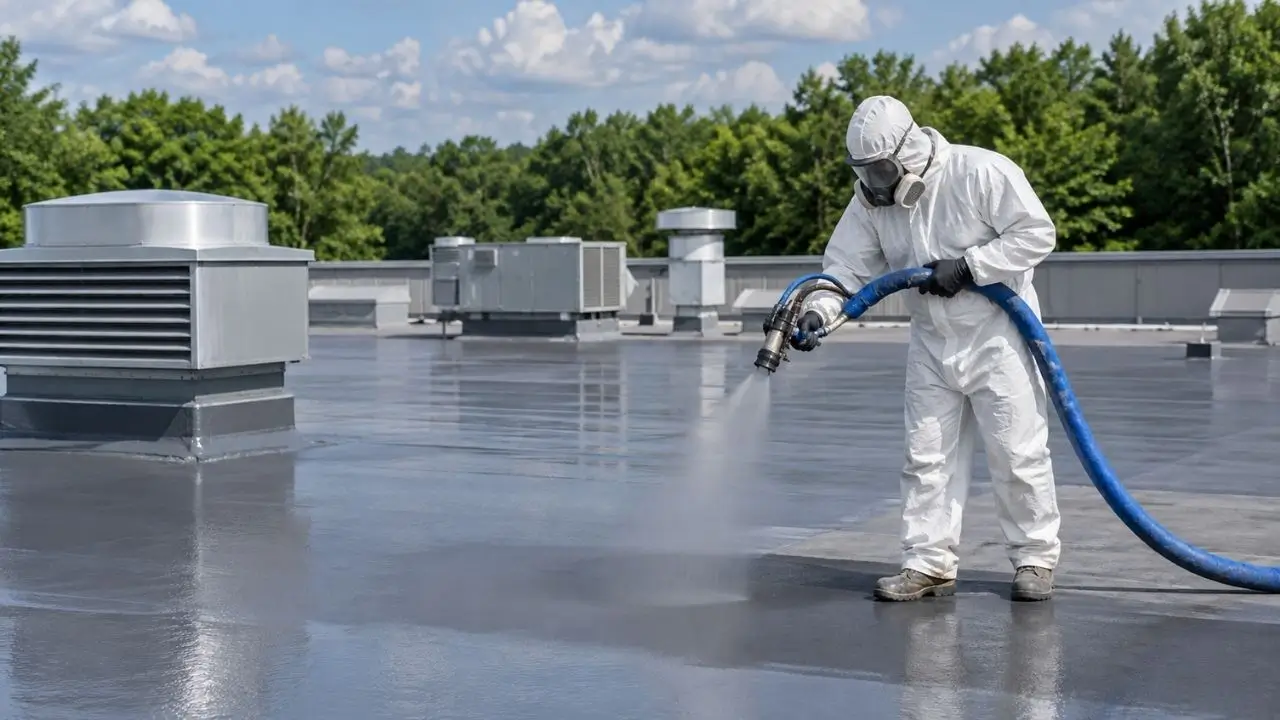
Purchasing polyurea spray chemicals alone does not complete a waterproofing job; applying the material requires specialized high-pressure hydraulic or pneumatic spray machines. These specialized units cannot be found in standard hardware stores. Machinery procurement is typically arranged through spray equipment manufacturers or authorized distributors of fluid application equipment. Heated hoses, high-pressure spray guns, and transfer pumps are likewise sourced from these specialized vendors. For short-term projects, some contractors opt for machine rental options rather than buying outright, while a pre-owned machinery market is also maintained by trusted industrial suppliers.
Acquiring machinery involves more than just purchasing the unit itself; reliable after-sales service and spare parts support are crucial. A clogged gun or a failed heater element mid-project can bring an entire job site to a standstill. Therefore, choosing an equipment supplier with an accessible service network and quick parts delivery is vital. Domestic machine manufacturers have gained significant traction recently due to easy spare parts availability and cost advantages. Equipment suppliers often provide hands-on operator training as well. Sourcing equipment and raw chemicals from the same vendor group or compatible partners eliminates mixing ratio or proportioning issues during spray application.