


Today, one of the fundamental priorities of the building and construction industry is to ensure the utmost safety of life and property against potential disaster scenarios. Fire, the most prominent of these disasters, has the potential to cause irreversible damage to massive structures and human life within a matter of seconds. This is precisely where 'fireproof paints' (fire-retardant or intumescent paints)—a brilliant synthesis of modern engineering and chemical science—come into play. Unlike conventional paints, these specialist coatings do more than merely provide an aesthetic finish or corrosion resistance. By reacting to extreme heat during a fire, they act as an invisible shield that protects the building's load-bearing systems.
By charring and swelling to dozens of times their original thickness during a blaze, these paints create a formidable thermal insulation barrier between the flames and the structural surface.
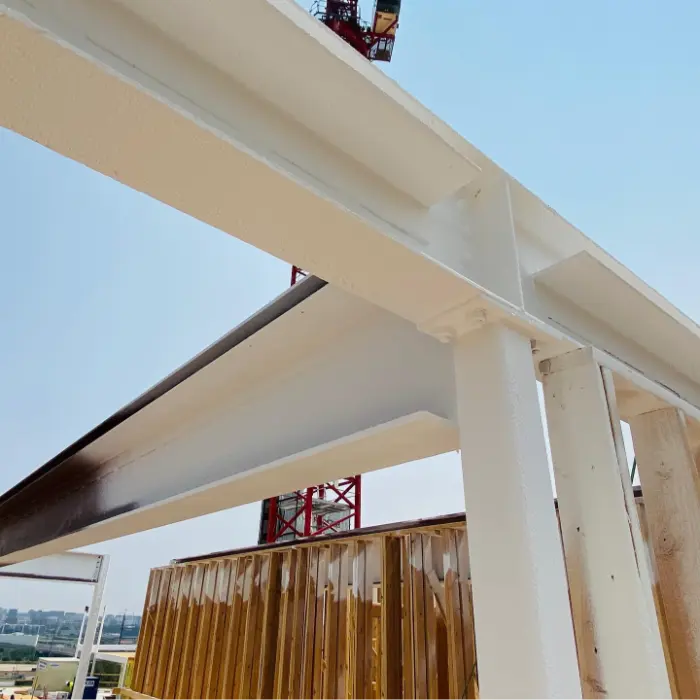
The applications of fire-retardant paints are expanding day by day, driven by technological advancements and the tightening of international fire safety regulations. Today, this innovative safety measure is commonly found not only in massive industrial facilities but also in the homes where we live, the hospitals where we are treated, the schools where we learn, and the transport networks we travel on.
By slowing down the spread of a blaze, fire-retardant paint, fire-retardant solutions, and fire-resistant varnishes buy those crucial 'golden minutes'. These minutes are vital to ensure the safe evacuation of occupants and to allow the fire brigade to intervene effectively, making these products the unsung heroes of modern architecture and passive fire protection. So, looking at it in detail, where exactly and for what critical purposes is this life-saving technology used?
1. Industrial Facilities and Manufacturing Plants
Industrial sites are among the highest-risk areas for fires due to the chemicals they house, machinery operating at intense heat, and extensive power networks.
- Protection of Steel Structures: Although steel is fundamentally a non-combustible material, once it reaches temperatures between 500°C and 600°C, it rapidly loses its load-bearing capacity and structural strength, causing it to buckle. This can lead to the catastrophic collapse of massive factory roofs and building frameworks. By applying fire-retardant paints to steel columns and beams, the time it takes for the steel to reach these critical temperatures during a fire is delayed by hours.
- Chemical and Petrochemical Plants: In areas where flammable and combustible substances are stored or processed, a single spark can trigger massive explosions. Storage tanks, pipelines, and reactor rooms in these facilities are coated with fire-resistant paints to prevent a blaze from spreading to other units.
- Hazardous Material Warehouses: In logistics hubs and chemical waste storage facilities, walls and ceilings are protected with fire-retardant paints to isolate any fire that might start internally or spread from the outside.
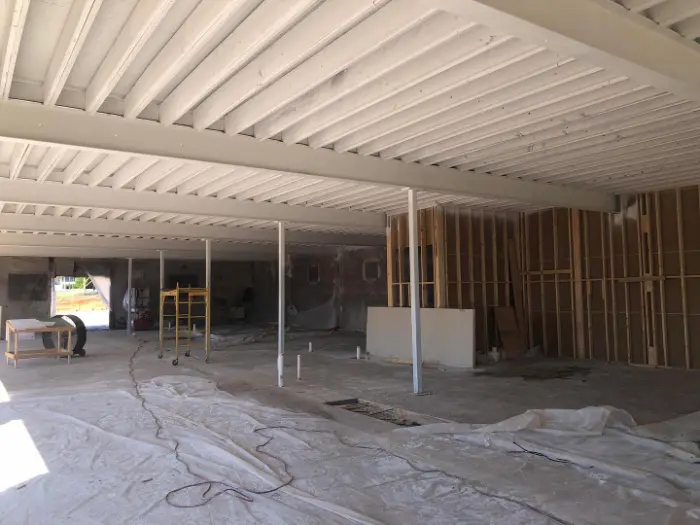
2. Public Buildings and Commercial Complexes
In buildings with a high human density, the evacuation process is always challenging and time-consuming. When the panic factor is added to the mix, maintaining the building's structural integrity becomes vital.
- Shopping Centres and Entertainment Venues: In these buildings, which feature large atriums and complex corridor layouts, preventing the spread of fire between floors is difficult. Steel roof trusses, ventilation ducts, and fire escape stairwells are coated with fire-retardant paints to create safe evacuation corridors.
- Hospitals and Care Homes: Evacuating patients with limited mobility, the elderly, and infants requires extra time. The fire-retardant paints used in hospitals not only block heat but also feature special water-based formulas that keep toxic gas emissions (VOCs) to an absolute minimum.
- Educational Institutions: High-risk areas in schools, universities, and student halls of residence—such as laboratories, boiler rooms, and archive rooms—along with the main student escape routes, are insulated against fire.
3. Residential Properties and Civil Architecture
Today, aesthetic considerations and sustainability goals have led to a resurgence in the popularity of natural materials, such as timber, in residential architecture. However, timber is inherently highly vulnerable to fire.
- Timber-Framed Houses and Restoration Projects: Transparent (varnish-type) fire-retardant coatings are used in the restoration of historic buildings or in modern timber villas. This ensures the natural, warm texture of the timber is preserved while significantly extending the material's ignition time.
- Lofts and Basements: In homes, the places where fires most frequently start and spread fastest are typically timber-framed roofs (lofts) and basements housing boiler rooms. Fire-retardant coatings are becoming a standard application for insulating these areas.
- Cables and Electrical Riser Shafts: A large proportion of residential fires are caused by electrical faults. The interiors of electrical shafts and densely packed cable trays are coated with special flame-retardant paints, stopping the fire from travelling between floors via the cabling.
4. Transport Networks and Infrastructure Projects
Fires occurring within transport infrastructure are among the most difficult to tackle and have the most catastrophic consequences. As enclosed systems lacking open air, they require specialist precautions.
- Road and Railway Tunnels: Vehicle fires in tunnels create an oven effect, causing temperatures to rapidly exceed 1000°C. Heavy-duty fireproof paints and mortars are used to prevent the reinforced concrete structures on tunnel ceilings from suffering thermal shock and spalling (fragmenting) under this intense heat.
- Underground Stations: In subterranean underground stations, both the trains themselves and the station's steel load-bearing systems are protected with fire-resistant coatings.
- Ships and Submarines: There is no escape route from a fire that breaks out in the middle of the sea. Therefore, the partition walls of a ship's engine rooms, fuel tanks, and passenger cabins must be coated with fire-retardant paints meeting strict standards, as required by International Maritime Organization (IMO) regulations.
- Airports and Aircraft Hangars: Passive fire protection is mandatory in airport facilities and massive steel hangars, which house tonnes of jet fuel.
5. The Energy Sector and High-Risk Facilities
Energy generation and distribution inherently involve high pressure, extreme heat, and high voltage.
- Offshore Oil Platforms: In these extreme environments, where the risks of saltwater corrosion and hydrocarbon fires combine, highly durable, epoxy-based intumescent paints are used. These can withstand both rust and massive jet fires.
- Nuclear and Thermal Power Stations: Failure to control a fire in these facilities could lead to a regional or global catastrophe. Reactor buildings, turbine halls, and main control rooms are secured with the highest grade of fireproof paints.
- Electrical Substations: To protect against the risk of explosion and fire in the giant transformers that feed cities' electricity grids, the interiors and exteriors of substation buildings are painted with fire-insulating materials.
Fire-retardant paints are one of the most crucial safety shields that chemistry offers to the built environment. Far beyond being merely an aesthetic topcoat, these products—which swell during a fire and provide thermal insulation through complex chemical reactions—prevent steel from collapsing, timber from turning to ash, and concrete from spalling. In every aspect of life, from our homes to giant oil platforms, they continue to protect our buildings and our lives like an invisible sentinel.